So today’s article is going to be a bit on the lighter side.
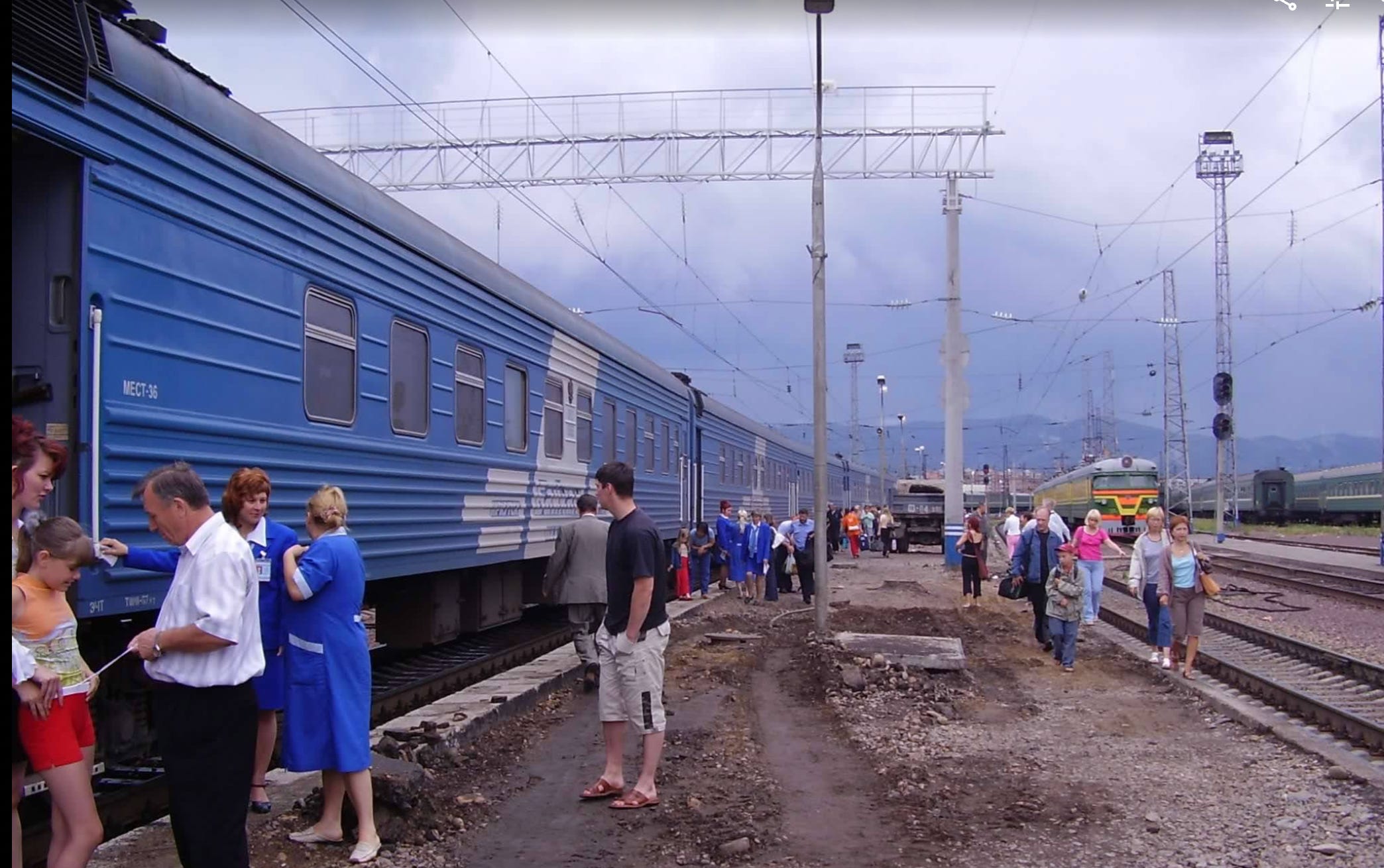
I first experienced Russia when taking a trip on the Trans-Siberian Railway in 2005.
I had a few months offer after finishing my MBA and before starting my consulting job in London so i’d decided to make my way overland all the way from Spain to China.
And a big chunk of that was across Russia by train.
I was fascinated by Russia.
a stop along the train ride across Siberia
For many reasons.
But one of the biggest things for a 28-year old bachelor was it’s women.
The women were gorgeous. Just on a completely different level from what I’d witnessed in the US and in mainland Europe.
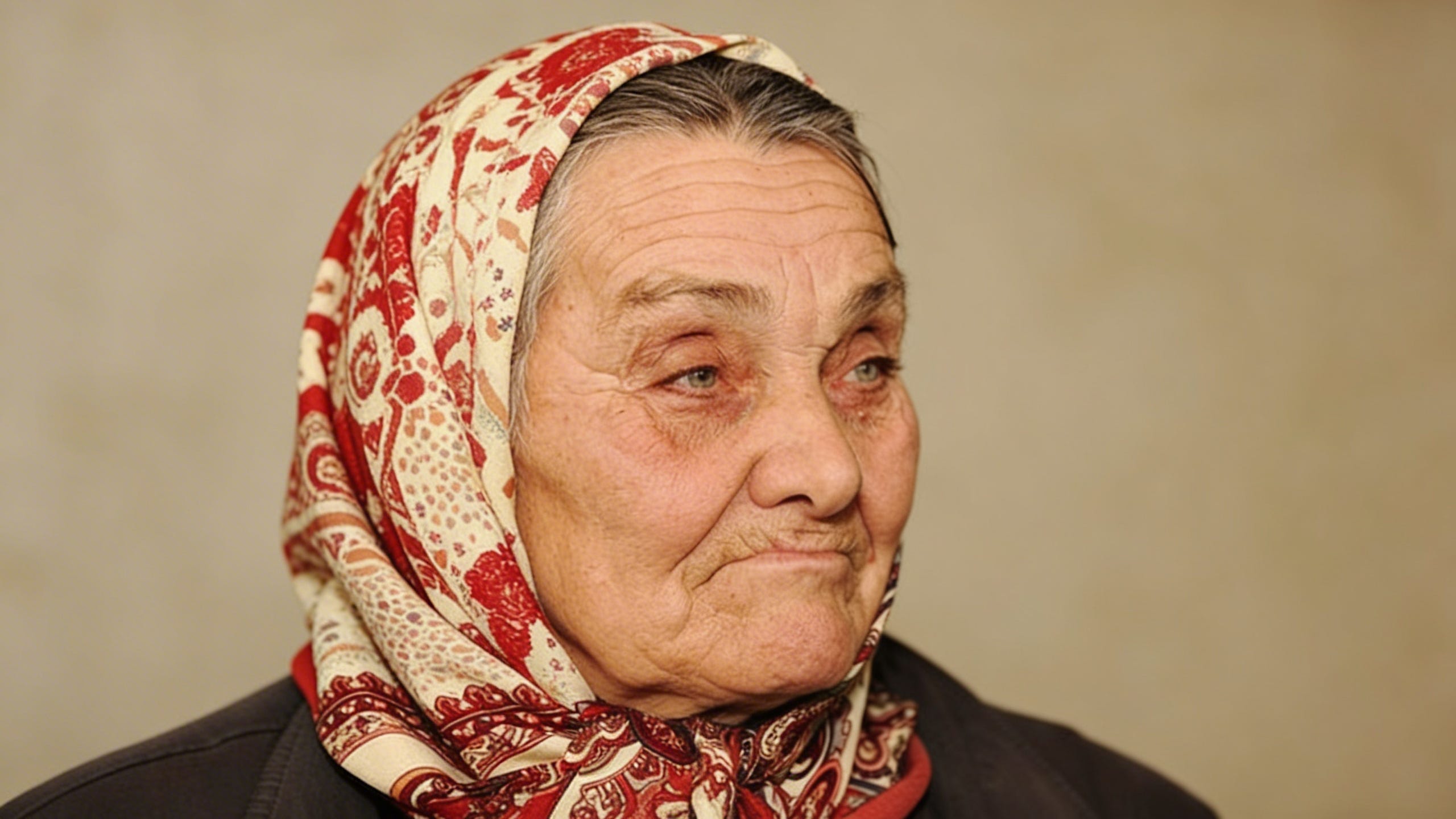
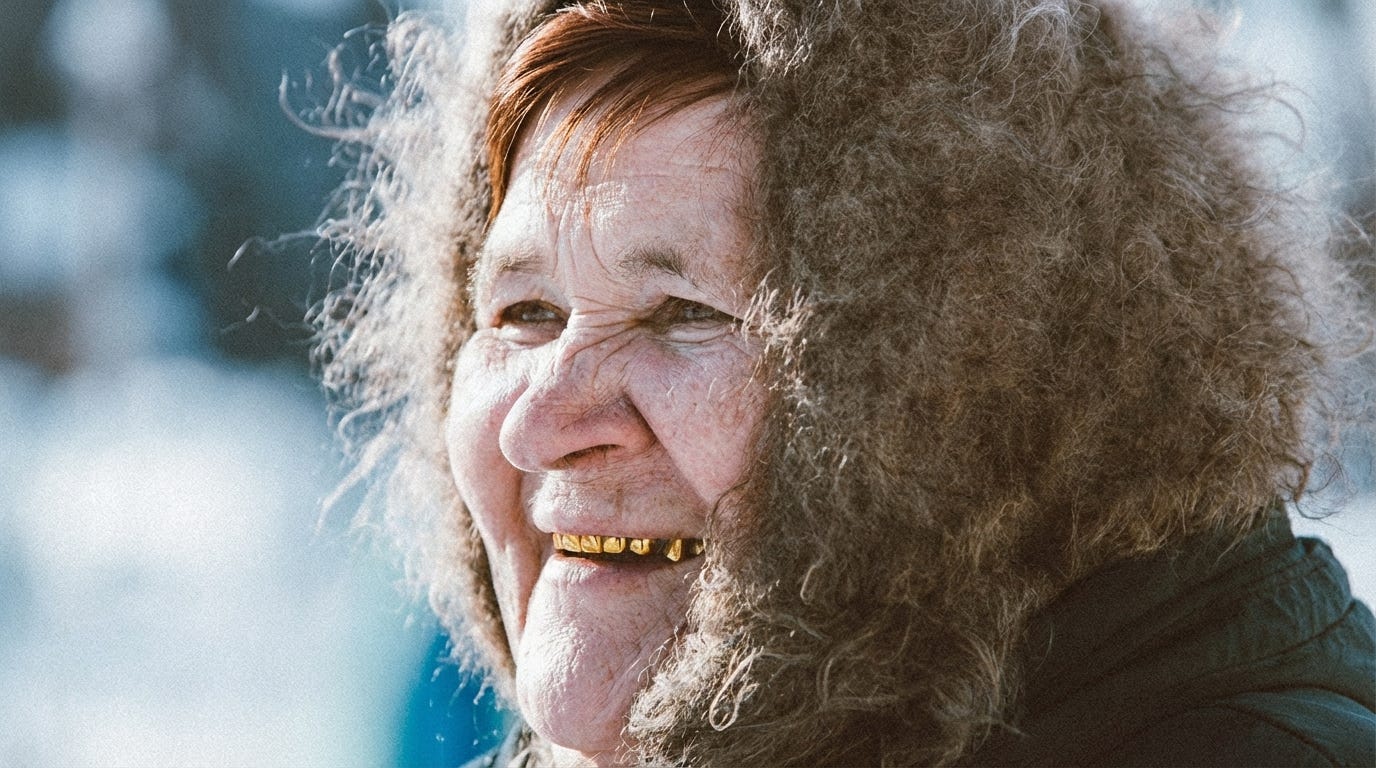
But at the same time… the older women, or “babushkas” looked consistently pretty bad. Even much worse than most women their age would look in the US.
And so I always scratched my head thinking… “What the heck is going on here?”
But it wasn’t till years later when I figured out these dental biomechanics that I realized what was happening.
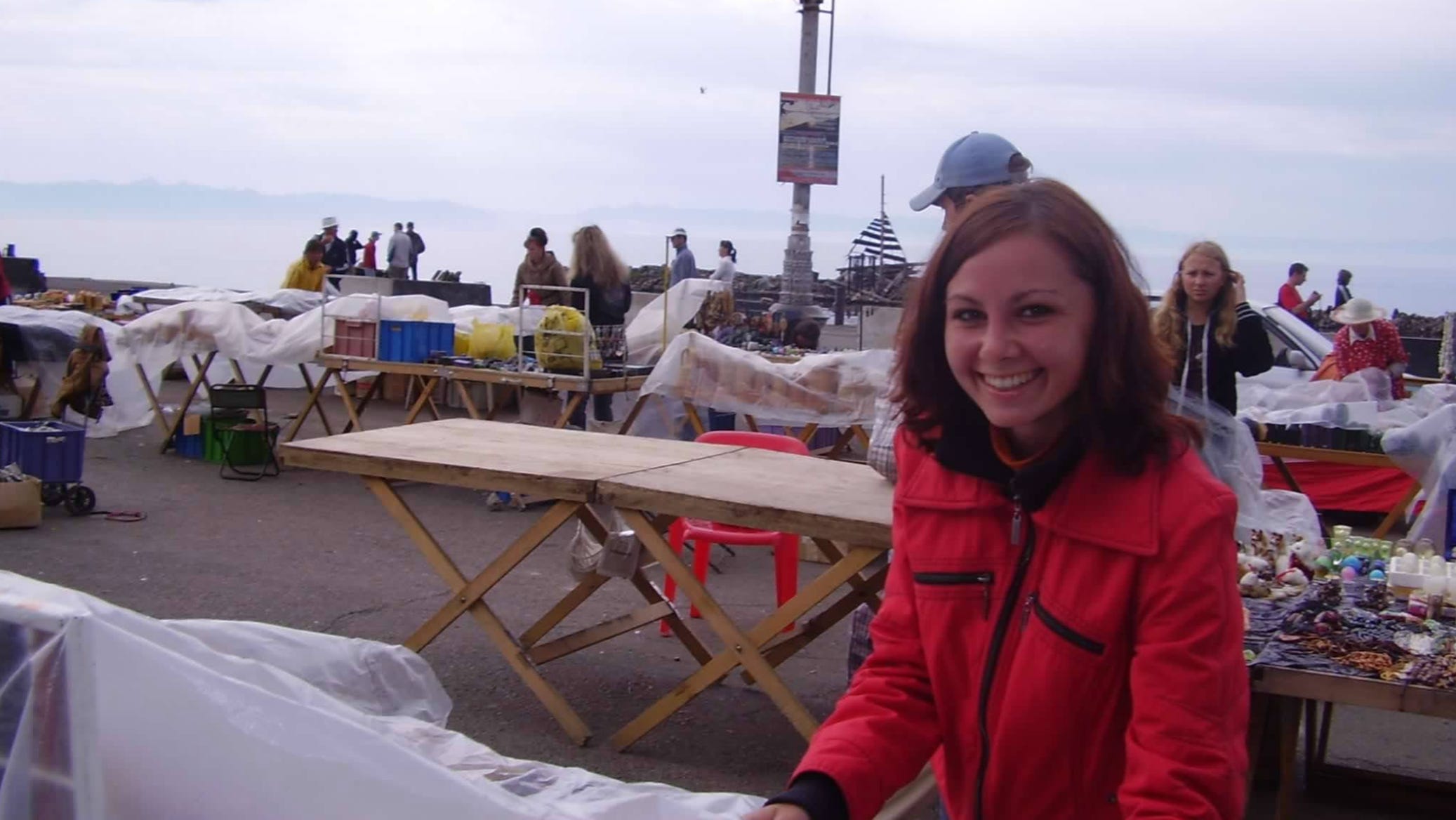
A Russian girl I was flirting with in 2005 who worked in a market in Irkutsk and probably earned like $5/day
Young Russian women were traditionally very beautiful
When I travelled through Russian in 2005 I was just amazed by the density of beautiful women.
It wasn’t just in the bigger cities like Moscow and St. Petersburg but also the smaller ones that I briefly stopped in in places like Siberia.
And they would be doing all kinds of relatively menial jobs that you typically wouldn’t see attractive women doing in the west. Probably because attractive women in the West enjoy being far more scarce, which will often lead to greater opportunity
.
But in Russia back then you could see women that looked like they could be models everywhere. Riding in the metro, working in the shop, trudging thru the snow in her high heels, etc.
And back then I was under the common impression that it was due to their ‘Slavic genes’.
So I immediately fell in love and vowed to come back. Which I did a year or so later when I moved to Moscow in 2006.
Russian dentistry was pretty crap
Older Russian women that I saw at the time pretty consistently had bad or false teeth.
In 2005 most of the women that were in their 40’s and 50’s would have been brought up in Soviet Times and lived through the hardship of the 90’s.
The public system was in crisis during that period. Equipment dated back to Soviet times - often 20-30 years old - and wasn’t being replaced or properly maintained.
Many clinics lacked basic supplies and modern dental materials.
Anesthesia was particularly problematic. Novocaine injections were standard but often insufficient, leading to the stereotype of painful Russian dental work.
The emphasis was on extraction rather than restoration - if a tooth was problematic, pulling it was often considered more practical than trying to save it
.
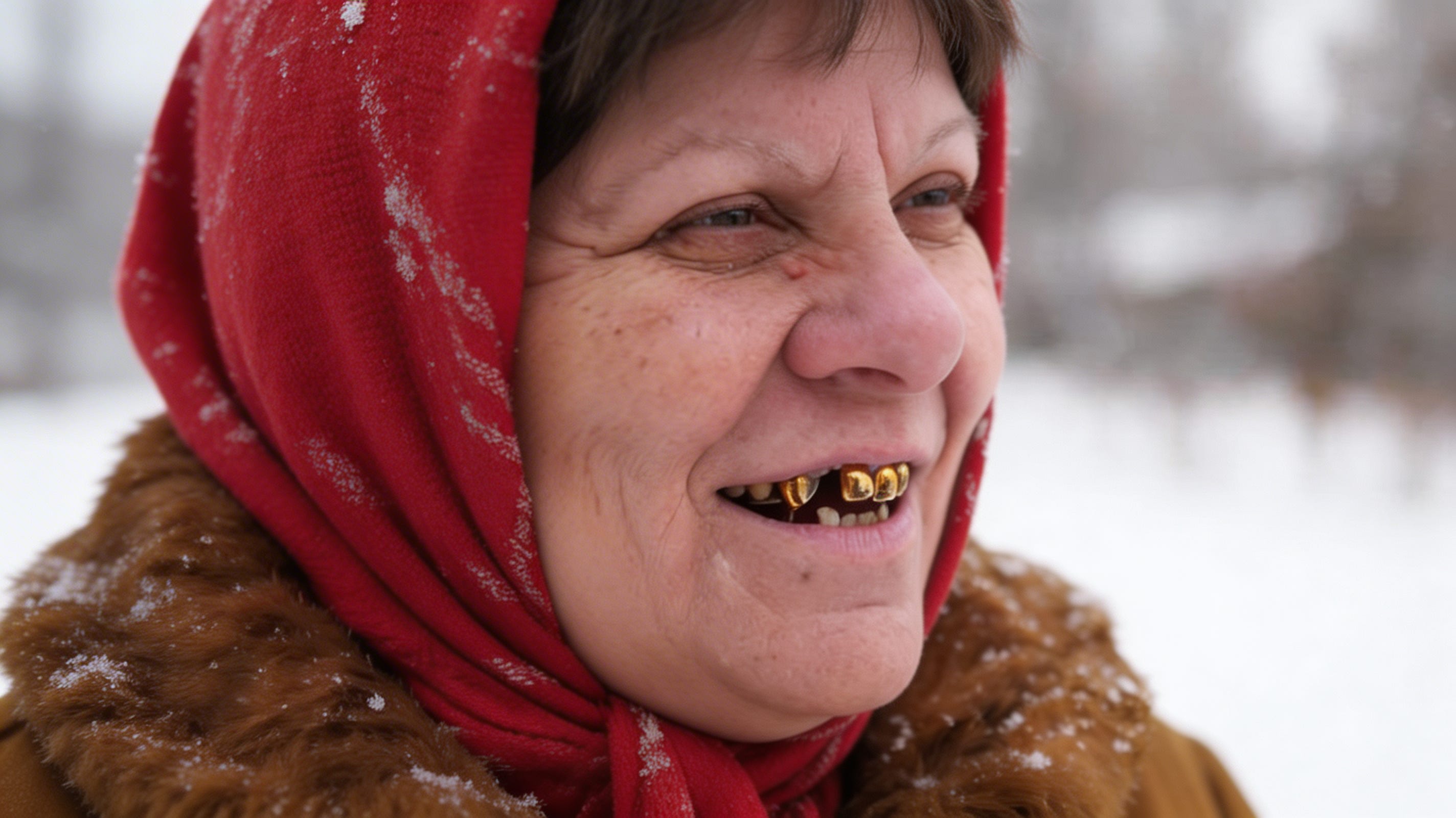
Also metal crowns and bridges were ubiquitous, often made from stainless steel or gold alloys. The prominent “gold tooth” look became a cultural marker of the era.
Amalgam fillings were standard for cavities. Root canals were performed but often without the precision or follow-up care available in Western countries.
Preventive care was minimal - people typically only visited dentists when experiencing pain. Regular cleanings and checkups were rare concepts for most Russians.
Bad dentistry = Bad biomechanics
So basically what happened is that there was little preventative care and the minute something went wrong… the first thing a Russian dentist would do is offer to pull it.
Then potentially replace it with these metal teeth, which would be made with zero regard for things like the curve of spee.
And so the minute you lost a tooth or had to put a bridge in… the poor quality of the work would lead to a cascading effect where the woman would then have more and more teeth pulled.
And more and more metal teeth put in.
Which is exactly what I witnessed among the older women during my time in Russia.
It was extremely rare to see a “babushka” without some metal teeth.
a club in Moscow
“Babushka-ization” was just biomechanics in action
So you see.. the phemonenon I was witnessing back in 2005 was purely biomechanics at work.
The younger women were beautiful because it was a ‘Generation 2’ country as I explained here.
It was never the ‘genetics’… it was just that they had not slid as far down the generational collapse curve as countries like US and UK had (who I consider ‘Generation 4’).
And even though these Russian women started out beautiful, they eventually declined to be ‘babushka’d’ because of the crappy dental system.
Lucky for them, however, most Russian women of that generation typically had their kids by the time they were in their mid-20’s. In the early 2000’s it was still considered abnormal to get married after 30 years old.
And so these future ‘babushkas’ had their kids when their bodies and biomechanics had still not run afoul with bad dentistry.
Now, however, modern Russians are plummeting very rapidly. Which is exactly what I witnessed in 2018-19 when I lived in Moscow. It was starting to look more and more like America.
And this was due to a combination of women already having kids much later in life as well as a much higher penetration of orthodontics.
me finishing the Trans-Siberian rail trip in Beijing in mid-2005
Closing thoughts
My adventures through Russia were some of the wildest times of my life.
First taking the train across the whole country in 2005, followed by living in Moscow from 2006 - 2010.
There was a 2-3 year period from 2006-2009 where I believe i went to either a club or bar an average of 3-4x a week with my expat friends. And often went out till 4 or 5am.
a shot of me and my friends clubbing in Moscow in 2007
This craziness was because us young expat guys were loving the fact that Russia was a ‘Generation 2’ country.
But we’d always crack jokes that we should never marry someone from the region because they’ll end up as babushkas.
I took my chances anyway and married my wife, who is from Ukraine, in 2013.
And she just hit 40 years old this year… but luckily she found the one guy that can prevent her from ever getting babushka’d!! :)
Very interesting! Can you remember the standard diet of Russians at that time? I've looked up current favourite Russian dishes and they seem heavy on the carbs and sugars (though probably no heavier than the 'standard Western diet').








Wow this is brilliant insight Ken! Absolutely brilliant.
Very interesting! Can you remember the standard diet of Russians at that time? I've looked up current favourite Russian dishes and they seem heavy on the carbs and sugars (though probably no heavier than the 'standard Western diet').