

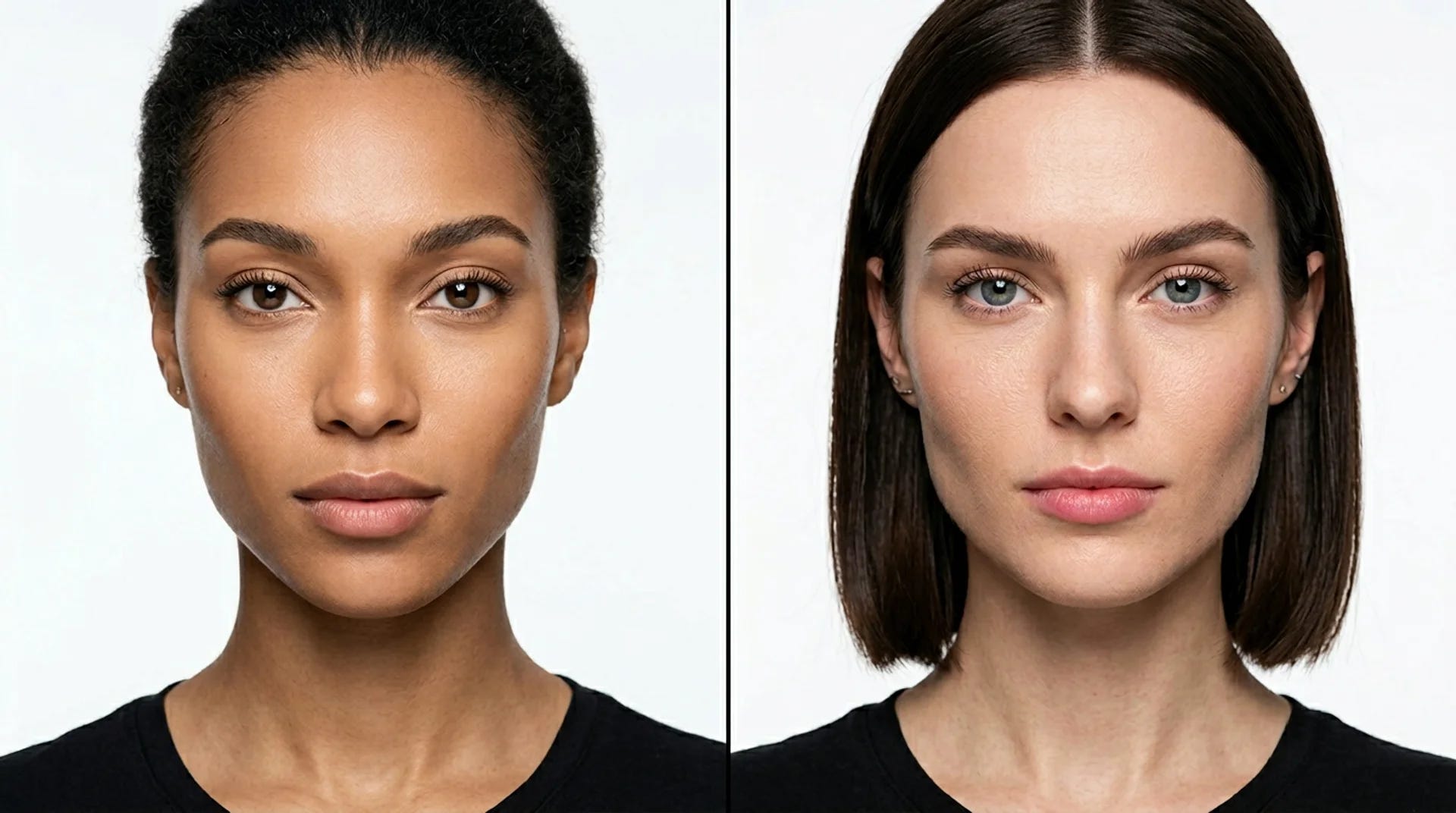
Someone recently asked if I can investigate eye spacing and write an article.
To be honest it’s not something I paid much attention to during my ~11 year journey. Mainly because this game was primarily always about function to me.
In the early days it felt like it was about survival.
But I recognize that a lot of people are doing this not just for functional benefits but also aesthetic ones. And eye spacing is a critical component of the aesthetics of your face.
So I decided i’d double click on this topic and write about it.
So here we go…

The Importance of Eye Spacing
Go look at a photo of the most beautiful people on earth — supermodels, actors at their peak, elite athletes in their prime. One thing you’ll almost always notice is well-spaced, symmetric eyes. Not too close together, not too wide apart. Just... right.
Eye spacing is something people intuitively recognize as beautiful even if they can’t articulate why. It signals facial width, skeletal development, and symmetry — all things the human eye is hardwired to interpret as signs of health and vitality.
Model scouts know this better than anyone. The positioning of the midface and the shape of the eyes are often what separates a girl who’s pretty from a girl who’s on every magazine cover.
But it’s not just aesthetic. The eyes sit at an intersection of multiple cranial bones.
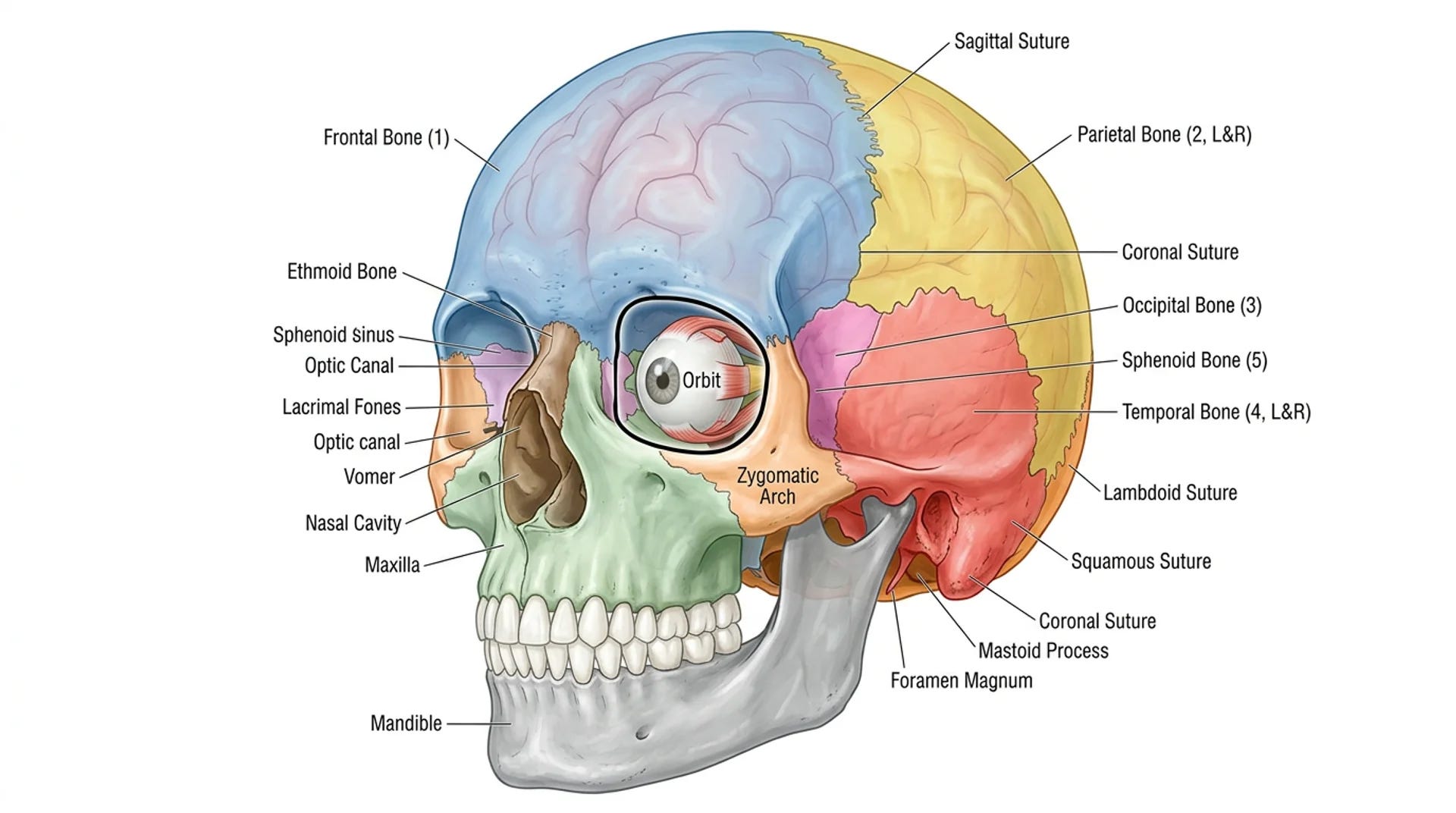
How those bones are positioned affects not just how far apart your eyes are, but the depth of your eye sockets, the tilt of the eyes, whether you have that lifted, cat-like eye shape that everyone in the beauty world obsesses over, and even how your vision functions.
I’ve written before about how my own eyesight got dramatically worse during my biomechanical collapse of 2014 — and noticeably improved as I recovered. That’s not a coincidence in my view… it’s physics.
So yes, eye spacing matters enormously — both for beauty and for function. The question nobody seems to be asking is: what actually controls it?
What Do They Think Determines Eye Spacing?
The conventional view is pretty much locked in genetics. You got the eye spacing your parents gave you, and that’s that.
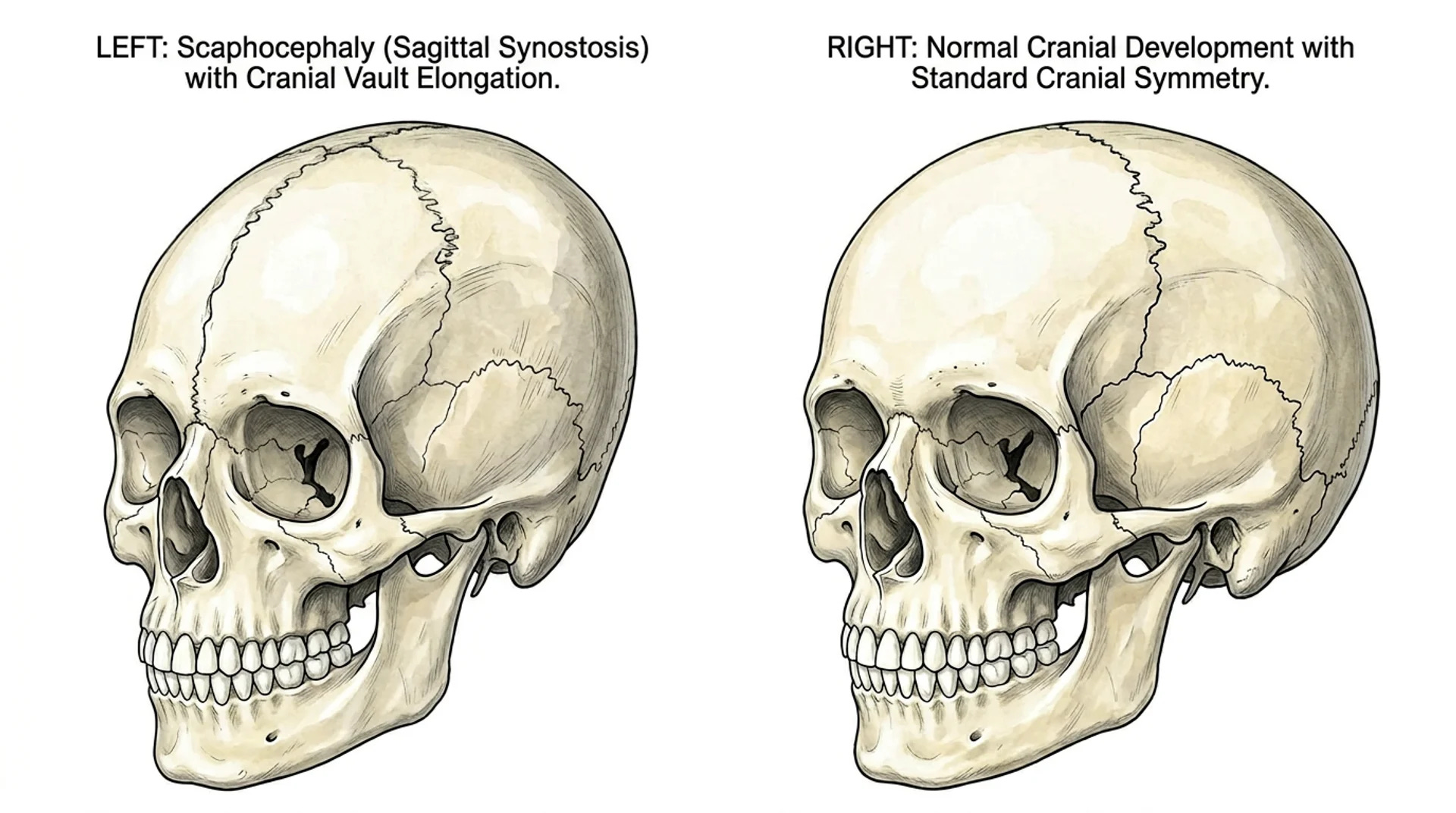
Beyond genetics, developmental biology gets some airtime. The theory is that during fetal development and early childhood, the skull grows and the orbits — the bony eye sockets — migrate to their final position.
If growth is suboptimal due to nutrition, epigenetics, or developmental abnormalities, you get narrower spacing.
This is the lens through which medicine views conditions like hypertelorism (too-wide eyes) and hypotelorism (too-close eyes), both of which are formally classified as cranial bone malformations.

Some researchers also point to broader craniofacial syndromes — conditions like Down syndrome or Apert syndrome — where eye spacing is dramatically altered as part of a wider skeletal picture.
The acknowledgment that cranial bone positioning affects eye spacing is right there in the medical literature. But the establishment treats it as a rare, extreme phenomenon rather than a spectrum that affects everyone to varying degrees.
The idea that your eye spacing might subtly shift over the course of your adult life as your skull changes? That’s not even on their radar.. and yet it’s so obviously true in my view.
What Are the Conventional Ways of Treating It?
For extreme cases — genetic conditions, trauma, tumors — surgeons can operate directly on the orbital bones, physically repositioning the eye sockets.
These are brutal, high-risk procedures with long recoveries. They’re reserved for the most severe cases and they’re done purely on a structural basis, carving and repositioning bone.
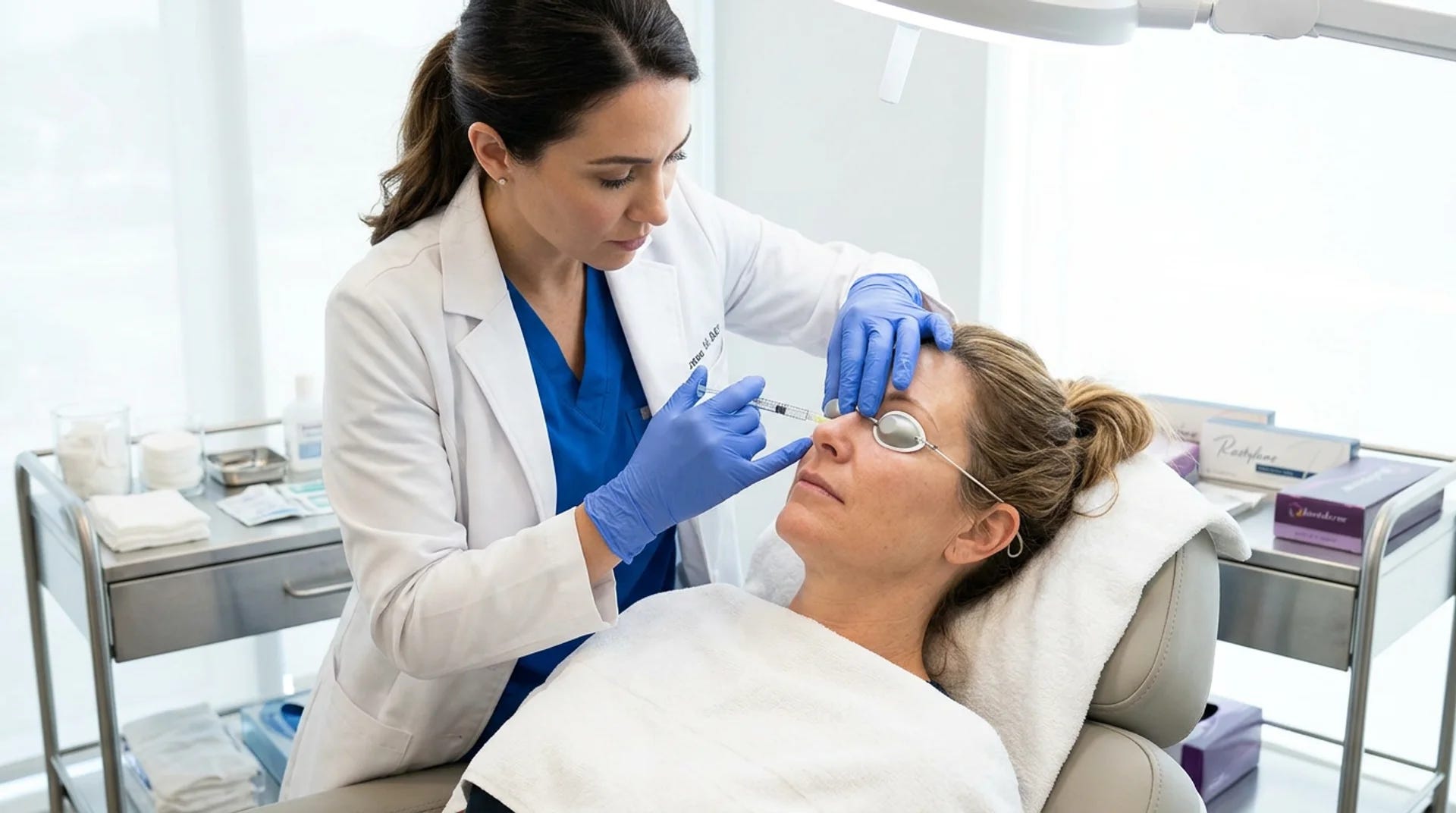
For cosmetic concerns about eye shape, the options get less invasive but also far less effective at the root level.
Blepharoplasty (eyelid surgery) can change the appearance of the eyes but does nothing to the underlying bone structure.
Fillers placed around the orbital rim can create an illusion of wider spacing or more depth.
Facelifts attempt to lift the midface tissue upward to create a more youthful, open-eyed look — with temporary results that often look strange within a few years because the underlying structure wasn’t actually addressed.
Then there’s the “just live with it” approach, which is what most people get.
“It’s genetic.” “It’s just how you’re built.” The cosmetics industry sells you makeup contouring tutorials to create the illusion of better eye spacing, because apparently that’s the best we can do.
None of these approaches engage with the underlying question of what controls where the orbits sit in the first place, in real time, throughout your adult life.
Why I Think It’s Biomechanical
Here’s my argument…
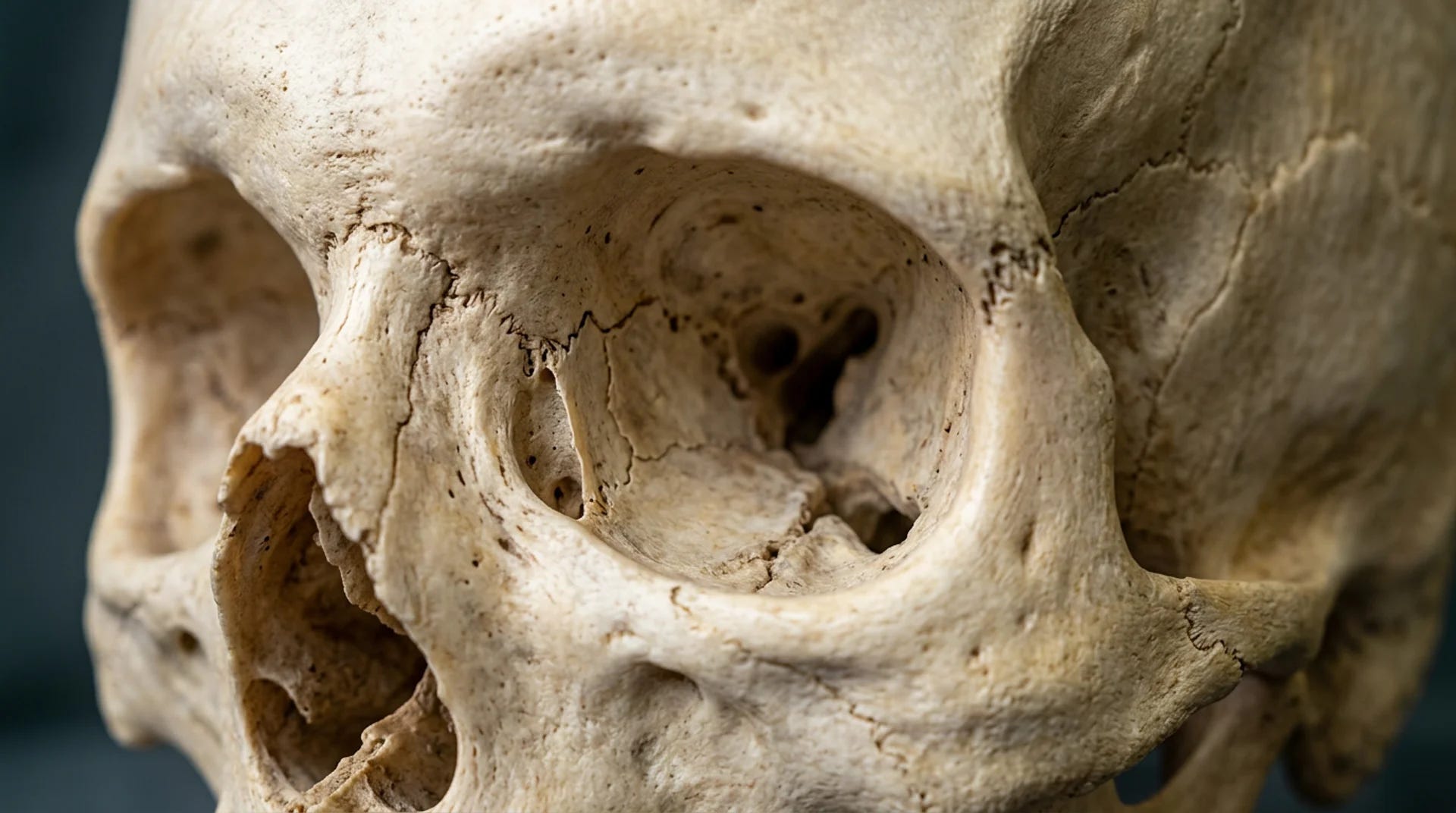
The eye sockets are not floating independently in your skull.
They are formed by the intersection of multiple cranial bones — including the frontal bone, the maxilla, the zygomatic bone, and the sphenoid. These bones are connected at sutures, and they move.
This is not controversial — even anatomy textbooks acknowledge that the skull is not a single rigid structure but approximately 22-29 bones connected by soft tissue.
And what I’ve observed over nearly a decade of experimenting on my own skull is that as the skull inflates — as the soft tissue surrounding it stretches and allows the cranial bones to space out — the face gets wider and more symmetric.
The eyes change shape. The orbital area opens up. I’ve seen this on myself, and I’m seeing early signs of it on members of our community going through this process.
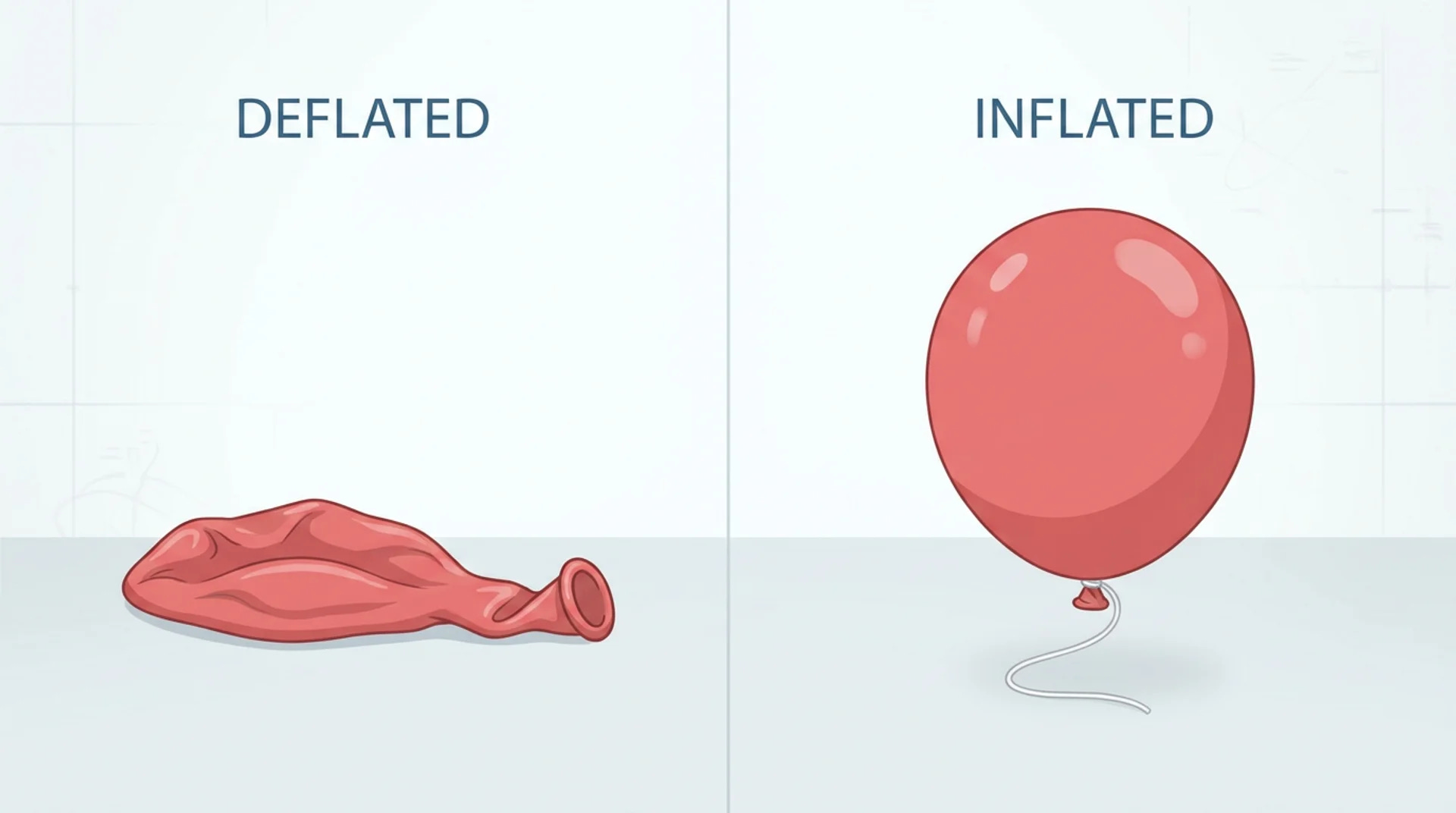
Conversely, when the skull deflates — which is what braces, dental extractions, retainers, and bad dental work all trigger — the cranial bones compress inward.
The face narrows. Asymmetries appear. And the eyes get closer together and change shape.
Look at before-and-after photos of people who did aggressive orthodontics over a decade and pay attention specifically to the eyes. They shift. Sometimes dramatically.
I like to say that the shape of the eyes is one of the most reliable indicators of whether the maxilla has truly moved. When people post their “mewing results” online, I look immediately at whether the eye shape has changed.
Most of the time, it hasn’t, which tells me nothing structurally significant happened. But when someone has genuinely remodeled their skull — through a proper biomechanical process — the eyes are one of the first places it shows.

Closing thoughts
Think about it logically: if the maxilla moves, the entire surrounding structure moves with it. The floor and sides of the orbital cavity change. The relationship between cheekbones, nasal bones, and frontal bone all shift simultaneously.
It is completely impossible to move the maxilla without also changing where the eyes sit. Yet the aesthetic medicine world talks about these things as though they’re completely separate.
That is absolutely ridiculous from a logical standpoint.
The genetics argument collapses the moment you observe that the same person’s eye spacing can change over time — not because their DNA changed, but because their skull architecture changed in response to dental intervention, trauma, or biomechanical recovery. The bones don’t lie.
Wide, beautifully spaced eyes are a reflection of a properly inflated skull.
Narrow, close-set or asymmetric eyes are a reflection of one that has been compressed. And the mechanism driving that compression, in most modern humans, starts in the mouth.
That’s a wrap!
good post
This is brilliant. I remember when I had my interpupillary distance measured realizing I didn't like how close set my eyes are. Gaining a few mm width would be amazing.