


A couple weeks back someone in our community asked me about my coffee usage and whether it had changed.
And i’d honestly never thought about it before.
But as I thought about the question… I realized my consumption of coffee had in fact changed quite dramatically in the last 4-5 years.
Enough so that I think it warrants writing about as perhaps some of you might experience something similar.

First, some statistics on coffee
Coffee is not just a beverage. At this point it’s a full-blown cultural institution.
66% of Americans drink coffee daily, consuming an average of 3.1 cups per day — equivalent to over 400 million cups served nationwide every single day.
The US coffee market was valued at nearly $23 billion in 2024 and is projected to hit $32 billion by 2033.
And then there’s the cafe explosion.
The US cafes and bars market is set to nearly double from $81 billion in 2024 to $165 billion by 2033, fueled by changing consumer behavior, growing coffee culture, and what researchers are now calling “social dining needs.”
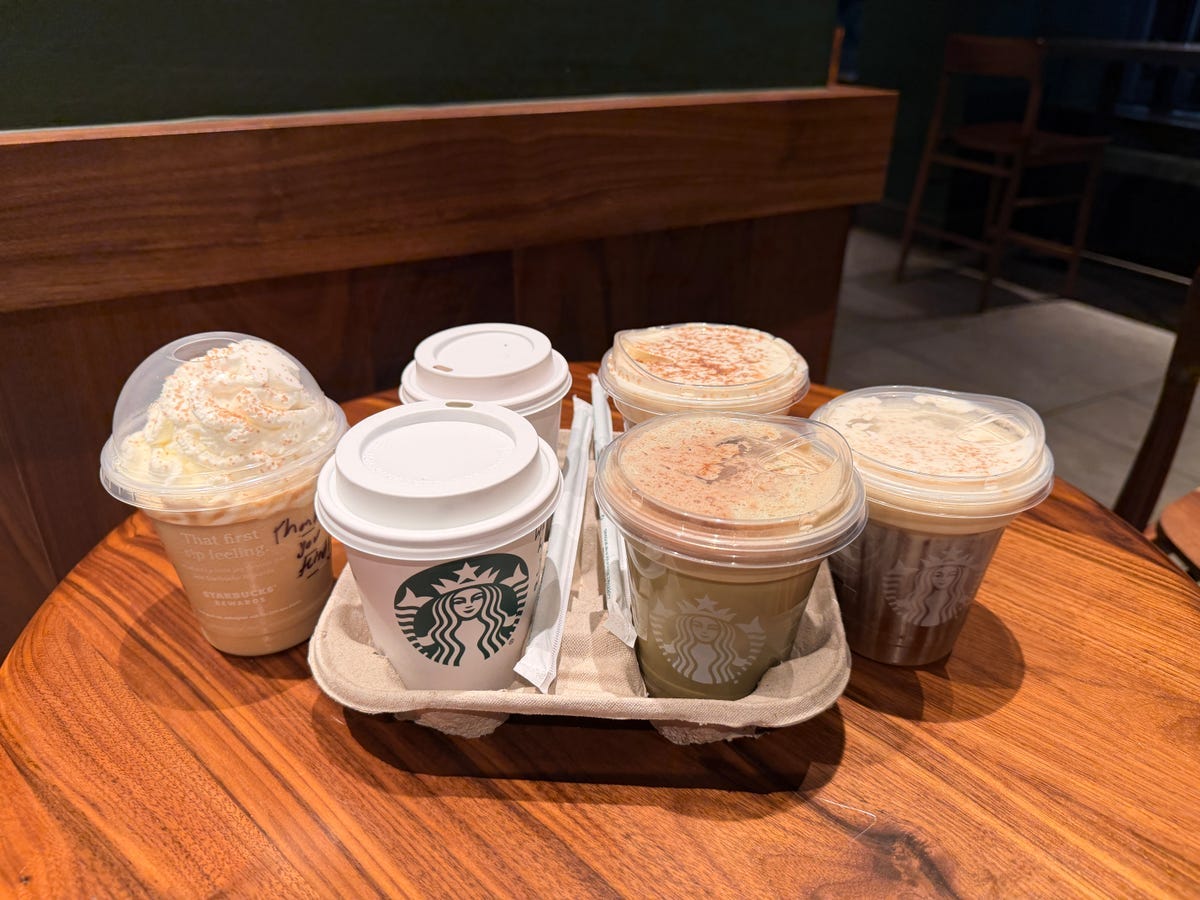
Starbucks alone operates over 10,000 company-owned US locations.
Independent specialty cafes are multiplying in every city neighborhood.
Coffee has become a ritual, an identity, a social lubricant, a productivity prop.
The cafe is the new office, the new living room, the new therapist’s waiting room.
People don’t just drink coffee anymore — they perform it.

The caffeine debate
The science on caffeine is genuinely mixed, and anyone who tells you it’s definitively good or bad is oversimplifying.
On the positive side: a comprehensive review consolidating over 100 publications found coffee linked to reduced inflammation, improved glucose metabolism, and increased fat oxidation, with drivers who used caffeine staying alert showing a 63% lower risk of crashing.
A review published in Ageing Research Reviews found that regular coffee consumption added almost two extra years of healthy aging on average.
On the risk side: the FDA recommends a maximum intake of 400mg per day — roughly two to three cups — with excessive consumption linked to insomnia, headaches, and anxiety.
Research also shows that consuming more than five cups per day increases risk of certain conditions and mortality, particularly in people with slower caffeine metabolism.
So the honest answer is: moderate coffee consumption appears to be fine and may actually be beneficial. Heavy dependence is a different story. And the question nobody is asking is: what drives heavy dependence in the first place?
I’m a coffee lover
I’ve been drinking coffee my entire adult life.
Actually, it started even earlier than that.
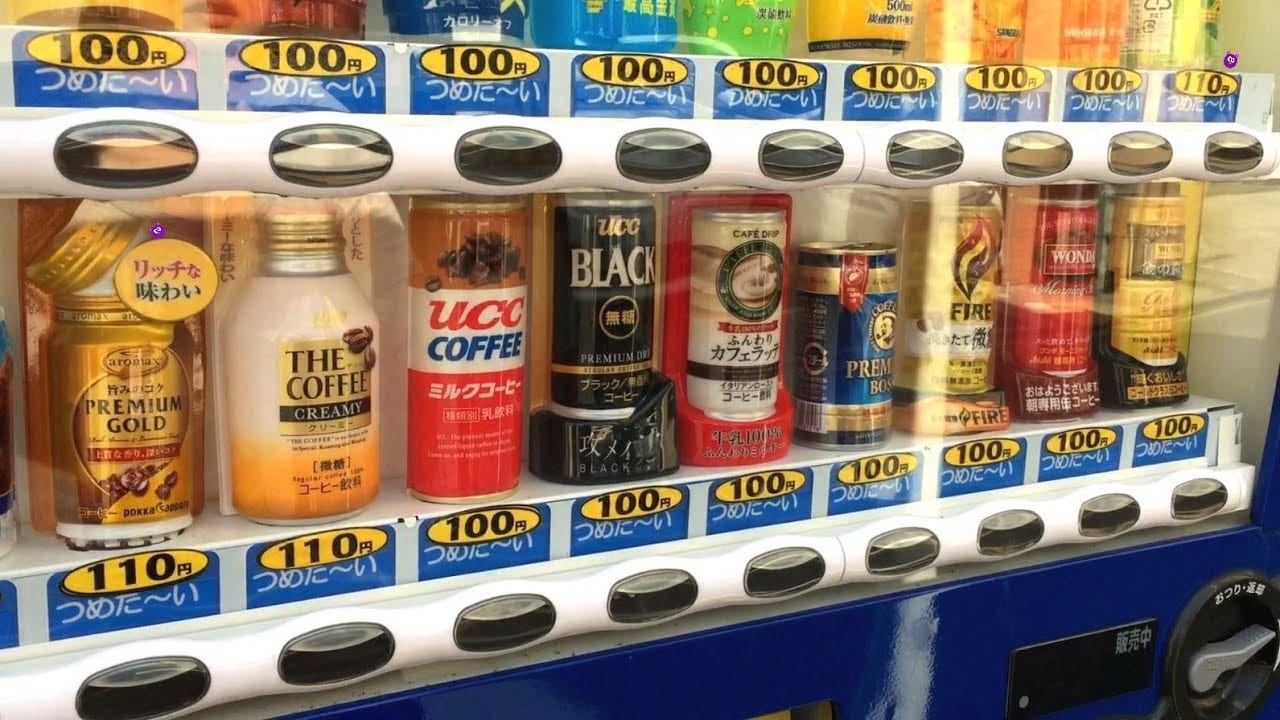
When I was around 11, during my annual trips to Japan to visit my family there, I fell hard for the canned sweet coffee-milk drinks that are everywhere there — in every vending machine, every convenience store. It’s a whole culture over there and I was completely in on it from the first sip.
As an adult I never really got into making my own coffee at home. I’m a cafe person. Ever since my late nights at the cafe studying in college.
I never had one of those fancy ‘real’ Italian-styled coffee machines in my house and so it just never tasted nearly as good when I made it at home.
For the past six years, living in Thailand where it’s hot basically every day of the year, I’ve gravitated almost entirely to iced cappuccinos. Cold, easy, caffeinated. Works perfectly in the heat.

And this shop above, Cafe Amazon, is one of the chains I frequent here. For ~$4 I can get a tall glass of Ice Cappuccino delivered to my house in about 20 minutes. That is when you know you’ve got it good!
Anyway, I genuinely love coffee.
I’m not writing this as someone who quit coffee and found enlightenment.
I’m writing this as someone who noticed something about how often I drank it.

I found that I drank a lot more when I was more collapsed
There were periods in my life the past decade — where coffee wasn’t really optional. I could easily put down four or five cups in a day without thinking about it.
It wasn’t about enjoying the taste. It was a dependency. I always wanted one nearby.
If I was trying to concentrate on something and didn’t have coffee, there was a level of restlessness to it — like part of my brain was waiting for the caffeine before it would properly engage. I’d sip on it constantly, refill it, reach for another one every hour or two during the day.
Particuarly in 2014, the year that the Vietnamese dentist filed my teeth down, I remember wanting to make myself a fresh coffee almost every hour. It was like fresh caffeine was the only way i’d get my brain to concentrate for even 5 minutes back then.
Looking back now, I think I might know what may have been happening.
When the skull deflates and the brain gets compressed, neurological function drops. Alertness drops. The ability to concentrate, to sustain attention, to feel mentally present — all of it degrades.
And caffeine is a very effective short-term patch for that. It forces a neurological response that the brain is struggling to generate on its own.
So you end up chasing it. Cup after cup. Not because you’re addicted to the taste — because your brain genuinely needs the chemical stimulus to function at the level you need it to function.
At least that’s my interpretation.

Now I only drink about a cup a day
These days I only drink one coffee a day and half the time I don’t even finish it.
Plus I no longer need it be fresh from a cafe. I just stock my fridge with the ready-to-drink iced cappuccinos.
The dependency is gone.
I don’t feel the pull toward it I used to feel.
I don’t hit a wall mid-afternoon and think “I need a coffee right now.”
My alertness and ability to concentrate don’t seem to hinge on whether I’ve had caffeine. I drink it because I genuinely enjoy the taste and the ritual — not because my brain is holding me hostage for it.
It’s a noticeable shift.
And it tracks precisely with the improvements in my biomechanical structure over the same period.
One possible interpretation… when the skull is properly inflated and the brain isn’t being compressed, the nervous system functions the way it’s supposed to.
Trigeminal stimulation is working. Blood and cerebrospinal fluid are circulating properly. The brain generates its own alertness and focus — because the physical environment it’s sitting in allows it to.
You don’t need to outsource that to caffeine anymore.

Closing thoughts
I’m not telling you to quit coffee. I love coffee. I’ll probably drink it for the rest of my life.
But if you’re the kind of person who feels genuinely dysfunctional without four or five cups a day — if you feel like you can’t concentrate or get going without it — I’d encourage you to consider whether that’s really about the coffee, or whether the coffee is compensating for something else entirely.
The caffeine debate in nutritional science will go on forever. But nobody in that debate is asking why certain people’s brains seem to need the chemical stimulus so badly while others are perfectly functional on one cup or none.
I think the answer is structural. And I think fixing the structure makes the dependency go away on its own — not through willpower, but because the underlying problem has been addressed.
Absolutely! I used to drink a lot of coffee. Now I have one cup in the morning, and I’ve been forgetting to finish it. Improved posture seems to be connected to less stimulants needed or wanted. Great post!
First off, I am a coffee LOVER/ addict
My sincere question is.
@kenlever How do you know the long term effects of having silicone in your mouth 8+ hrs a day?
This is personal but here it is-
I recently explanted and did mounds of research on silicone and its impact on the body is monumental. Although women everywhere are still being gaslight by the fact that breast implants are safe my personal experience and countless others says otherwise.
Obviously I know Reviv is not surgically implanted but the material is resting on mucus membranes for countless hours.
Before anyone comments that Reviv isnt for everybody I just want to say that my bio mechanical need for something like a Reviv is real which is why I am taking the time to sincerely ask this question.
I don’t want any food grade silicone FDA approved answers please & thank you 🙏🏻