

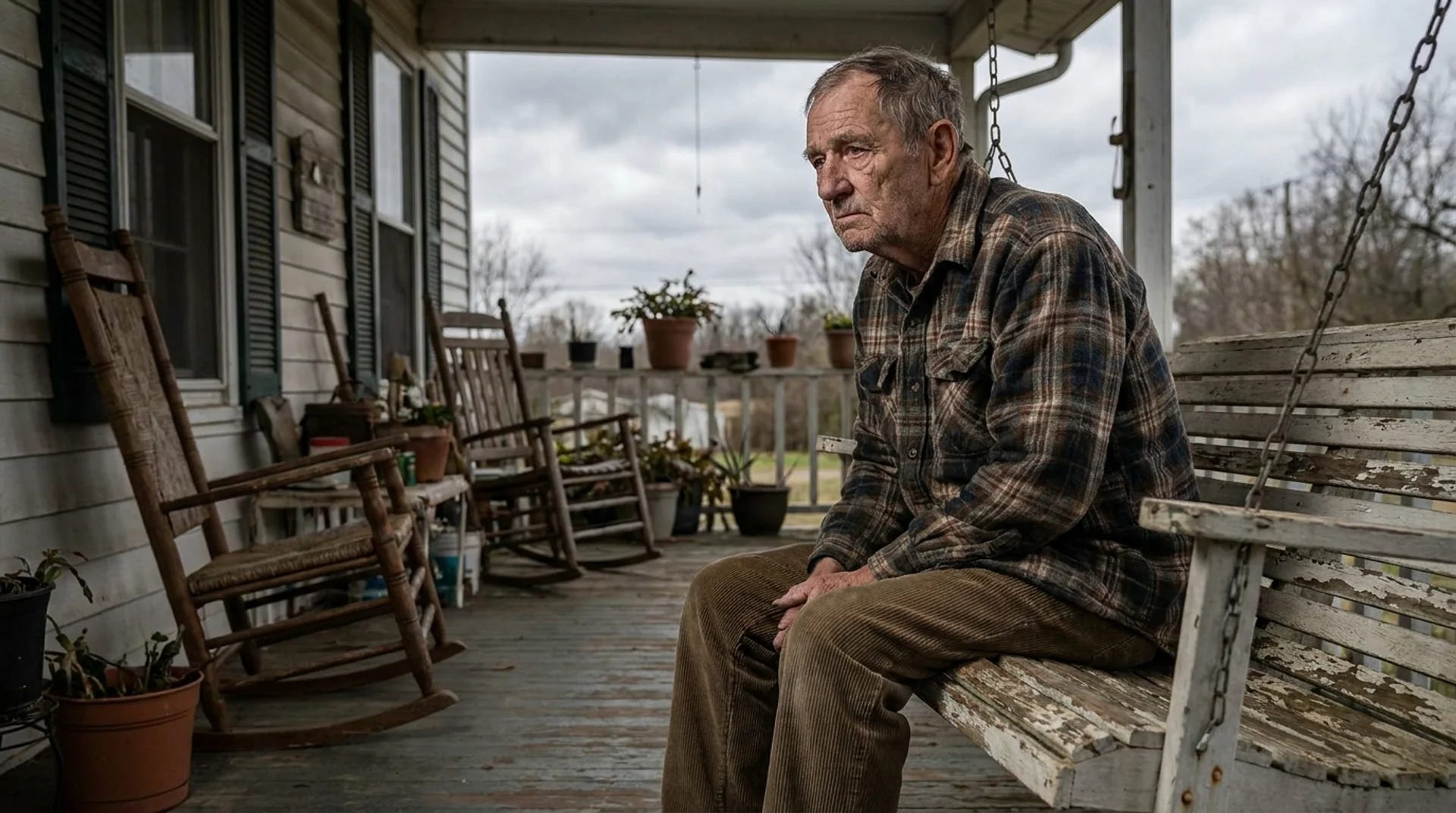
Loneliness in old age gets treated like some unavoidable social byproduct of getting older — kids move away, friends pass, retirement removes the built-in social structure of a workplace.
All of that is true on the surface.
But I think there’s a deeper mechanism running underneath it that isn’t really talked about.
And it explains why more and more folks are finding themselves lonely late in life.
Biomechanics collapse, and neurology follows
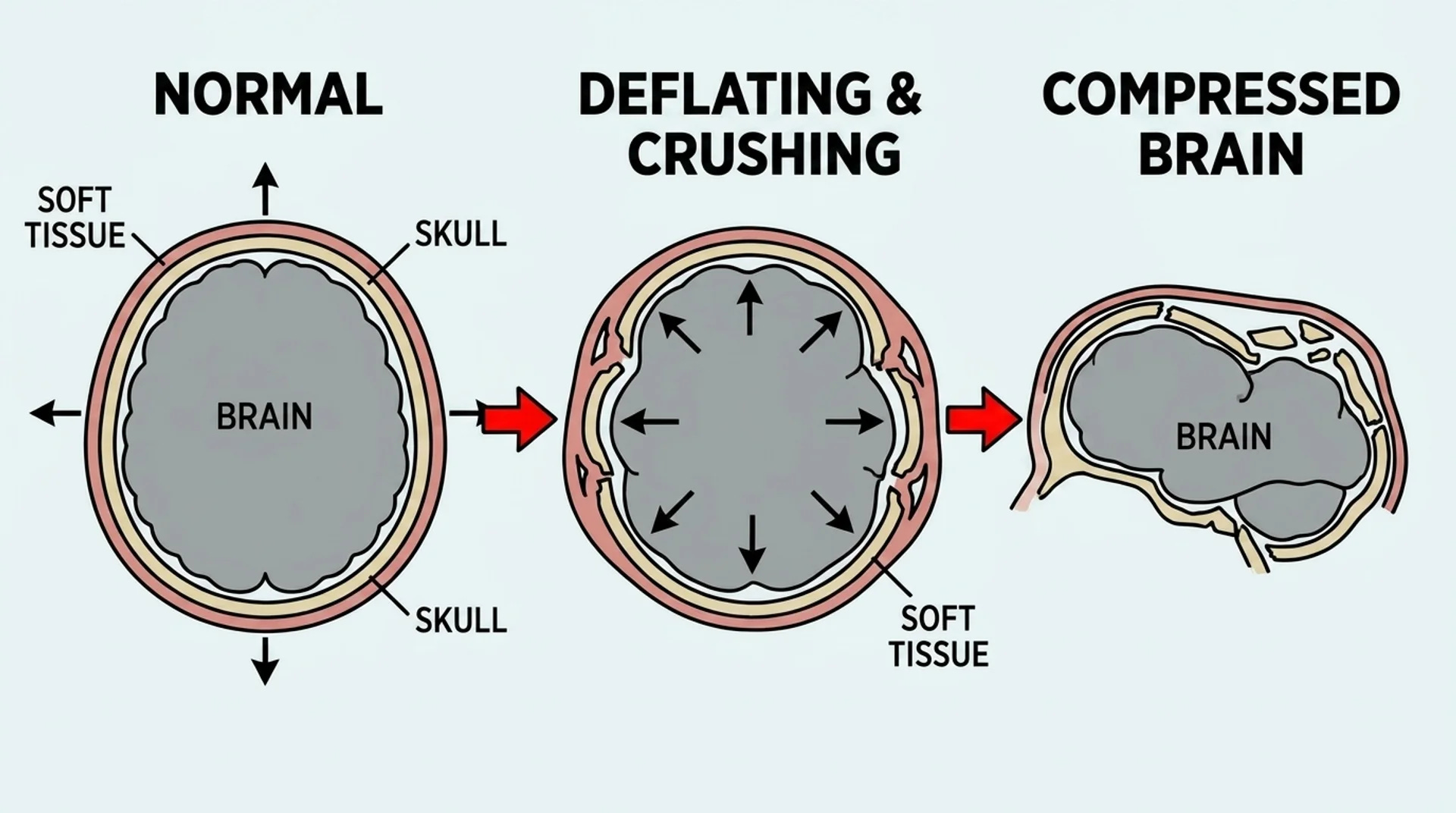
I’ve written quite a bit about how the skull deflates over a lifetime — through dental work (eg. orthodontics, extractions, etc), through loss of vertical height (eg. grinding, etc), through the slow soft tissue collapse that most people just call “aging.”
As that structural collapse progresses, I view that the brain sitting inside the skull gets compressed and a growing number of things get impaired.
The nervous system that’s supposed to be operating inside a properly inflated, properly supported skull is instead operating inside a slowly shrinking container.
That has consequences far beyond memory loss or slower reflexes, which are the normal things people associate with cognitive aging.
Neurology isn’t just about remembering where you put your keys. It’s the entire infrastructure behind how you read a room, regulate your own emotions, interpret someone else’s tone, and manage the give-and-take that every relationship requires.
I figured that piece out by rollercoastering on my neurology the past decade and seeing just how my ability to do those things rollercoastered with it.
Neurology is what lets you make and keep friends
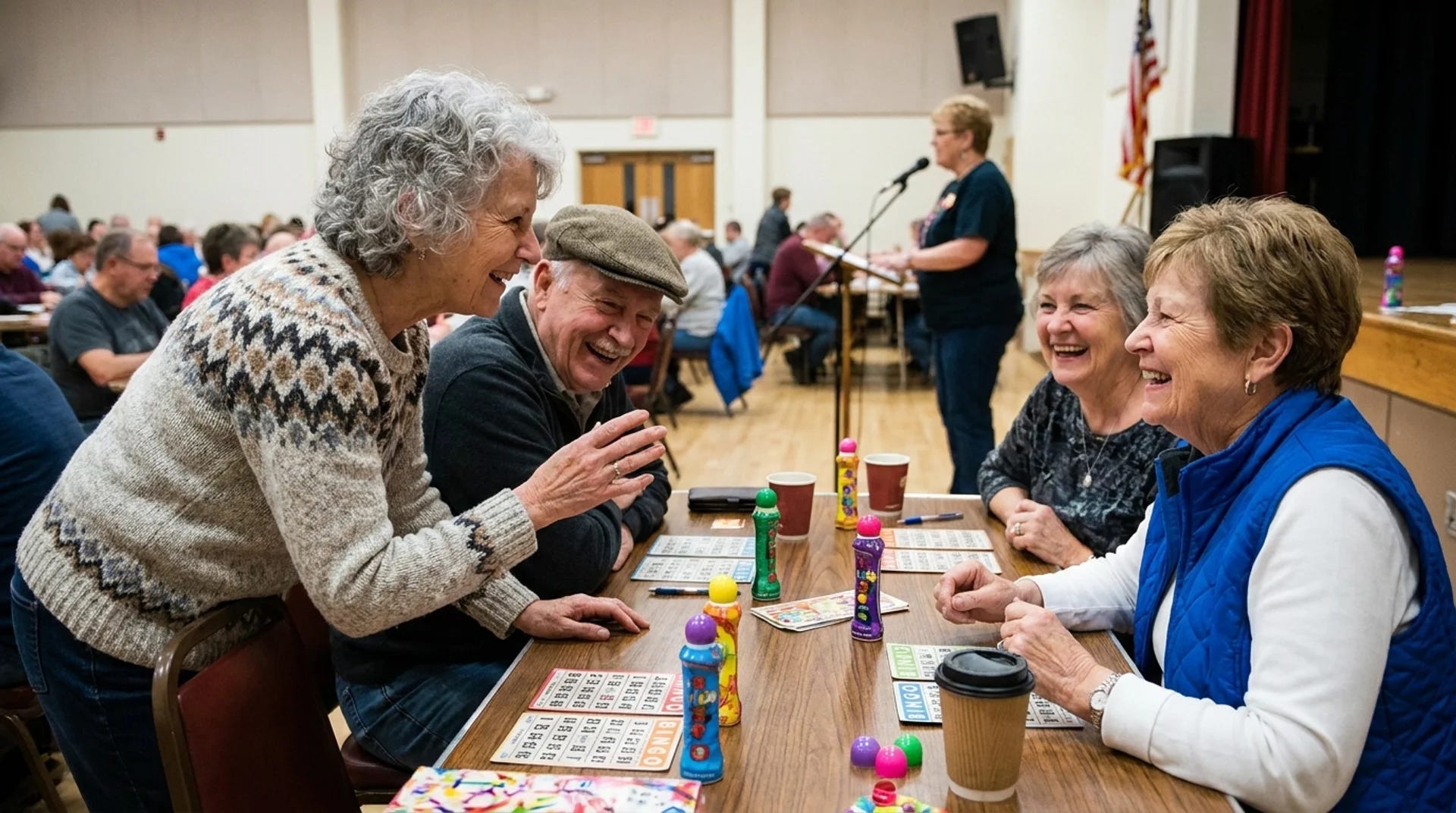
Friendship, at a functional level, is a neurological skill.
It requires reading social cues accurately, tolerating minor friction without overreacting, picking up on when to speak and when to listen, managing your own emotional responses so they don’t overwhelm the interaction, and doing all of that consistently over years, sometimes decades.
None of that happens automatically (as I found out the hard way).
It happens because a healthy brain is running the process smoothly in the background.
When that same brain is operating under structural compression, the machinery behind all of that starts to degrade.
Compressed neurology makes people more emotional and reactive
Here’s the part I think explains the loneliness specifically.
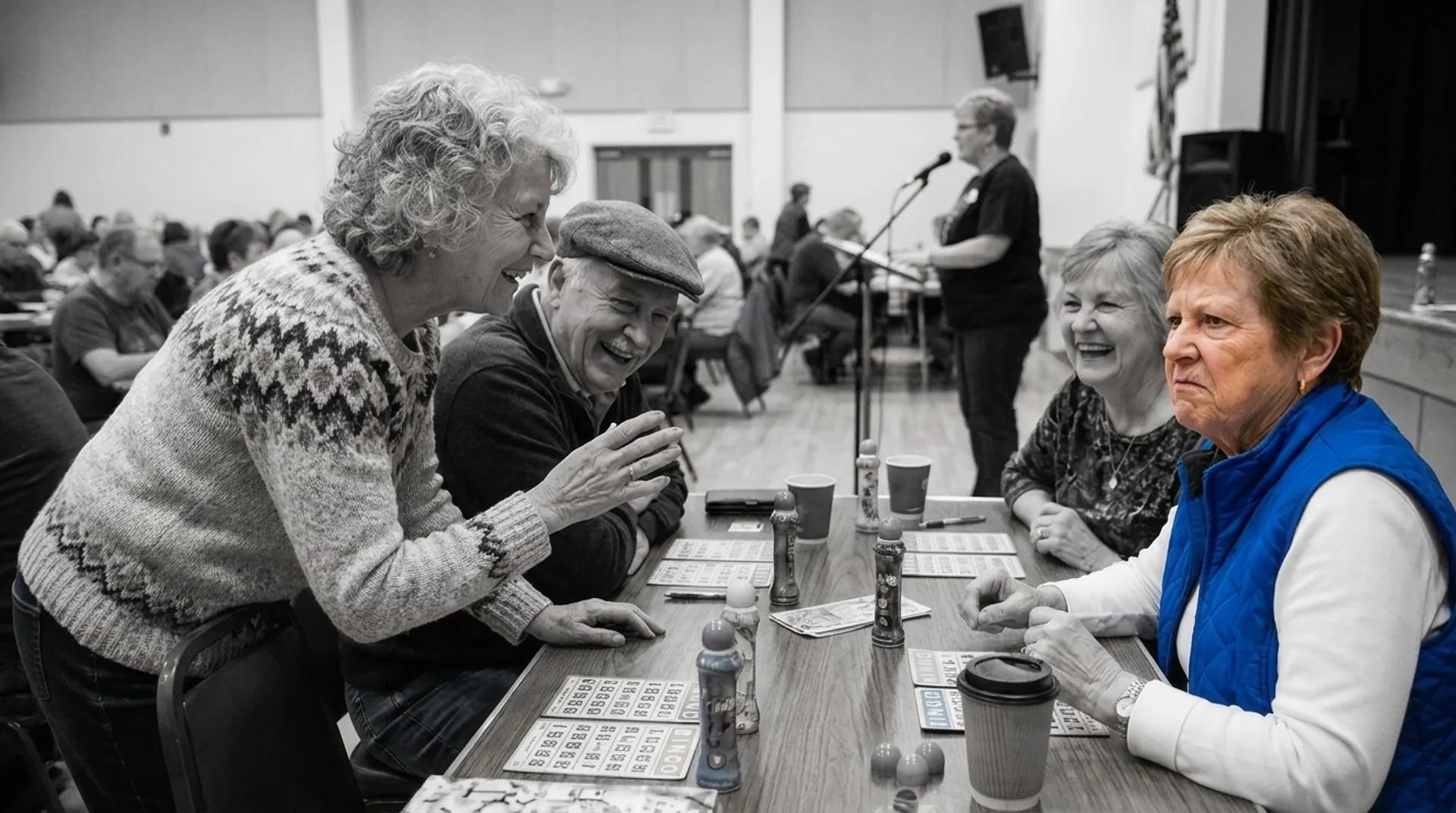
As neurological function degrades, people often don’t become quieter or more withdrawn right away.
They also frequently become more emotional, more sensitive, more reactive to things that wouldn’t have bothered them a decade earlier.
A comment that used to roll off them now stings.
A minor disagreement that used to resolve itself in five minutes now spirals into something bigger.
Emotional regulation — the ability to feel something and not let it hijack the whole interaction.
This is exactly what happened to me when I was not doing well.
I would read into things people said rather than let it bounce off me. I would hold grudges. I would show my vulnerabilities by getting sensitive to certain topics.
These days I rarely do any of these things.
You would be hard pressed to find my sensitivities as I just let most things bounce off so much easier now.
Instead of getting sensitive if I deem what was said to have hurtful intentions… I am more likely to smile, laugh and then shoot back a joke that is aimed at something i think the other person is sensitive about.
Just to let them know “I don’t just play defense Jack.”
Then i go about my day and probably think nothing of it again. Because that’s just how a healthy brain works in my experience.
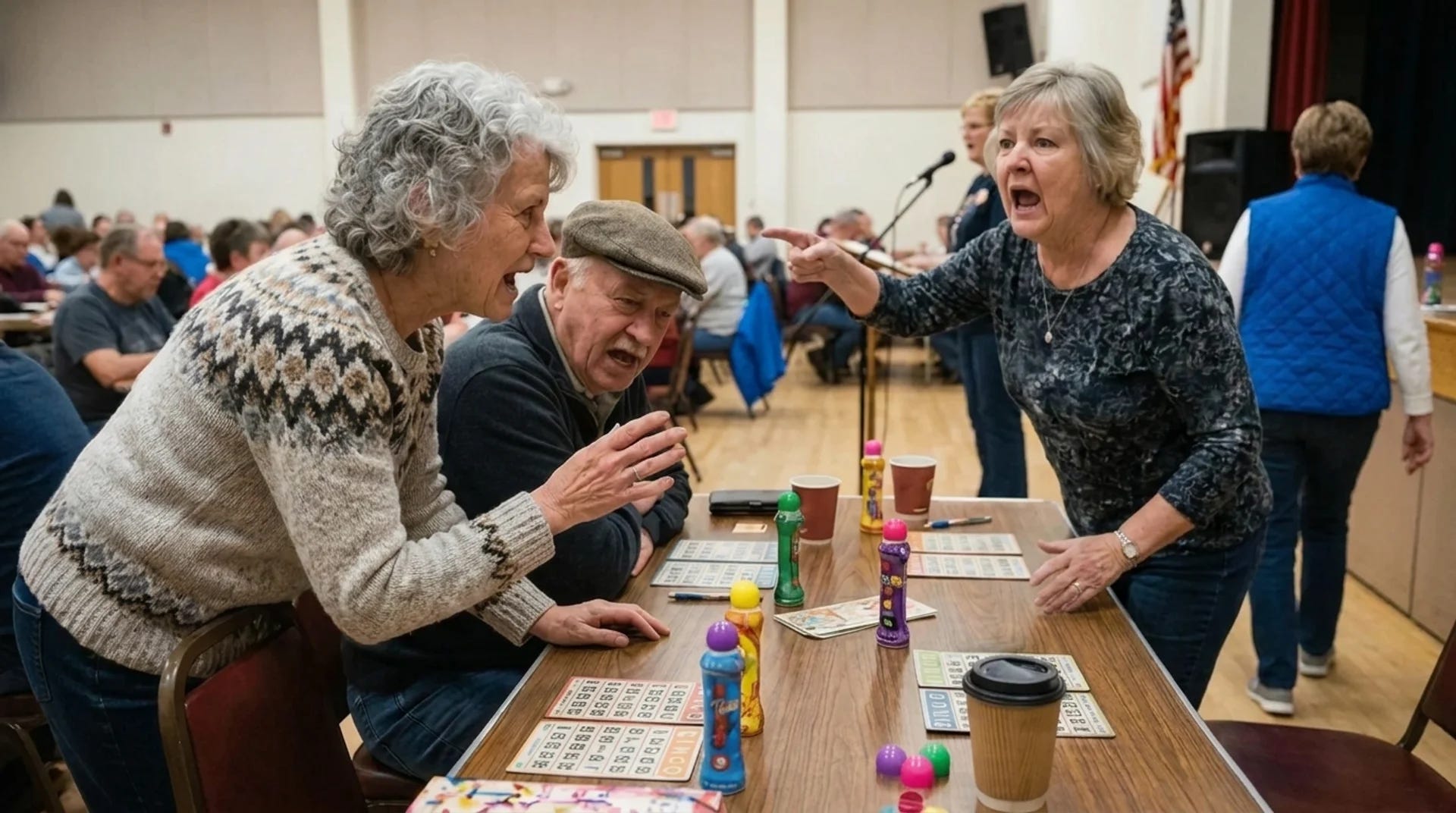
This makes it easy to destroy relationships that took decades to build
So now you have an older person whose emotional regulation is degraded… but has relationships that have accumulated years of history, shared grievances, old wounds, and all the complicated texture that comes with decades of knowing someone.
That combination is dangerous. It doesn’t take much for a heightened emotional reaction to turn a minor disagreement into a permanent rift with a sibling, an old friend, or a spouse.
You see this constantly — an elderly relative who suddenly cuts off a friend of forty years over something that sounds, from the outside, fairly small.
Everyone chalks it up to “getting difficult with age” or being “stuck in their ways.”
I think what’s actually happening is a neurological system that is no longer as healthy as it used to be.
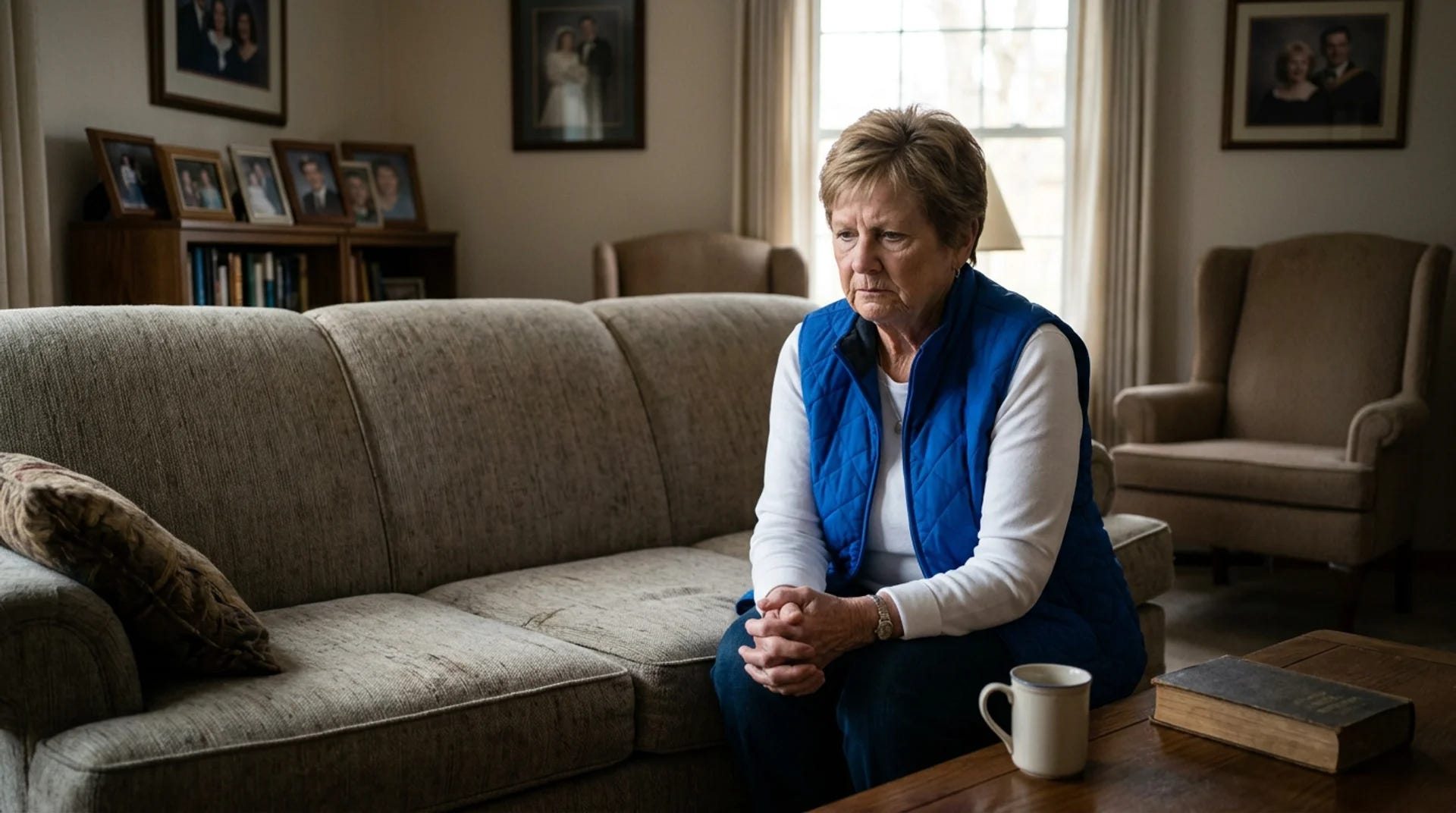
And they can’t build new relationships to replace what’s lost
Here’s the second half of the problem, and it’s the part that turns this into a downward spiral instead of just a loss.
Making a new friend as an adult, and especially as an older adult, is neurologically demanding.
It requires putting your best social self forward, tolerating the awkwardness of a new relationship, reading a stranger’s cues without the years of context you’d have with an old friend, and doing all of that with less emotional reactivity.
So at the exact moment old relationships are becoming fragile and prone to breaking, the capacity to form new ones to replace them is also disappearing.
It’s not that older people don’t want new friends.
It’s that the neurological toolkit required to build one from scratch has been quietly worn down by declining biomechanics.
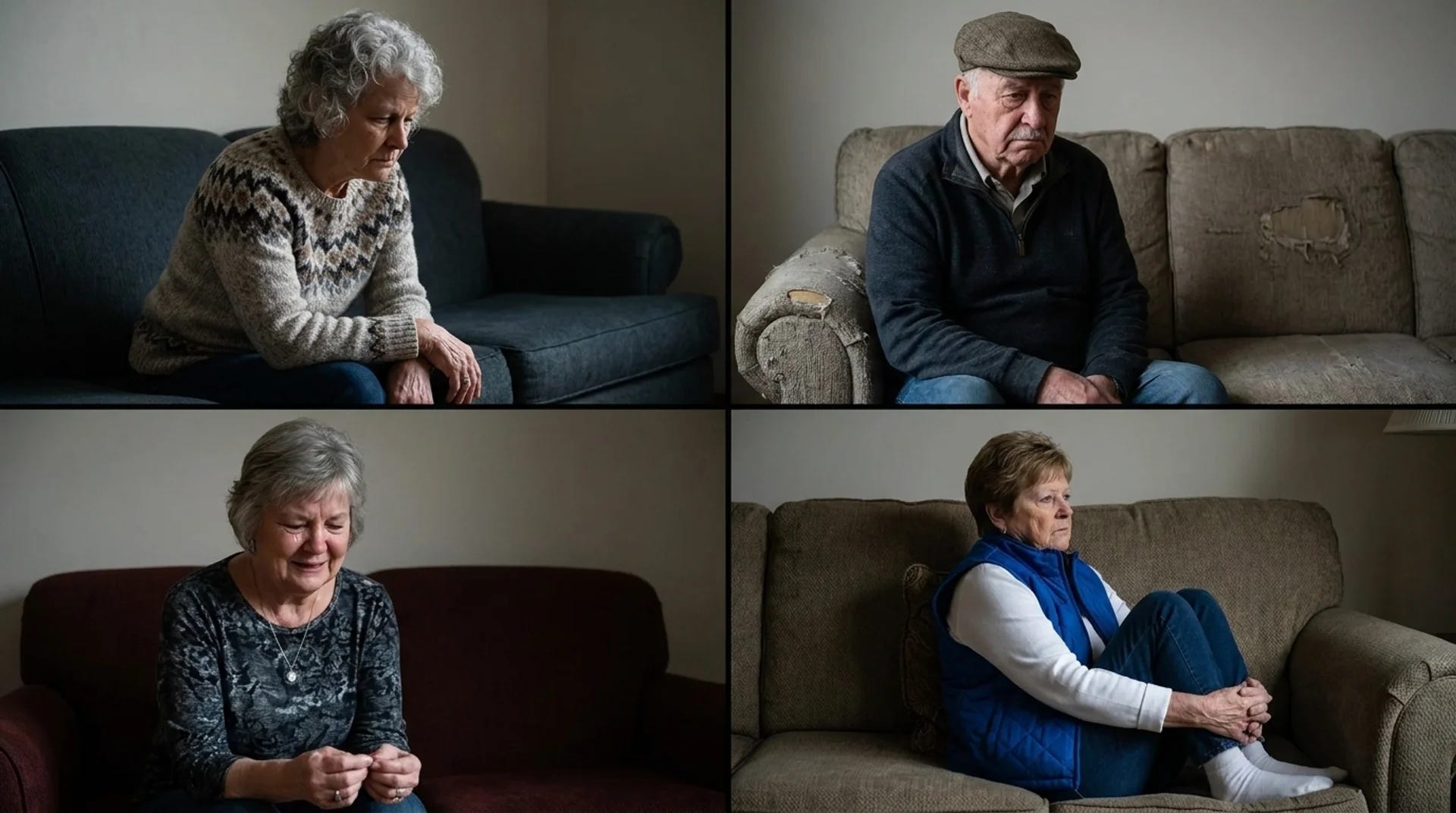
The result is a compounding spiral
Put those two things together and you get exactly the pattern we see: older relationships breaking down faster than they should, and no new relationships forming to replace them.
Each lost friendship makes the isolation worse, and the isolation itself tends to accelerate neurological decline further, because social engagement is one of the things that keeps the brain active and functioning.
It becomes self-reinforcing. Lonelier leads to more decline, more decline leads to lonelier.
Case study: My dad’s friend
Awhile back my dad told me a sad story.
There was a friend in his town that he’d spent a lot of quality time with the past few years as they enjoyed talking with each other and both had a passion for old cars.
On top of this they were there for each other when they needed one another.
For example this friend picked up my father awhile back after he’d had hip surgery and helped run errands for him as he was recovering.
In turn my father had also returned the favor numerous times and made sure to always ‘show up’ when it was needed.
But for some reason a couple months back this friend reacted very badly to a casual joke that my dad had made during a phone call. According to my dad it was meant in an innocent way without hurtful intent and he would have never imagined that this friend would react in the way he did.
The friend, however, got very upset and went into silent mode. And despite several attempts to apologize my dad was rebuked.
The two haven’t spoken for a couple months already and my father is pretty sure the relationship is over forever.
But actually i warned my father that something like this would happen many months before it happened.
Because this friend had essentially resurfaced all of the teeth in his mouth around a year back. It was a very expensive dental job in which i believe crowns/implants were placed over everything to create a completely new, artificial occlusion.
Doing that is, in my experience, a complete disaster waiting to happen because it violates what I wrote here:

And so i told my dad straight up when he first told me of it… “your friend is likely gonna lose his shit one day.” Because the skull would essentially be caving in on the brain.
This over-reaction was exactly the type of thing I had in mind when I said it.
Because it usually plays out as a slow decline where the person is building up negative internal dialogue about the other person over time… and then finally it boils over and the relationship is damaged.
I did it numerous times during my early years of going in circles. Been there.. done that ;)
Oh well.. sometimes it sucks to be right.

Closing thoughts
I don’t think old-age loneliness is primarily a scheduling problem or a “kids don’t visit enough” problem, even though that’s the explanation everyone reaches for.
I think it’s downstream of the same biomechanical collapse I’ve been writing about — skull deflating, brain compressing, neurological function eroding.
The people who stay socially connected and emotionally steady into their 80s and 90s tend to be the same people who’ve held onto good structure.
The people who isolate and burn through relationships tend to be the ones whose structure collapsed the fastest.
It’s not about being a nicer or more resilient person.
It’s about whether the brain doing the social work is still structurally healthy enough to do its job.
Well, shoot, it does suck to be right on this. The neurological decline the entire developed world (save remote regions) is facing right now is absolutely staggering. What a gift the REVIV is for these reasons. I remain so grateful! At 53, my jaw, skull, and teeth are aligning in magical ways that I've never experienced (as you pointed out in a recent post, in a way so different than my teen years with braces, head gear, and retainers). And to think I found the REVIV through a facebook ad; I am so eager to spread the word about this!
Another sad fact is that as people age, their friends die off, too. If they can't make new friends and deal with who is still around, it can get very lonely -- especially if their mobility is restricted or if they live in a rural area like we do.
My FIL passed away at 93 in 2021. We lived next-door on the farmstead he'd been born on. He was good with people but this was also during the Covid debacle and just after his last sibling died -- his sister was 101. He was better than most his age, socially, but time and events aligned to finally make him lose his optimism and determination and he declined.