

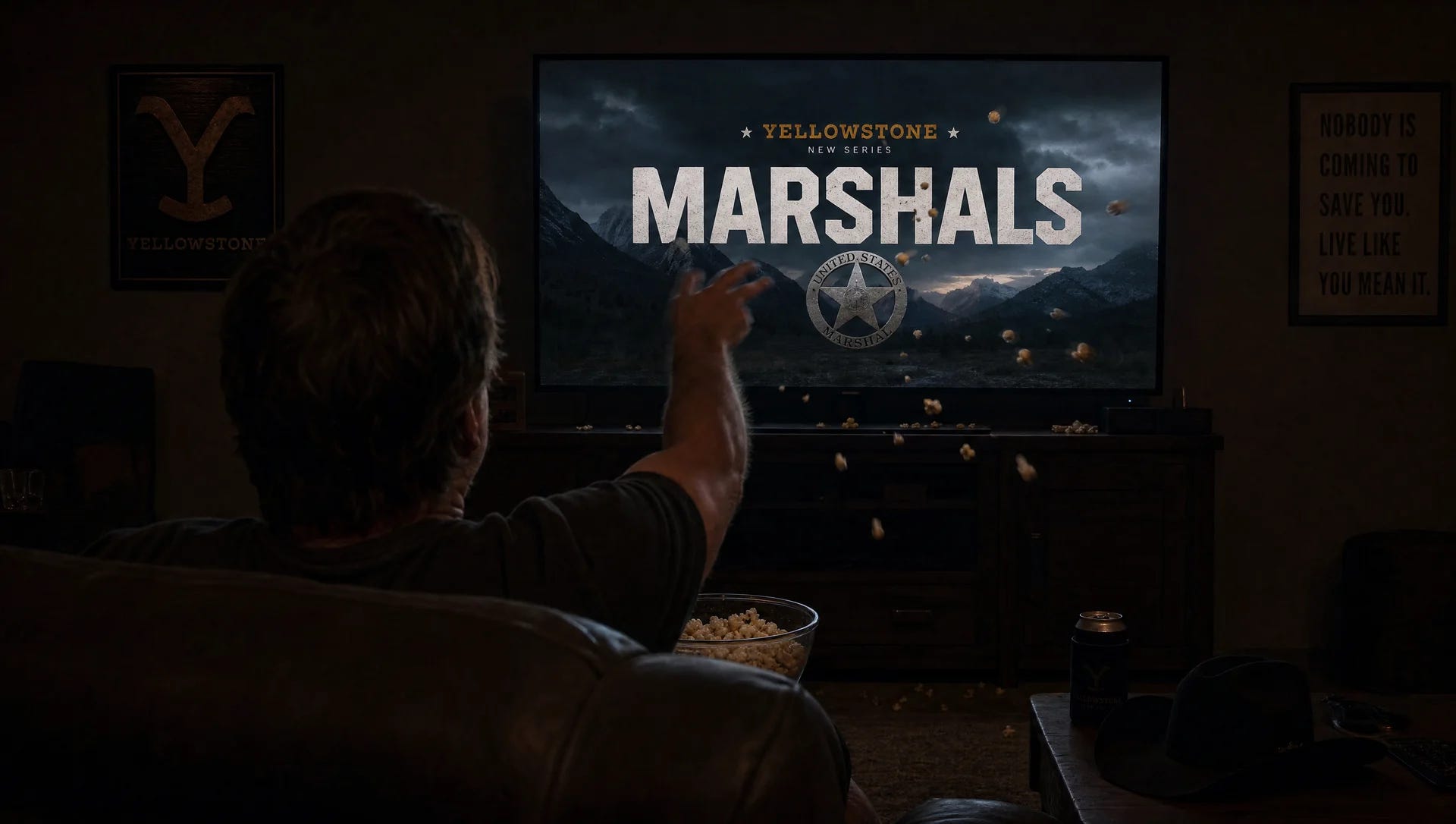
Something changed in my brain over the last few years.
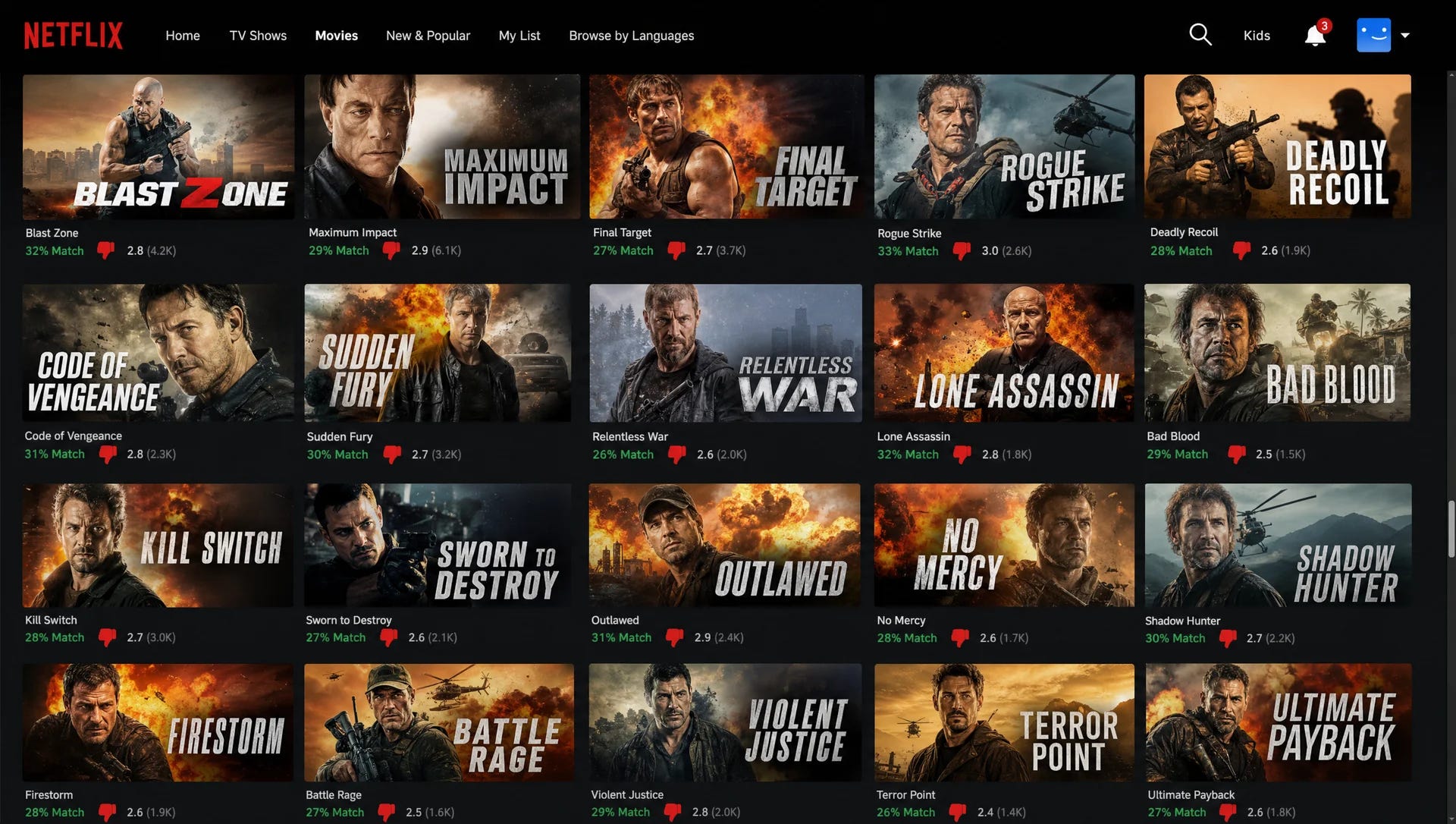
I noticed it a couple of months back as I was looking for new things to watch on Netflix.
It felt like i’d watched all the good stuff and so I was scrolling through various genres, like action films, but noticing that i’d watched most of it.
In particular I noticed that there were tons of stupid movies i’d watched, and it was all from a few years back (between 2021-23 roughly).
As I opened some of the titles to remember a bit about them, it hit me just how stupid some of them were. And I was scratching my head… “Did I really watch this crap? What the heck was I thinking?”
And it’s after i’d done that for awhile that I realized I think something had changed inside me.
I couldn’t bring myself to watch this mindless crap anymore.
I was interested in longer series with good IMDB scores and good character development.
So why the change?
Well, I literally think my brain changed. Now let me explain.
2021 - 2023 were my initial recovery years
I was in pretty bad shape in 2021.
Until the Fall of 2021 I was going through all of my old journals and iterating on my old ideas. I was on a mission to figure this biomechanical puzzle out.
Meanwhile it was COVID and I was working a contracting job that allowed me to work remote. I felt pretty fried by about 6pm every evening.
During that time I watched a lot of dumb stuff on Netflix mainly. Simple plots, lots of action, forgettable characters, and IMDb scores under 6.
I remember how I could just veg for 6-7 hours after I finished my work watching one dumb movie after another.
It was what my brain wanted.
It’s as if I wanted something that required nothing from me, with explosions and fights and no need to track who anyone was.
If a show had a deeper plot and made me think alot, I would often move on.
The whole point of watching something at the time was to allow my brain to relax. And so I chose the crap that allowed for that to happen.
2026 is a very different story
These days I can’t do it.
If I put on a dumb action movie I usually can’t watch more than ~10 minutes of it before I move on to something else.
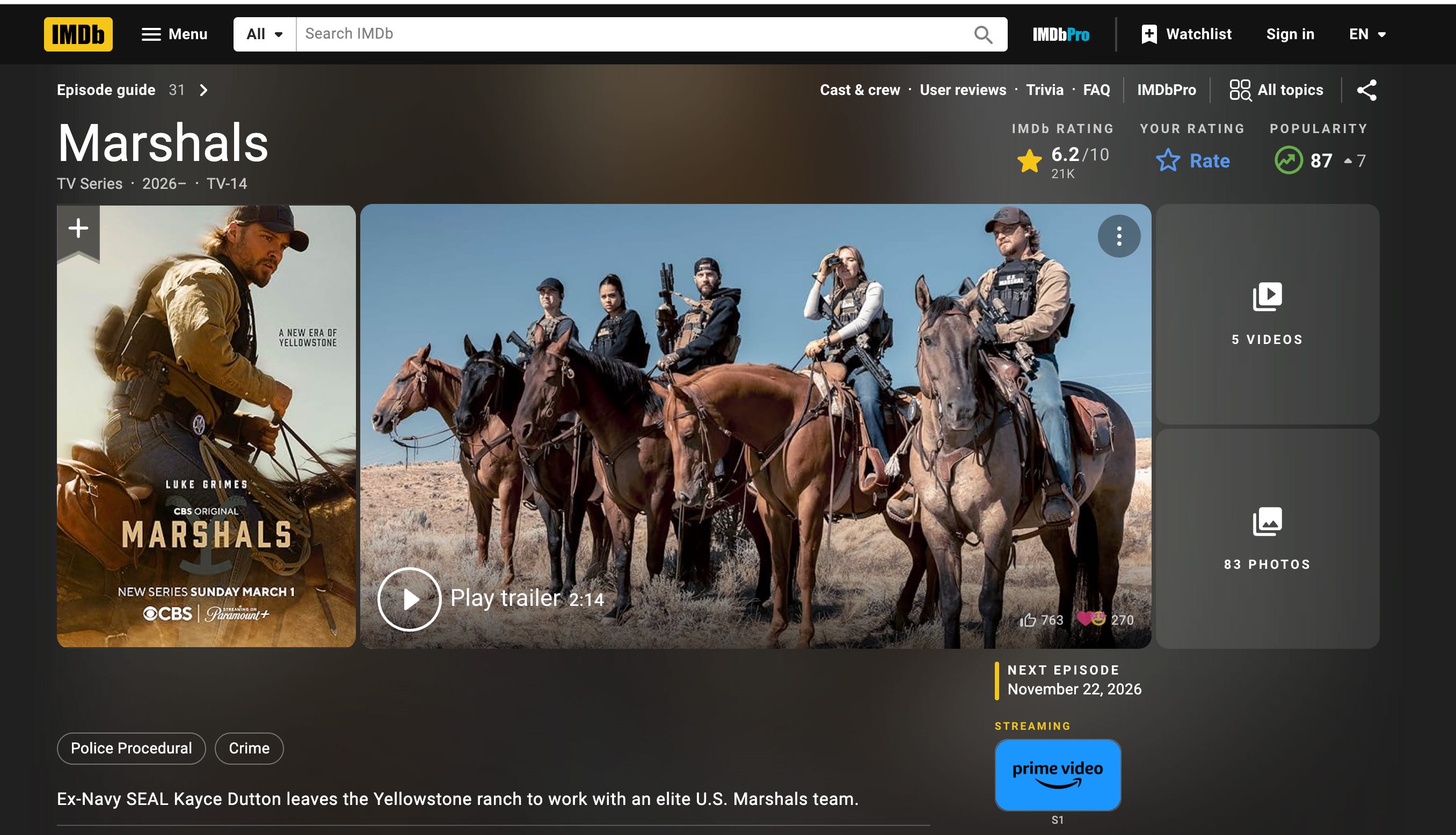
An example recently was this show above Marshals, which is one of the offshoots of Yellowstone series. The Yellowstone series, itself, is one of the better shows of the past decade in my view.
Great actors (eg. Kevin Costner), great acting, great character development, great plots, etc.
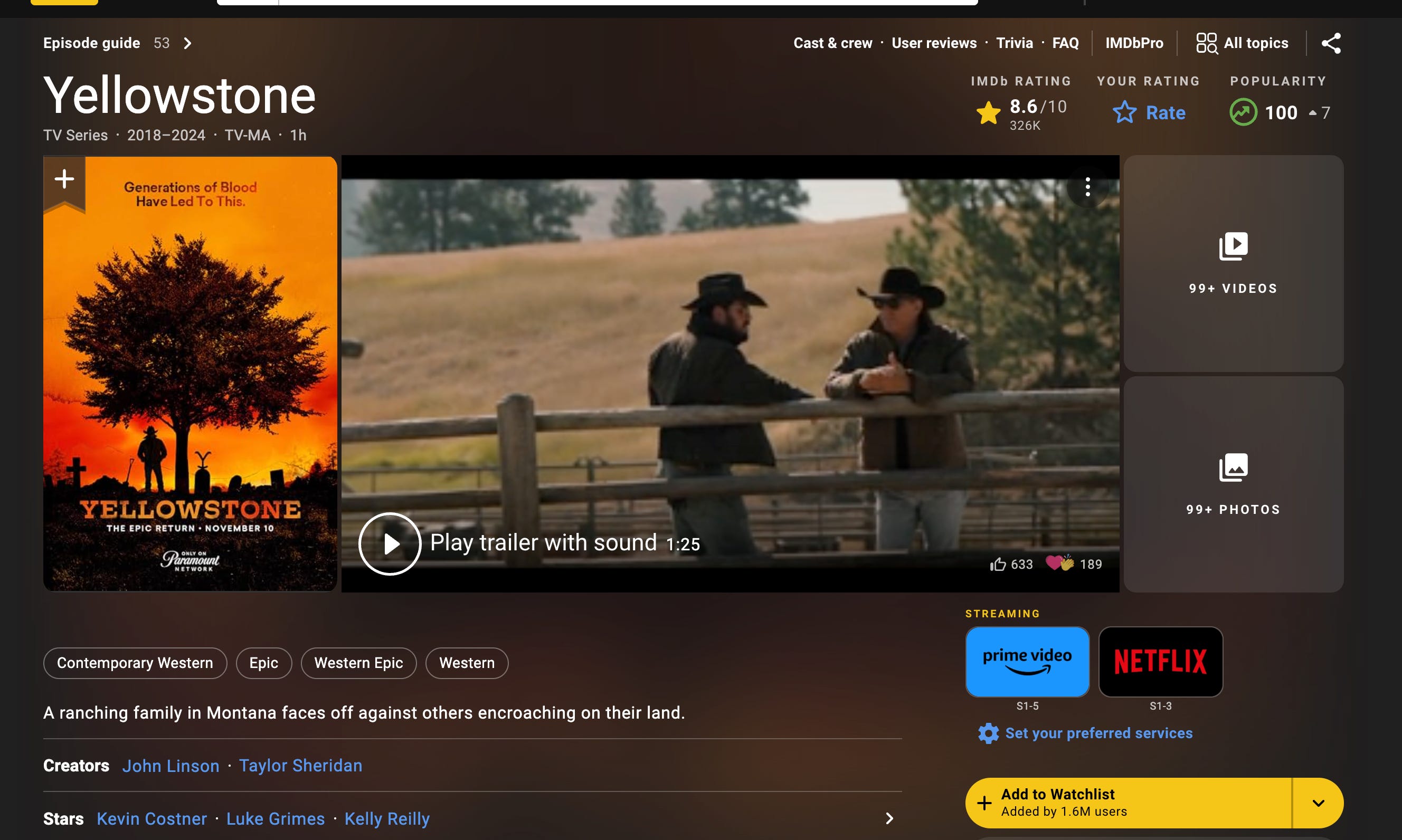
And so I figured Marshals would be more of the same, but with a lot more action.
After all the main character ‘Kayce Dutton’ was the ex-SEAL badass from the Yellowstone series who always seemed to be able to mow down the bad guys with ease.
But after the first 1-2 shows of Marshals I just couldn’t take it anymore. The plot and the acting were just bad.
And so I moved onto something else despite the fact that this Marshals series would have been exactly the type of thing I would have enjoyed watching between the years of 2021-23.
What I think happened
I think my brain appreciates character development and more intellectually stimulating plots now because it can actually process it.
Following a good drama is cognitively demanding. You have to hold a lot in your head at once, read other people’s motives from small cues, remember what a character wanted three episodes ago, and think about how they’ve changed.
That’s a lot of the same skills required behind reading a room and keeping friendships going, which I wrote about in “Why old folks end up lonely.”
When the brain is working under compression, that machinery is strained, and dumb entertainment is the relief. It asks nothing of you.
Over the last five years I’ve been unwinding a lot of structural collapse, and I think the brain inside my skull has a lot more room to work than it did in 2021. What I notice is that the appetite for complexity has returned on its own.
The same change that made me need less coffee and made forming new relationships easier also changed what I enjoy watching.
I’m not claiming this is proven. It’s what I’ve observed in myself, and I think it points to something worth looking at.
What this might mean for millions of other people
Here’s the part that interests me most.
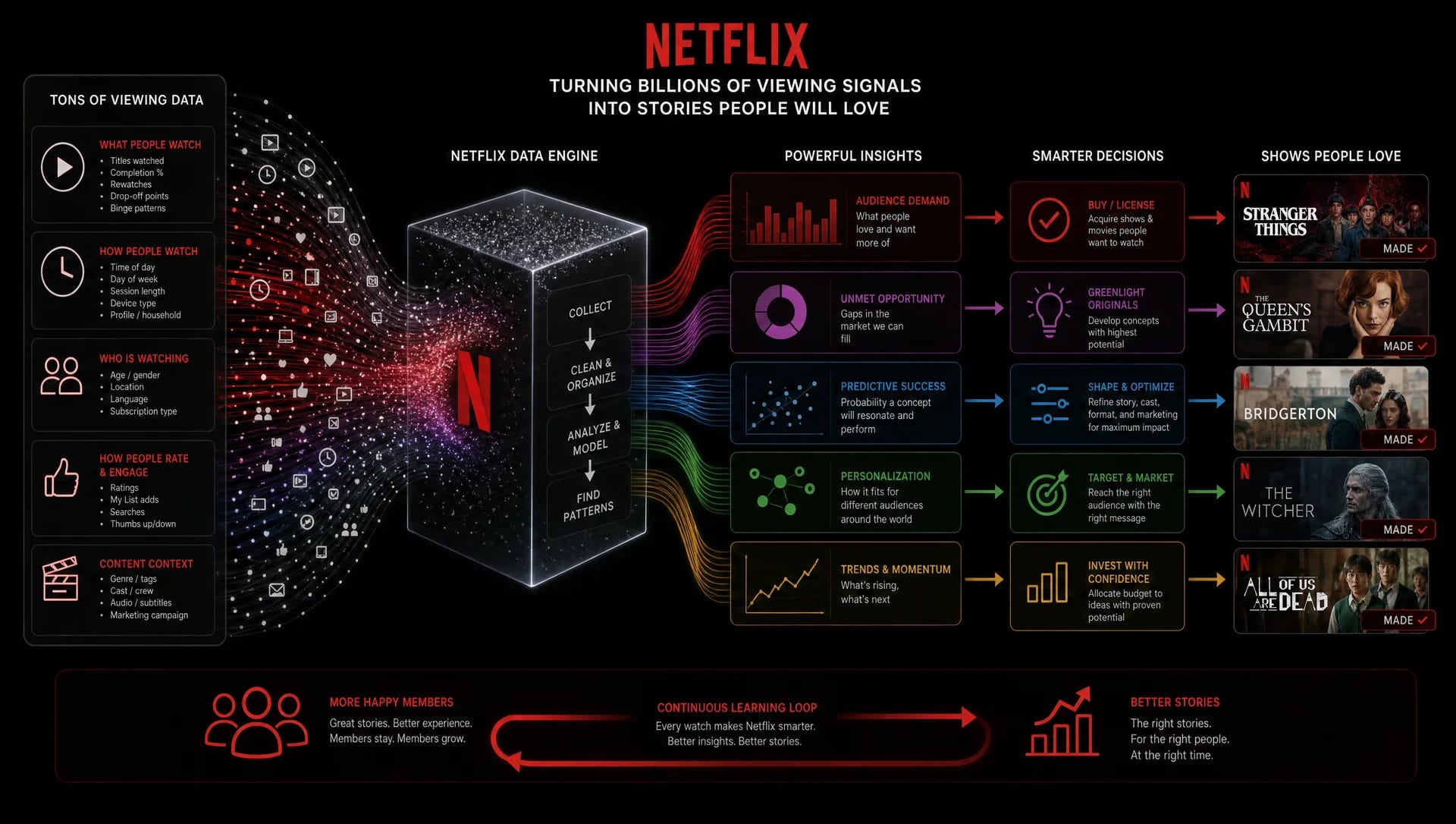
If taste is partly a readout of neurological capacity, then the biggest company in streaming is sitting on one of the largest datasets of that readout ever collected, even if it would never describe it that way.
Netflix can’t see anyone’s skull. But it can see what hundreds of millions of people press play on, how long they stay, and what they finish.
Its own figures tell a consistent story. Puck’s 2024 analysis found that seven of Netflix’s ten biggest films ever were action movies with A-list stars, two more were thrillers, and only one, Don’t Look Up, was anything else.
The pattern held in 2026: its first-half report was led by War Machine with 147 million views, followed by The Rip, Apex, and Thrash, all action or thriller films.
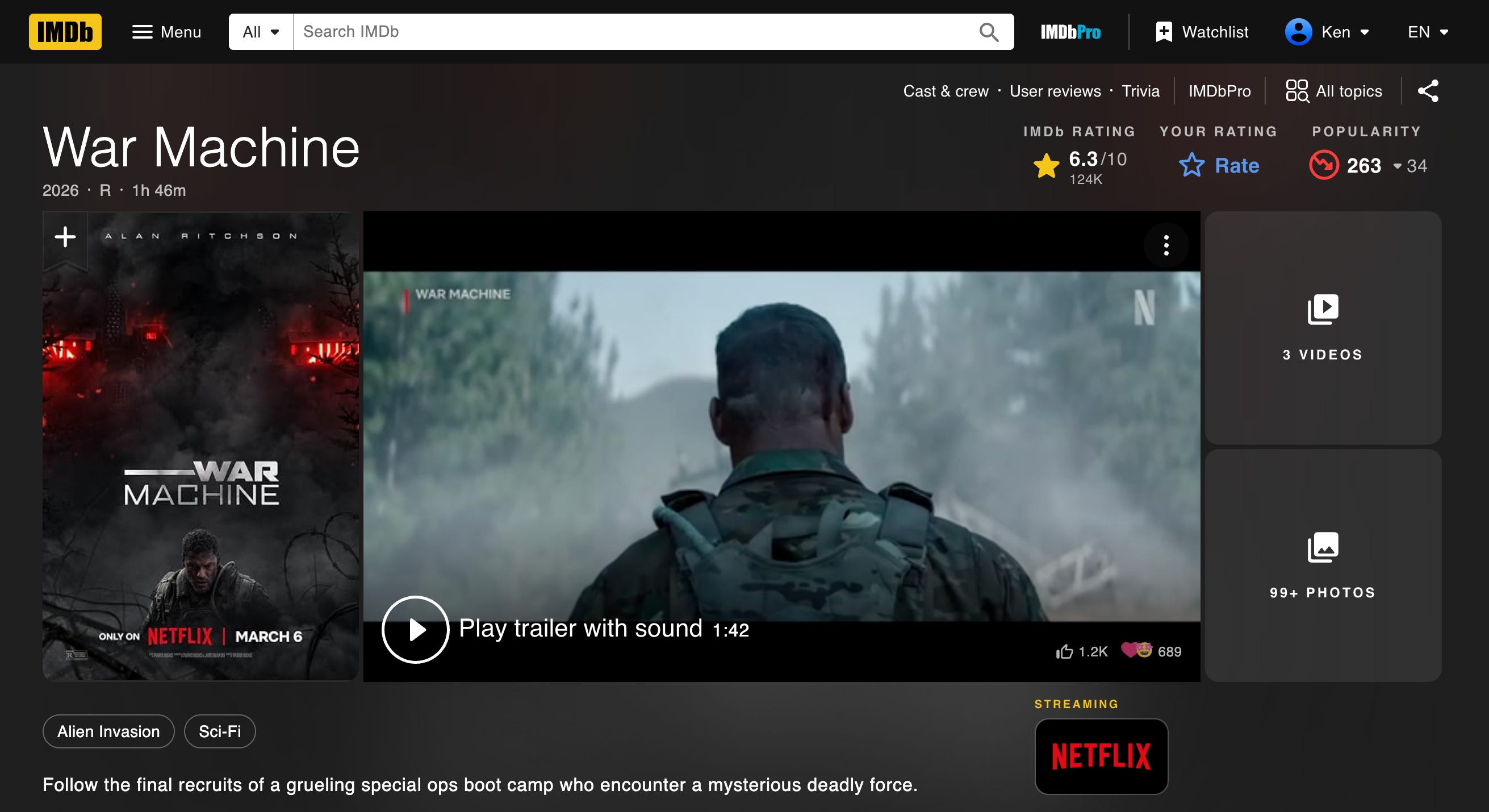
I don’t know if you’ve watched War Machine (imdb 6.3 score) but I have (or rather tried). And I was actually quite excited about it as I really like it’s main actor, Alan Ritchson, from the Reacher series (imdb 8.0 score).
However I didn’t make it past the first ~30 minutes of War Machine. It was just too stupid. And so it shocks me that that is Netflix’s top performing content of 2026 so far.
For me it is almost like a reflection of just how biomechanically damaged Americans are!! lol
Note that Netflix says viewing time is its core measure of engagement, because it drives retention and recommendations.
The company has been adjusting to that signal.
A 2024 study of 658 Netflix original films found that a third were recycled material such as sequels, remakes, and adaptations, and that the share rose steadily from 2015 to 2022.
Critics now talk about “algorithm movies” that are easy to follow, star-driven, and built to travel across borders. A slow, two-and-a-half-hour character study might win a 95% critic score and attract a small audience, while a generic 110-minute action film can pull 100 million viewers.
My read is that Netflix has done what the data told it to do: serve the median brain.
If a large share of viewers are tired, overloaded, or working with little cognitive headroom, they’ll reach for low-effort entertainment, and the engagement numbers will say so. Netflix doesn’t need to know why. It only needs to follow the viewing time.
That’s also why I think the same system would turn around if the audience did.
If more people’s capacity improved, as mine seems to have, the engagement data would start rewarding character-driven drama, and Netflix would follow it. The company would be a lagging indicator of how people are doing, not a cause.
How do films now compare to 70 years ago?
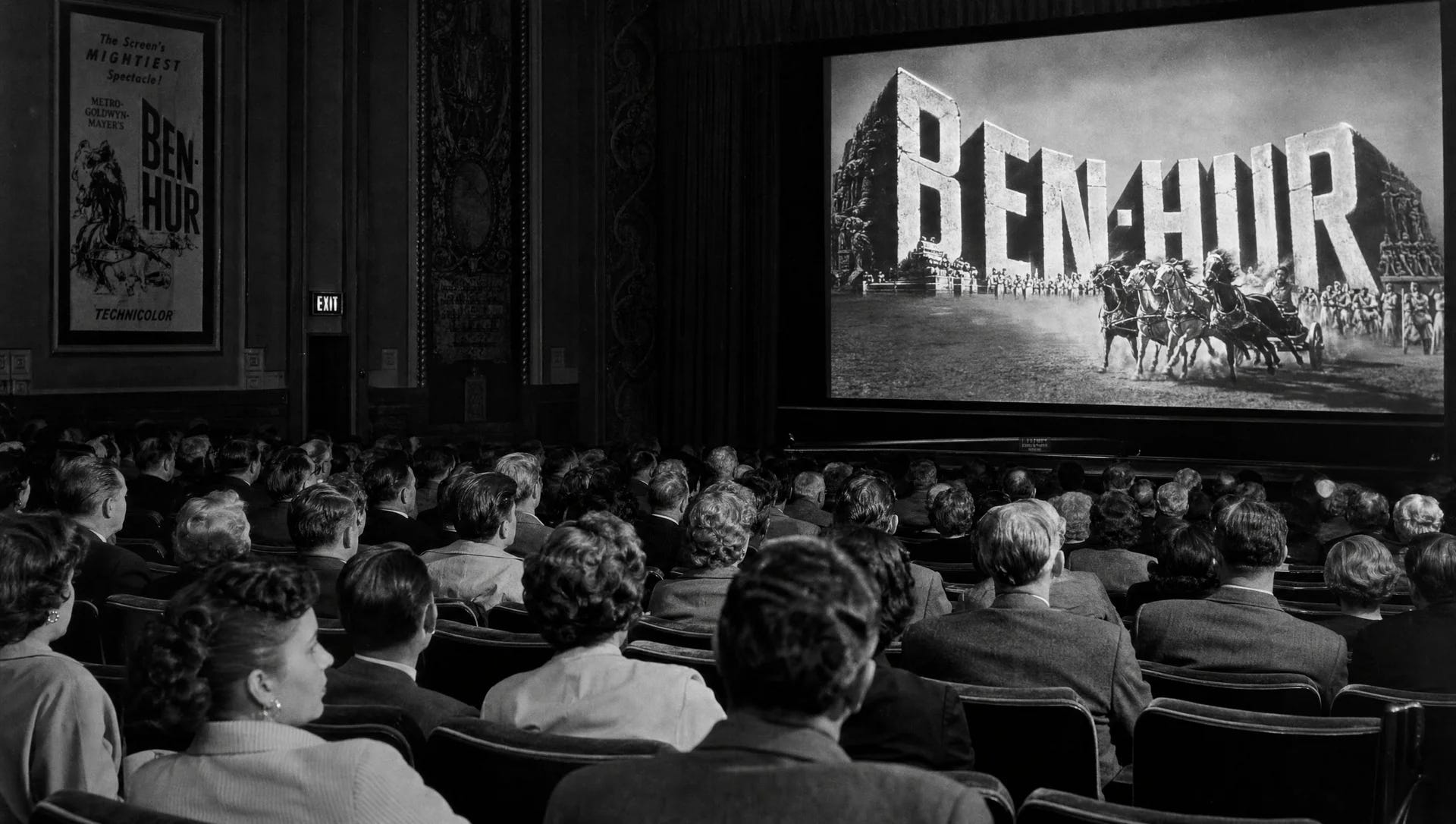
Look at what topped the box office in the 1950s and 60s.
The Sound of Music was the biggest film of the 1960s, followed by The Graduate, Butch Cassidy and the Sundance Kid, and My Fair Lady. West Side Story led in 1961. These are stories built around people: their relationships, their choices, and how they change.
Even the big spectacles of the era were built on a central character. Ben-Hur, which became the second highest-grossing film ever at the time of its 1959 release, is a revenge story about one man’s transformation.
Spartacus and Lawrence of Arabia, the top films of 1960 and 1962, are character studies at epic scale. The scale was the packaging. The story was a person.
Now look at today’s list. By Netflix’s own numbers, seven of its ten biggest films ever were action movies with A-list stars, two more were thrillers, and its first-half 2026 charts were led by action and thriller films.
That’s a clear shift in my view.
Seventy years ago, mass audiences paid in huge numbers for stories that demanded attention to character. Today the top of the chart rewards stories that demand almost none.
If taste is partly a readout of neurological capacity, as I believe, then the shift in what millions of people choose is exactly what you’d expect to see as that capacity declined.

Closing thoughts
I used to think my taste was a personality trait. Now I think it was partly a symptom.
If so, then when someone says they can’t stand slow, quiet, character-heavy shows, it might not mean they have bad taste. It might mean their brain isn’t functioning very well.
And if biomechanics brings that function back, the appetite for depth comes back with it.
What I am saying above is far from proven.
But I’d bet that if millions of people improved their biomechanical structure, we’d see the viewing data move in a way it hasn’t yet.
And I wouldn’t be surprised if our tastes start to move back towards what it was in the 1950s and 60s. Because Americans were just a lot healthier back then.
Good observations, I think I've experienced the same. I've also found that spending time on tv shows & movies in general has become a somewhat less entertaining activity throughout acquiring better brain health.
This is something I've experienced too, to an extent (I've never personally liked or consumed mainstream media in general lol).
Now I'm curious if you'd enjoy some stuff I like, like Digital Circus hahaha