

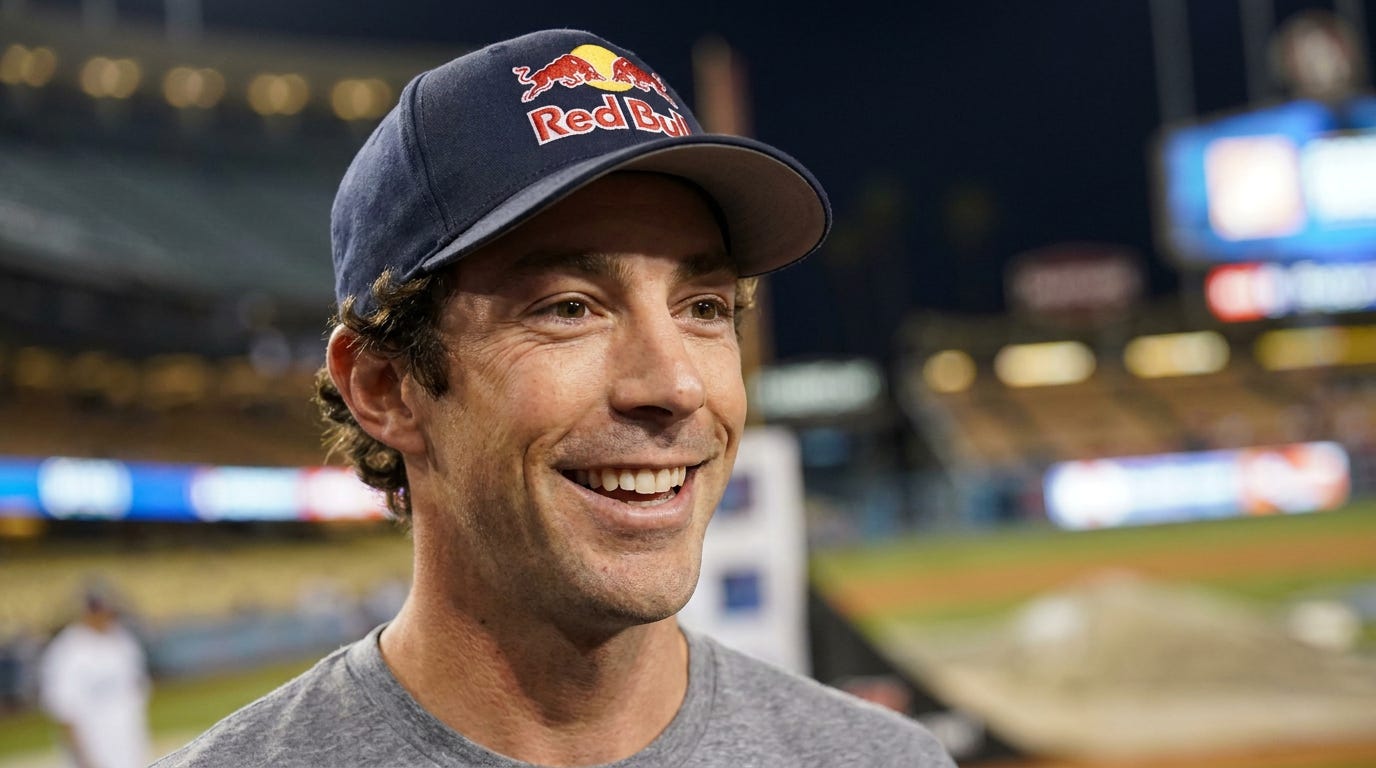
Most people look at Travis Pastrana and think: that guy is insane. And they’re not wrong.
But there’s something else going on with Travis that almost nobody talks about — and that is the foundation that allows him to take all the damage from the crazy stuff he does and bounce back from it.
It’s not luck.
In my view it’s clearly biomechanics.
Who is Travis Pastrana
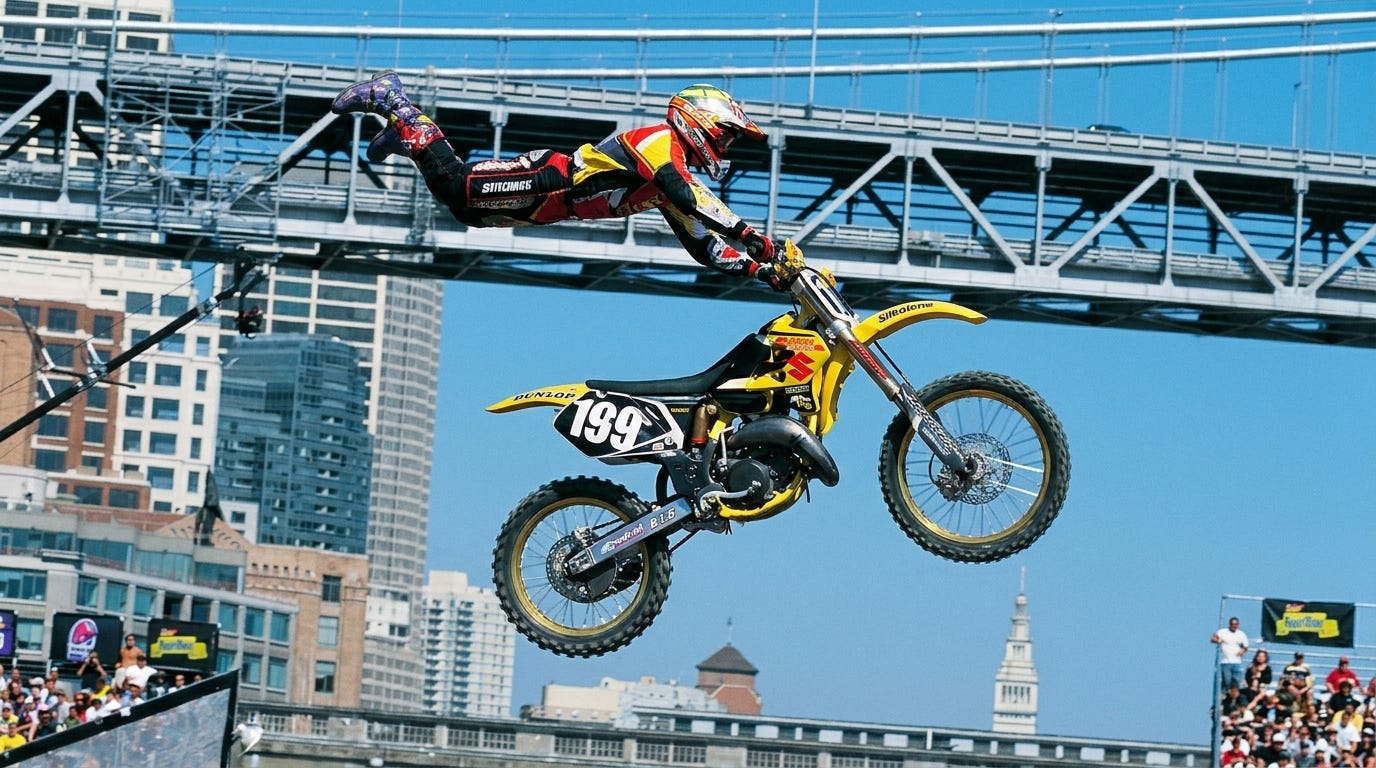
Travis Pastrana is an American professional athlete known for his success across multiple disciplines — freestyle motocross, rally racing, NASCAR, and stunt performance. Born in 1983, he was competing nationally on a dirt bike before most kids have their driver’s license.
He rose to prominence in the early 2000s, winning titles in the AMA Motocross and Supercross 125cc divisions in 2000 and 2001. He became a multi-time X Games gold medalist and achieved numerous milestones in freestyle motocross, including being the first person to land a double backflip in competition in 2006.
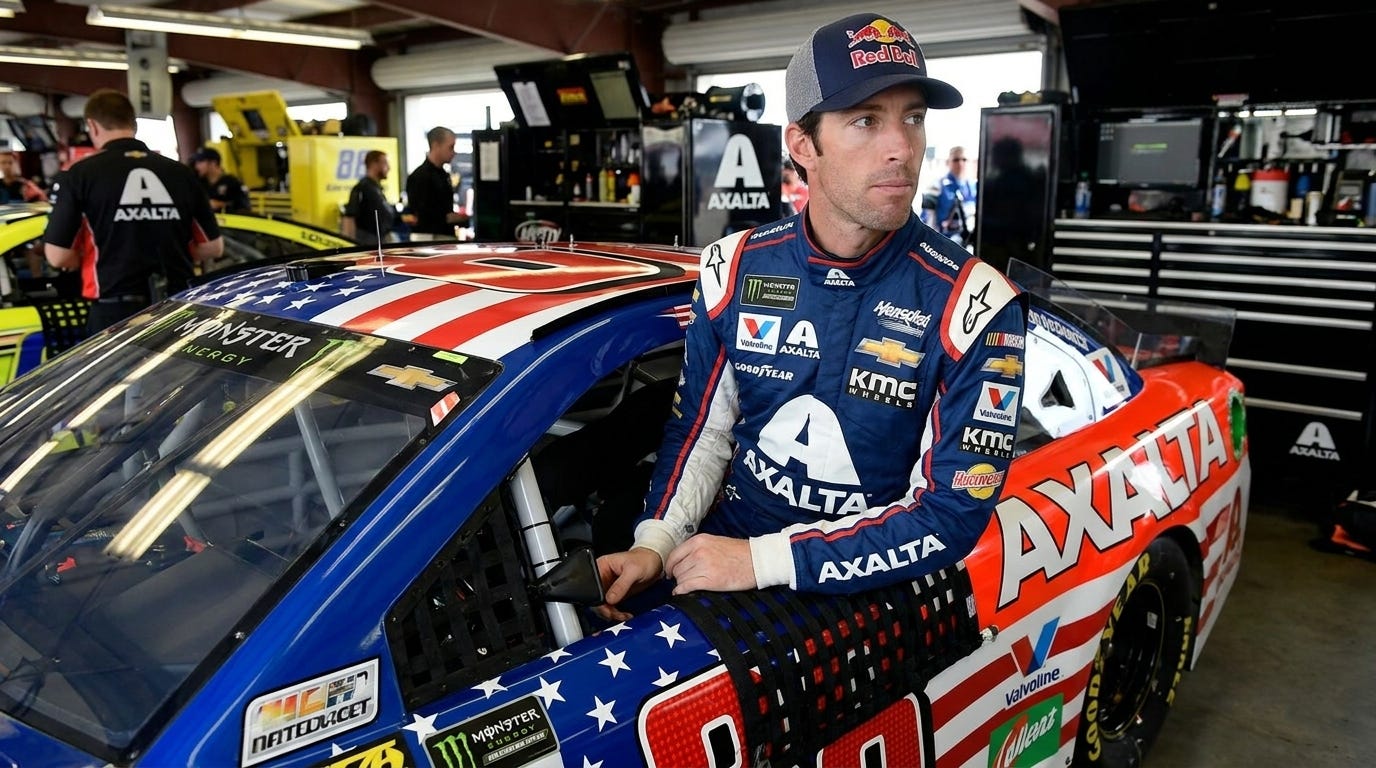
The achievements kept stacking. He became a four-time Rally America champion, competed in NASCAR’s Nationwide and Truck Series, co-founded Nitro Circus in 2003, and in 2018 paid tribute to his childhood hero Evel Knievel by successfully completing three record-breaking jumps in a single night — 52 cars, 16 buses, and the Caesars Palace Fountain — for a total of 484 feet of jumps. In 2022 he added a World Powerboat Championship to the list.
By any measure, Travis Pastrana is one of the most decorated action sports athletes who ever lived.
Travis has damaged himself a lot
Here’s where it gets hard to believe.
According to a 2019 interview, Pastrana has broken more than 90 bones and suffered more than 25 concussions.
Just have a look at some of his crashes in the video above and you get an idea for how he managed to do all of that.
There is a fan-maintained webpage dedicated to tracking his cumulative injuries. The list includes: seven broken wrists, fifteen knee surgeries, four tibia plateau fractures, a separated shoulder three times, a broken left foot, a broken right foot, a broken left tibia and fibula, a dislocated kneecap, torn ACL, PCL and LCL, a broken pelvic bone, multiple hip fractures, a dislocated spinal column, internal bleeding, and a broken left elbow.
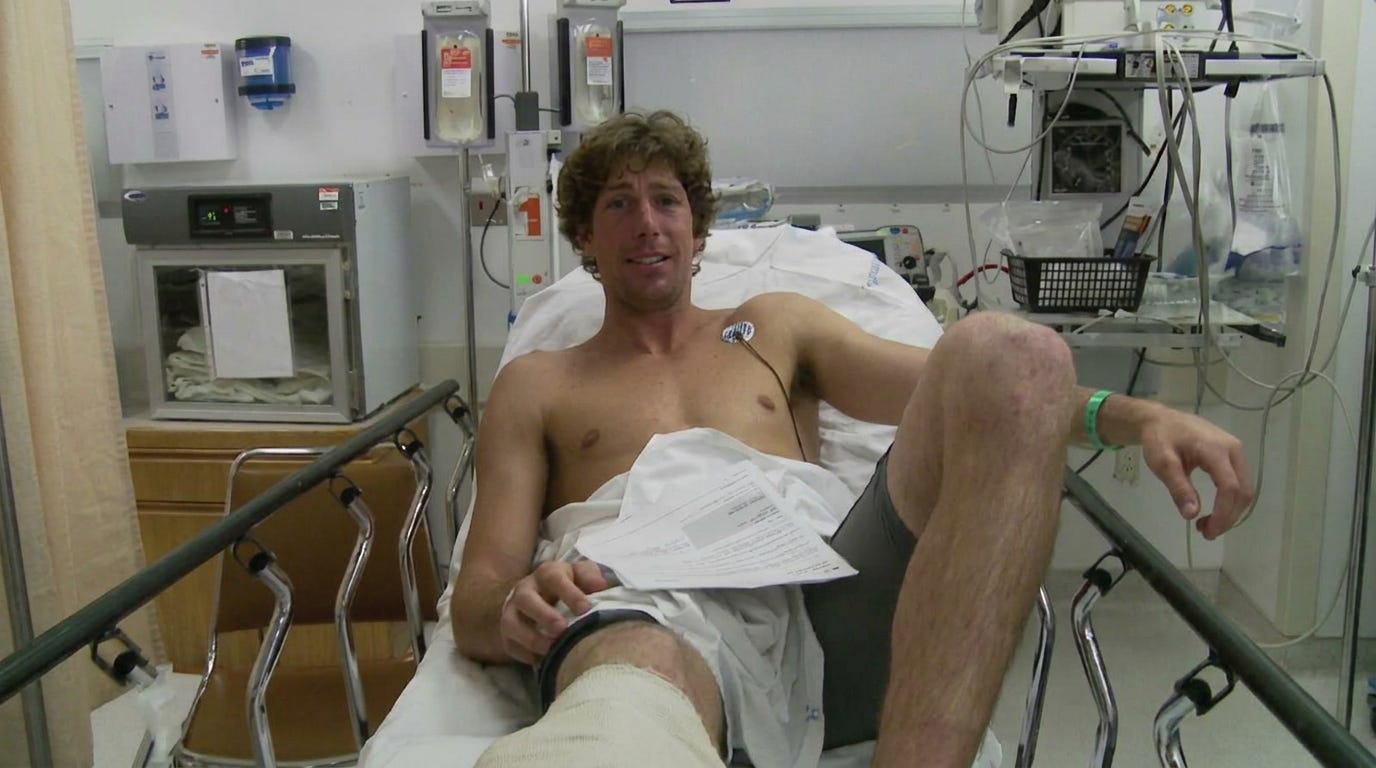
At age 14, a jump went so badly wrong that his spine actually separated from his pelvis. He was left in a wheelchair for five months. “I was the third known person to have suffered that injury,” he said, “and the other two were both paralyzed — I was very lucky.”
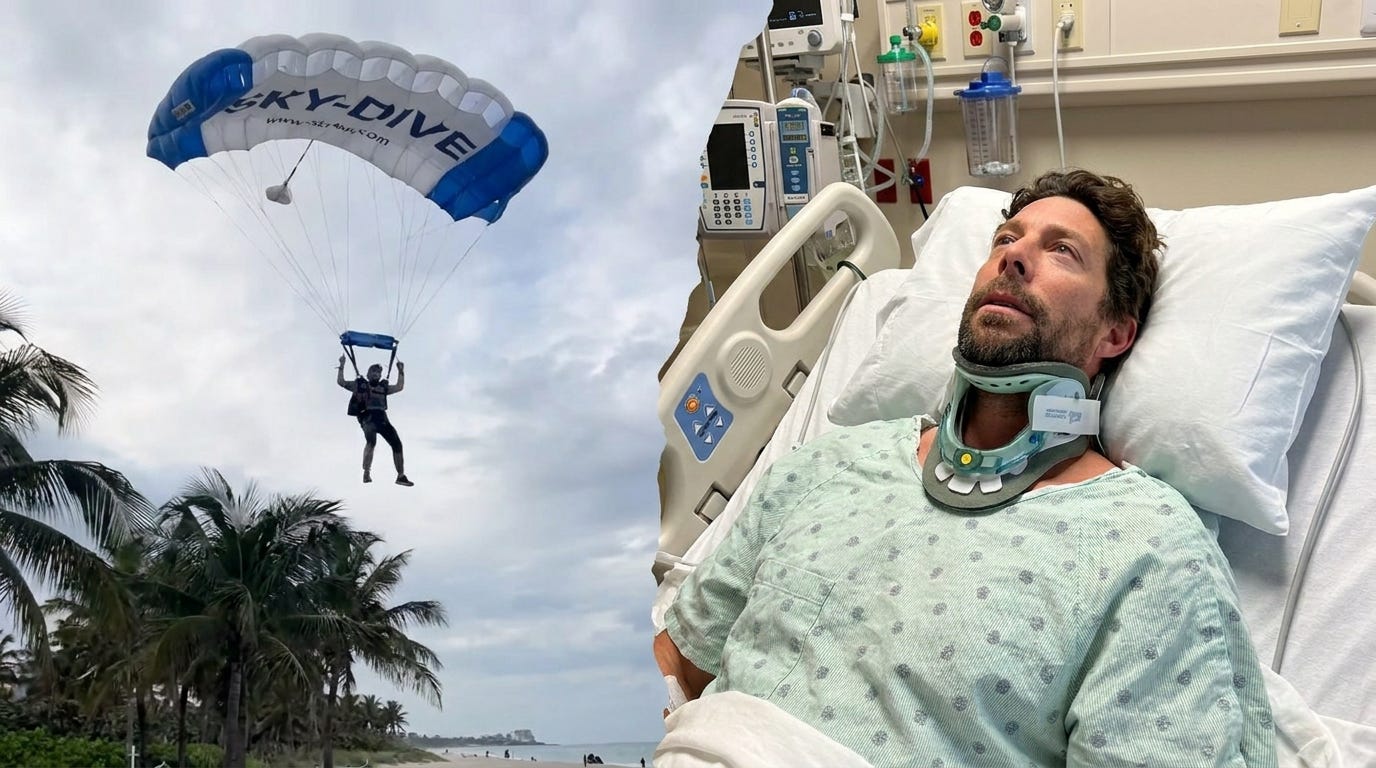
In 2022, he was seriously injured again while base jumping in Fort Lauderdale, breaking his pelvis — which he had broken multiple times before — and nearly bleeding out.
By his own account: “I’ve been out cold on film about 30 times. Broken bones is a hard one to keep track of.”
This is a human body that has been through things most people cannot fathom.
But he’s always recovered quickly
Here’s the thing. Travis Pastrana has not just survived all of this — he has repeatedly bounced back and gone right back to competing at the highest level.
After his near-fatal spinal separation at 14, which put him in a wheelchair for five months, he bounced back so fast that nurses were marveling at his recovery rate. His doctor acknowledged at 16 that he was “at the pinnacle of physical conditioning” and would “have to do something very foolish not to heal.”
He delayed shoulder surgery for nearly a decade — despite his shoulder popping out of its socket multiple times per race — because he didn’t want to miss four months of competition. When he finally had it done in 2012, he returned quickly.
After injuries from the 2022 base jumping incident, his publicist confirmed he was expected to make a full recovery — and he went on to confirm his tenth appearance at the Race of Champions in Sydney in 2025.
The pattern is relentless. Catastrophic injury. Rapid recovery. Back on track.
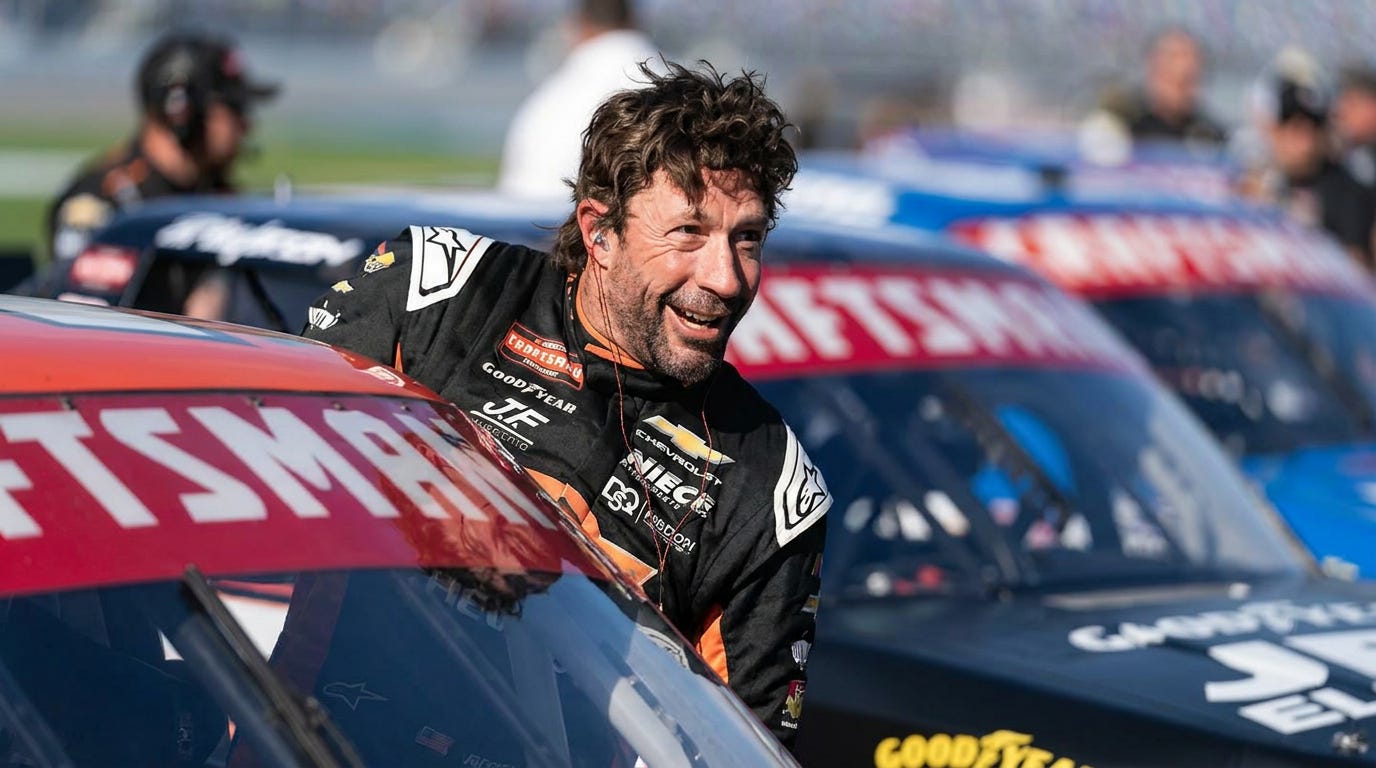
Now look at Travis Pastrana’s face. Wide jaw, solid structure, good symmetry. The kind of skull that reflects a body that is fundamentally sound underneath. And I don’t think those two things — the rapid recovery and the structural condition — are a coincidence.
Good biomechanics make recovery faster and easier
I’ve written before about the body’s capacity to heal itself.
My view is that the body is an extraordinary healing machine, but that capacity is very dependent on the structural condition it’s operating from.
When the skull is inflated and the bite is healthy, the spine sits properly, the nervous system functions without compression, blood and lymph circulate freely, and every organ in the body has the space it needs to do its job.
That’s the baseline from which healing happens.
When the skull deflates — through dental interventions, structural collapse, loss of vertical height — everything gets compressed and distorted. The body is fighting the distortion constantly, which means it has far less capacity left over for actual healing.
Recovery slows. Injuries linger. Surgeries don’t fully resolve. People end up in rehab for months doing exercises that don’t work because the underlying structural environment is never addressed.
Travis Pastrana has had that structural foundation working in his favor for his entire life. His body isn’t recovering despite the abuse it’s taken — it’s recovering because the platform underneath is solid.
The nervous system can communicate properly. The skeletal alignment means the body isn’t fighting itself. Resources go toward repair instead of compensation.
This is also, in my view, why you see athletes with poor biomechanics — narrow faces, collapsed spines, history of orthodontics — get one serious injury and never come back the same way.
The structure wasn’t there to support the recovery.
It’s not willpower. It’s physics.
I’ve experienced this on myself
Over the past decade i’ve seen this same pattern play out on myself time and again.
Less from major injuries like Pastrana, but more for small injuries and getting sick.
When my biomechanics were getting worse I was just far more susceptible to illness and getting injured.
When it was getting better…. getting ill seemed almost impossible and if I got injured it was typically a very rapid recovery.
In a way you even feel this in your gut. When I was not doing well my body was telling me to protect myself, get more sleep, etc because it knew that it was weak.
Whereas now as i’m improving these past few years my body generally tells me that I am very resilient. It can take damage and bounce back. I just feel it.

Closing thoughts
Travis Pastrana is one of the most injured athletes in the history of sport.
He’s also one of the most resilient. Most people credit the mental side — the toughness, the refusal to quit, the insane pain tolerance. And maybe that’s part of it.
But I think the bigger part of the story is the structure he was born with and has maintained.
A wide, well-developed skull.
A spine that, despite everything it’s been through, keeps returning to a functional baseline.
A body that heals fast because the environment it’s healing in is fundamentally sound.
The lesson here isn’t “be tougher.” The lesson is that if you want your body to recover from anything — injury, illness, surgery, stress — the most important variable is the structural condition you’re operating from.
Fix the biomechanics. The rest follows.
Reviv feels a bit like being in a video game & inputting an overpowered cheat code for vastly improved body recovery. At least in my experience—158 days into it. Years ago, I would need like 2-3 days or more of rest to properly restore myself after a workout session—now I can go without any real rest and still recover fast within a minute or two. The level of soreness I experience now post-workout has reduced by an absurd degree; it is a night-and-day type of difference. Biomechanics definitely helps to make more sense of figures like Travis Pastrana, who are capable of quickly recovering from serious injuries