

Here’s something that took me years to fully appreciate.
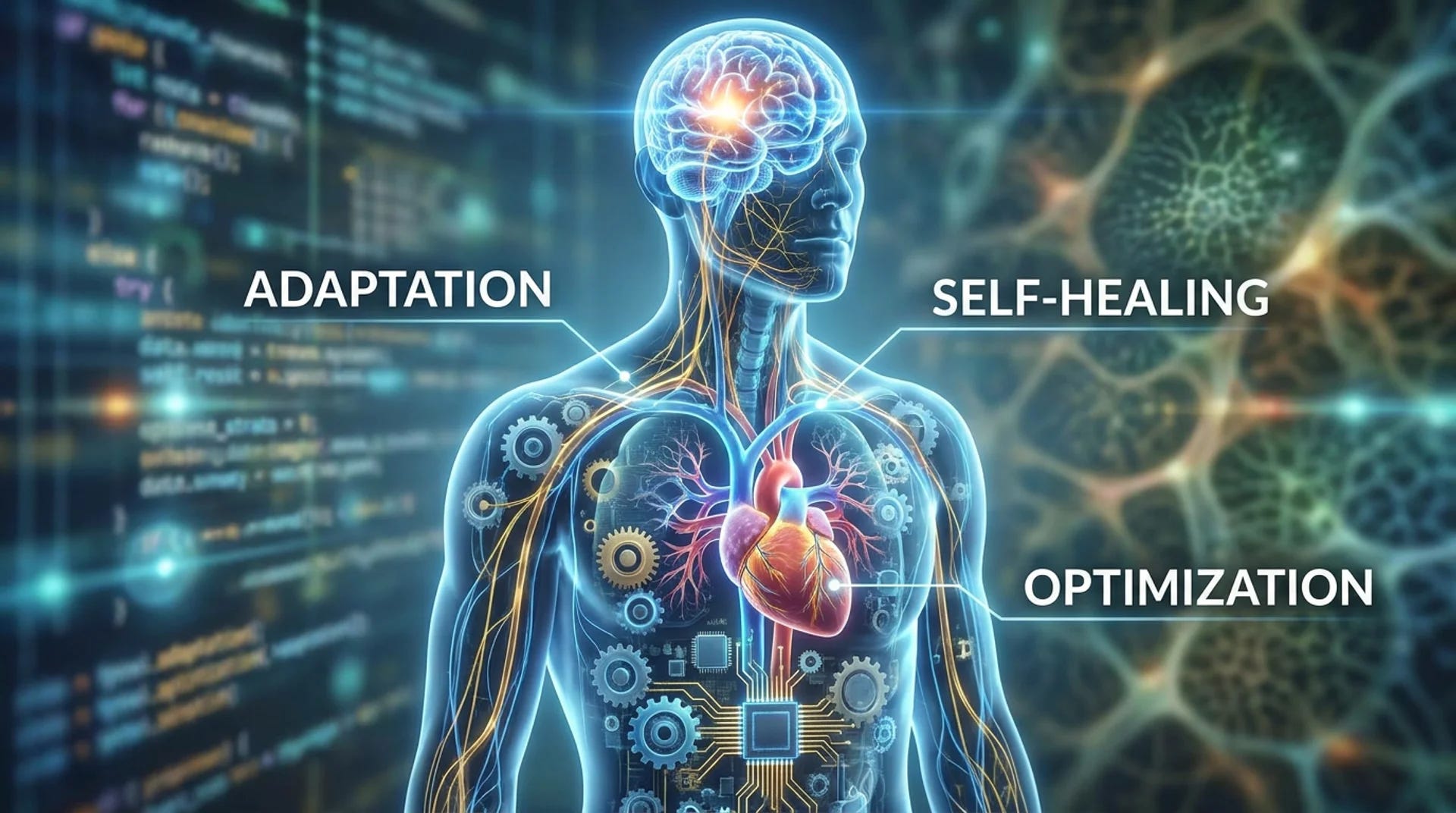
The body isn’t stupid. In fact, it’s extraordinarily intelligent. And one of the most underappreciated things it does is compensate — constantly, without you ever knowing — for structural issues that would otherwise cause problems.
The trouble starts when you override that compensation. And that’s exactly what modern dentistry does, over and over, to millions of people who think they’re improving themselves.
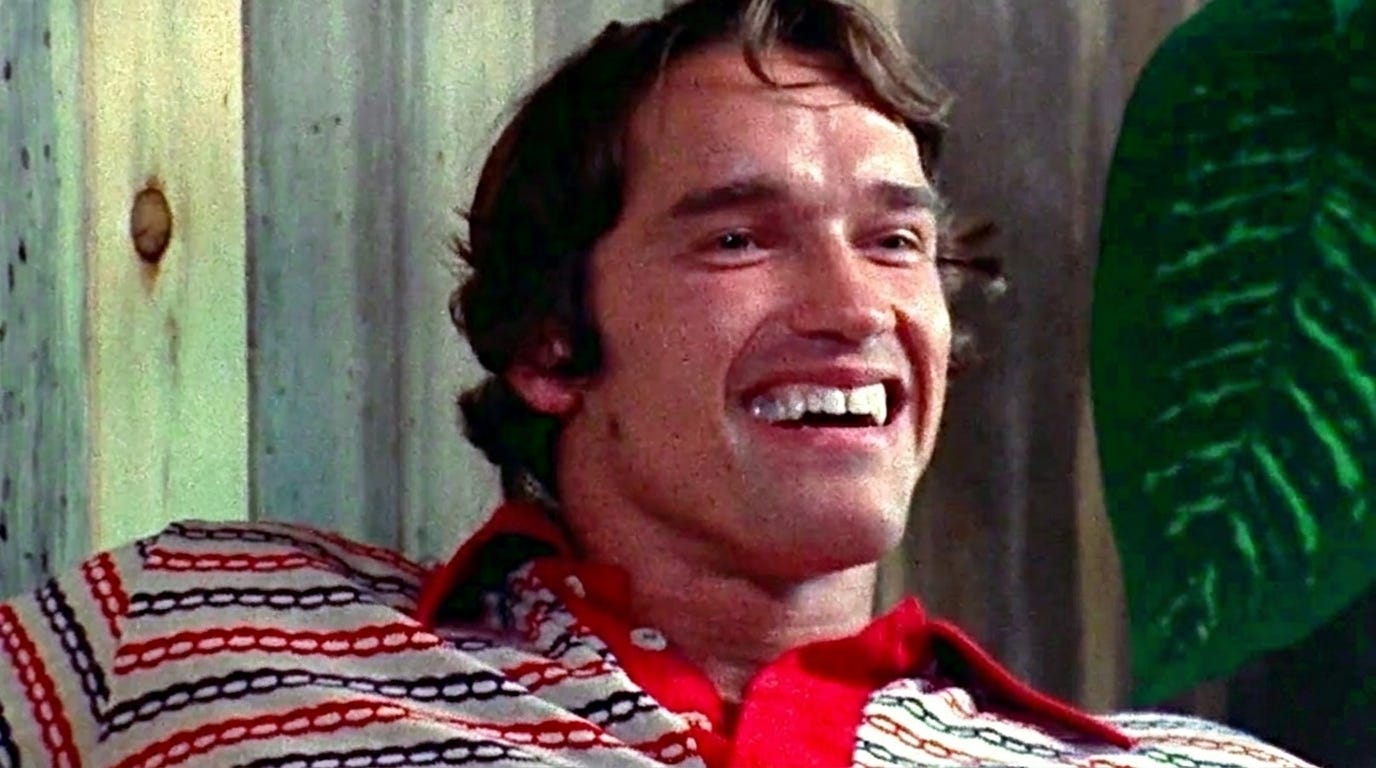
The body is extremely smart
You’ve probably met someone who has noticeably crooked teeth — real misalignment, not just slightly uneven — but who is physically impressive.
Great posture, strong body, good energy, solid presence. You look at their teeth and wonder how they got away with it.
A young Arnold Schwarzenegger is a good example of this (pictured above). Even when he was winning Mr. Universe bodybuilding awards, he had very clearly imperfect teeth.
So how is that possible? I mean have I not said in the past that teeth are a reflection of the skeleton?
Well the answer in my view is that the body compensates very well and finds its own equilibrium.
When teeth are crooked but natural…. the jaw, skull, and spine arrange themselves around whatever issues there are. It’s not perfect, but you don’t need perfect to still have a terrific, well-functioning body.
The soft tissue is a bit deflated but the skeleton was allowed to compensate on its own.
The nervous system has organized itself around it. The whole body has found a working solution.
This is nature doing what it does very well — solve for function within the constraints it’s been given.
People with naturally imperfect teeth can have great biomechanics, great neurology, great physical capability. Because even if the architecture isn’t textbook, it’s natural.
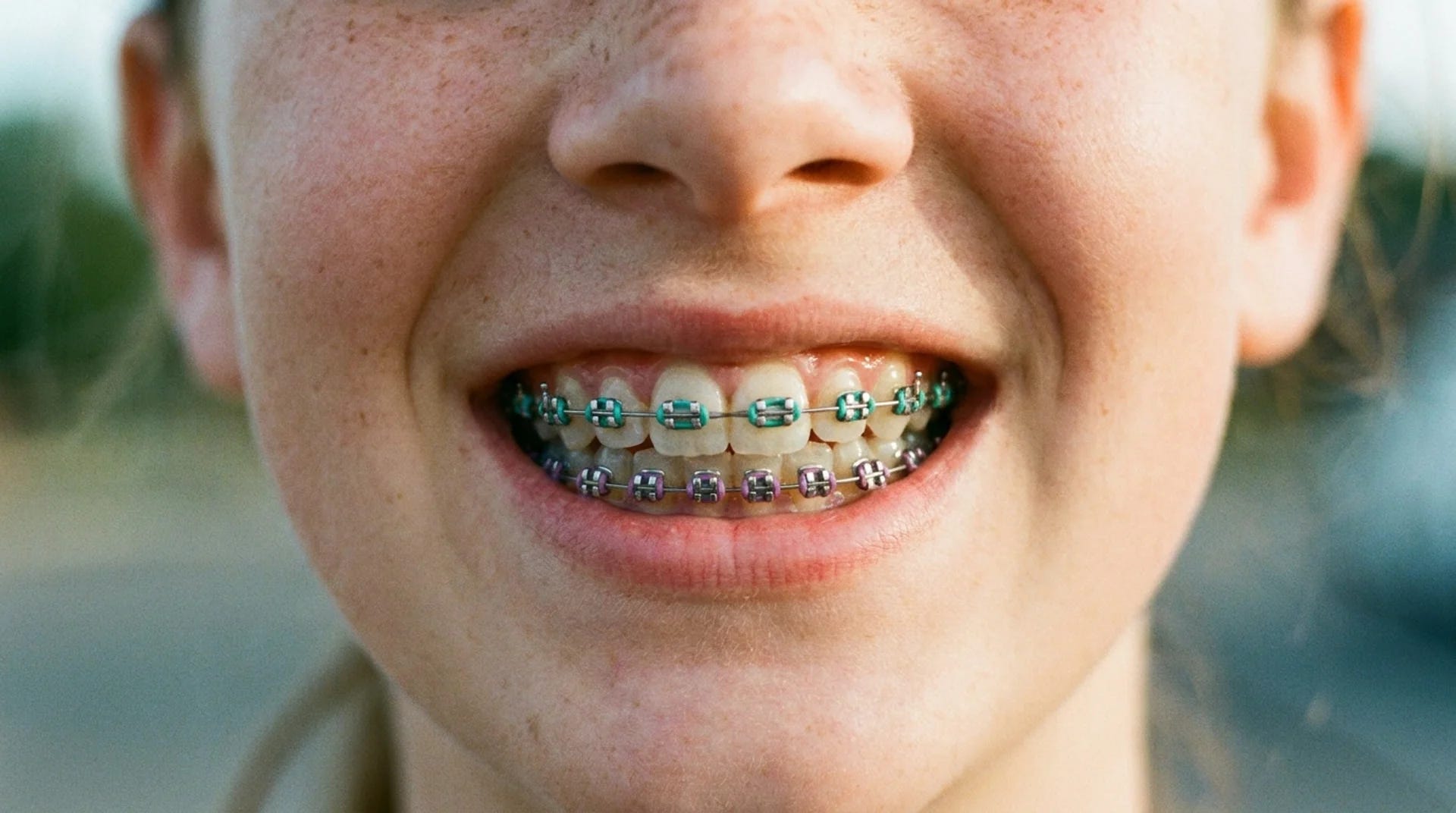
When you tamper with it, things go wrong
The problems begin the moment someone “fixes” their teeth.
The moment you put braces or aligners or pull teeth to create space, you are not improving on nature — you are overriding it.
The compensation system the body spent years building suddenly has suddenly had a sledgehammer applied to it.
The geometry it organized itself around is gone, replaced with something artificial that the skull, jaw, and spine were never prepared for.
And this new dental geometry is never biomechanically correct. Orthodontists think about alignment in two dimensions — they want the teeth straight when you look at them from the front.
They are not thinking about the curve of spee. They are not thinking about supporting multiple jaw positions. They are not thinking about what happens to the soft tissue surrounding the skull when they apply these artificial changes.
So you override the body’s compensation mechanism with something that isn’t just different — it’s structurally inferior. The skull starts to deflate. The spine starts to compensate for the new geometry, poorly. The whole system, which was working just fine, is now fighting against a disruption it didn’t choose and can’t fully resolve.
That’s what I call biomechanical collapse. And it’s what I see, over and over, in people who “fixed” their teeth and also spent a decade iterating on myself to figure out how it works.
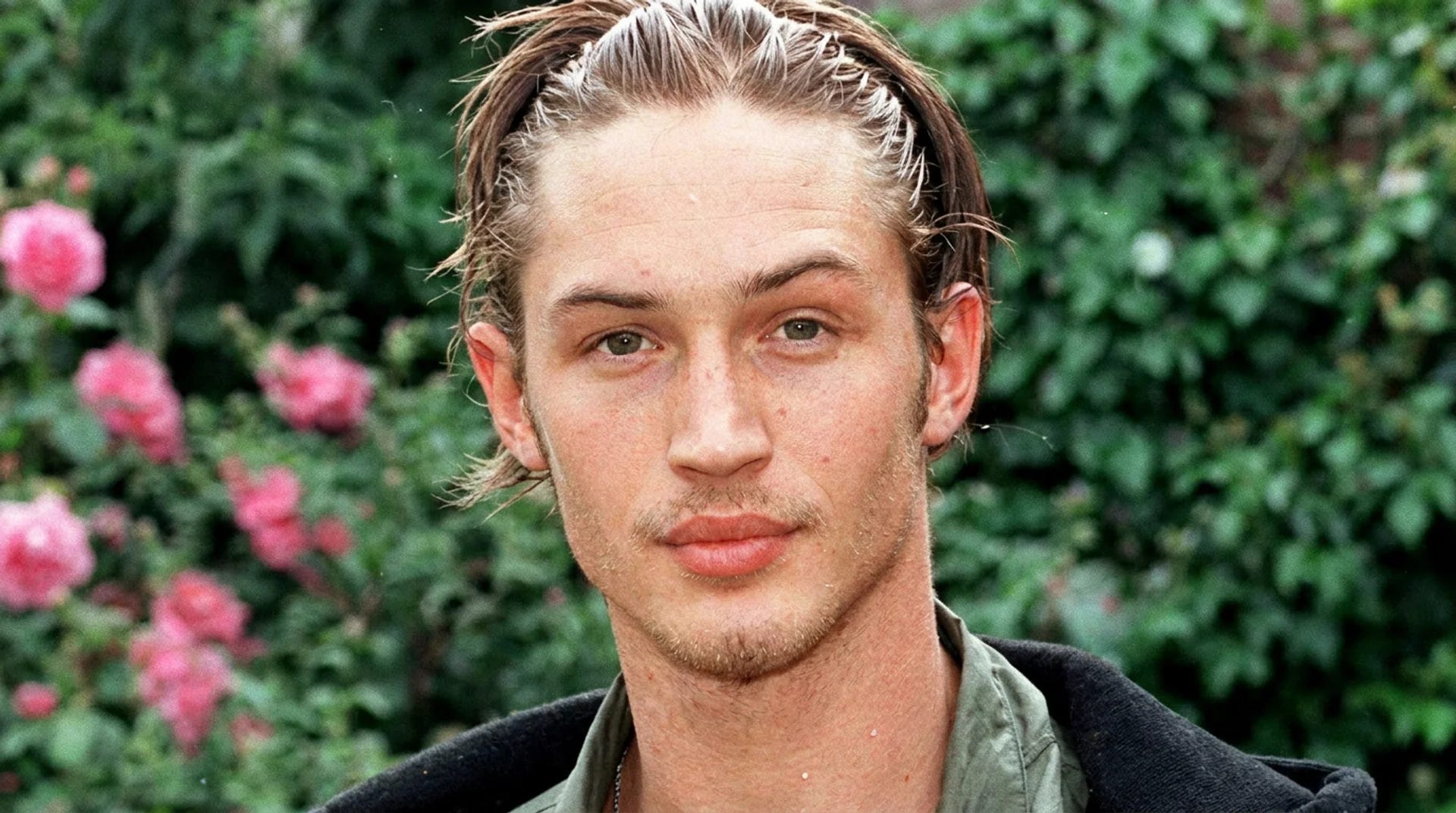
Young Tom Hardy is a good example
Tom Hardy in his 20s and early 30s was one of the most physically impressive actors in Hollywood.
Not just in terms of what he could build for a role — the Bane physique, the Warrior physique — but in terms of raw structural quality. Wide jaw, great facial dimension, a body that responded to training in the way that only structurally sound people’s bodies do.
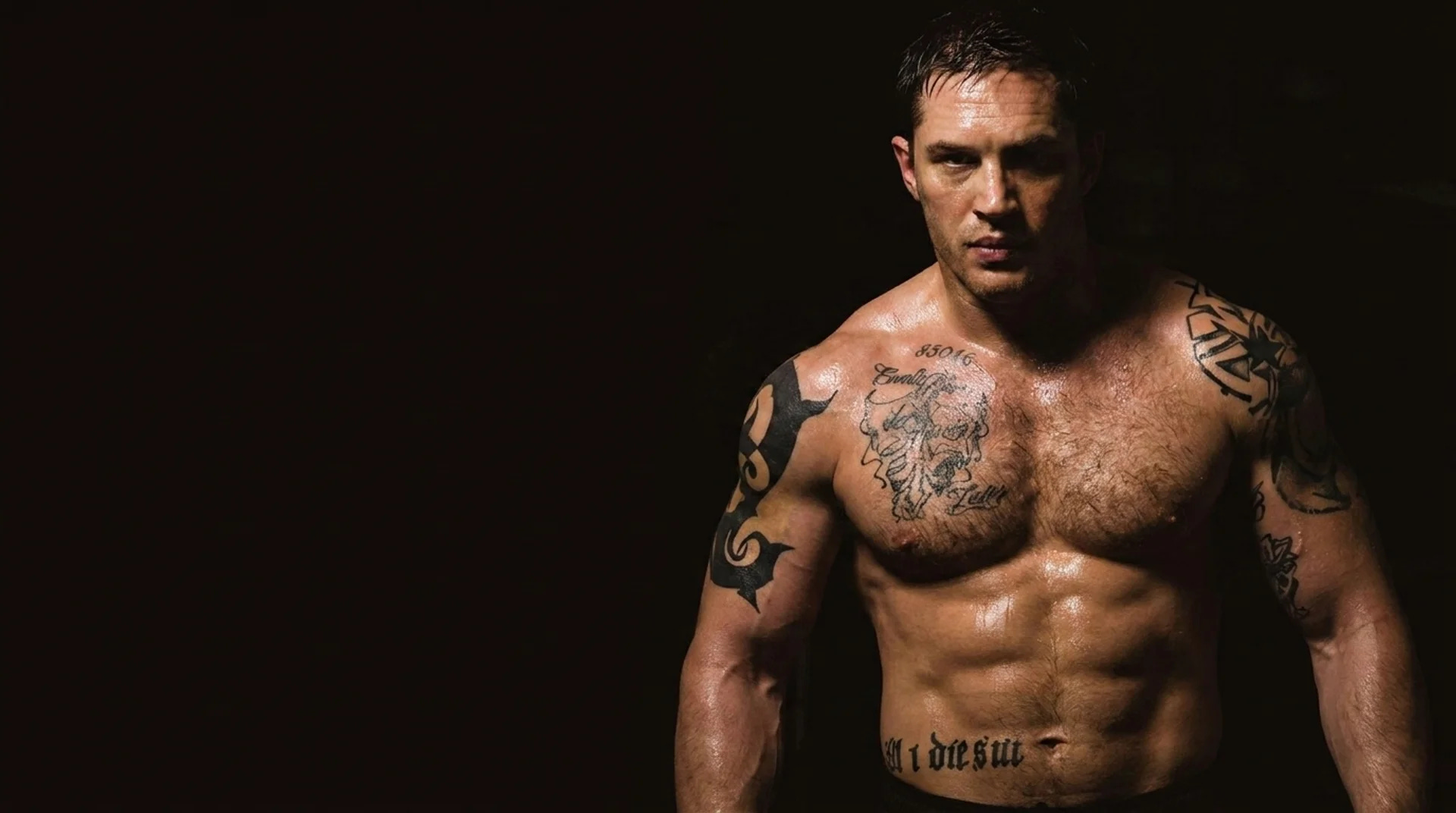
He was known for his transformative roles that demanded intense physical preparation. And he delivered. Every time. The body was responding because the foundation underneath was solid.
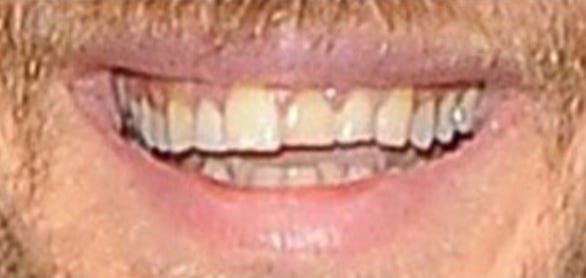
Now look at his teeth during that period. In the early 2000s, Hardy’s teeth were completely natural — slightly crooked, not particularly bright, with a signature uneven edge that gave his smile a rough, masculine charm.
Nobody would call them perfect. But the body built around those teeth was performing great. That’s the compensation mechanism working exactly as it should.
His neurology was sharp, he looked great, his physical output was extraordinary. That’s what a body looks like when the structural environment is intact — even if the teeth aren’t Instagram-ready.
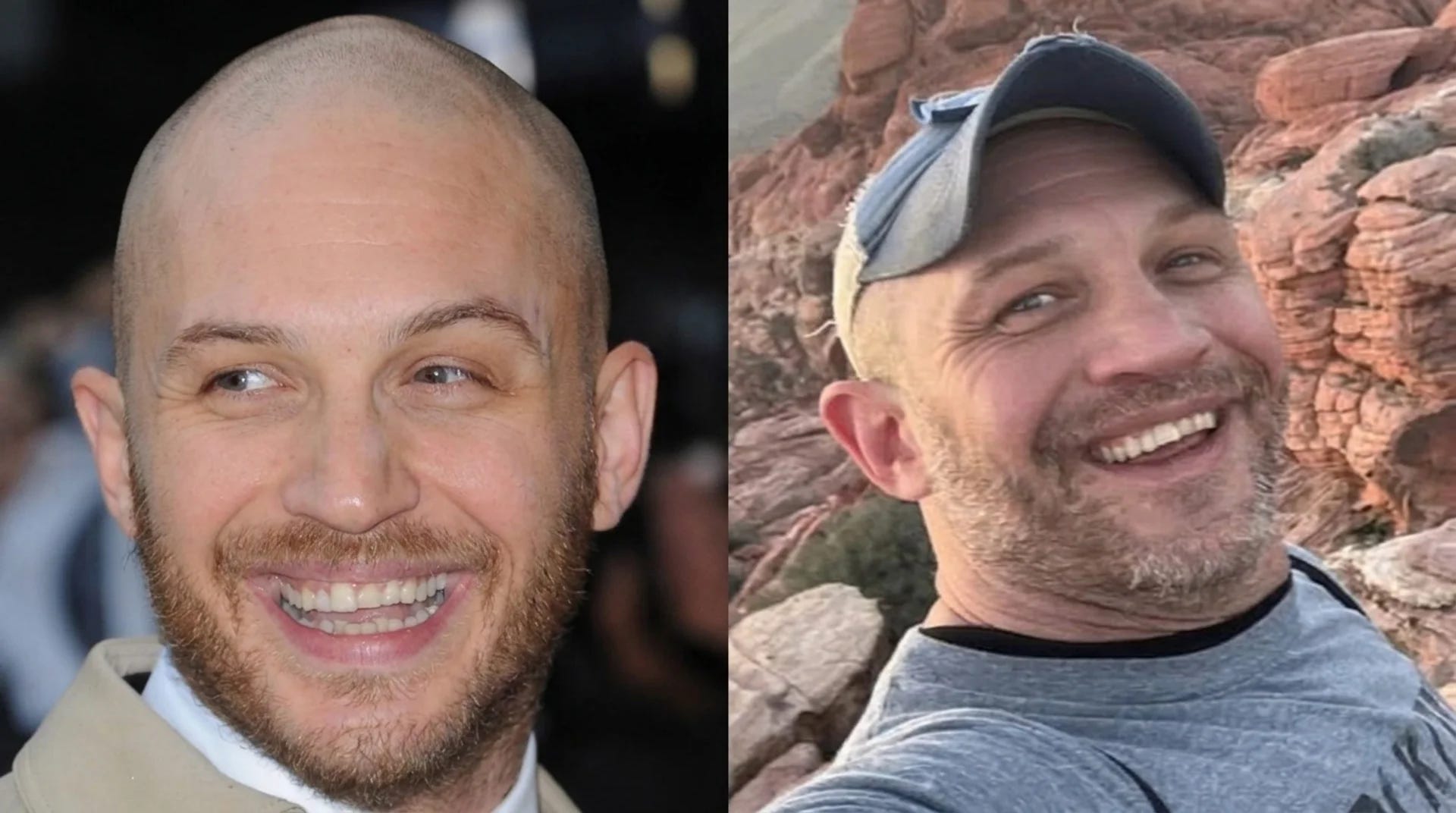
When he changed his teeth, his body changed
Over the years, Hardy’s smile underwent a noticeable transformation — his teeth gradually became more aligned, whiter, and more uniform. This happened from around 2018 or so.
The natural imperfections that defined his early-career look were refined away through what dental observers believe included whitening, possibly veneers, and possibly some orthodontic work (like clear aligners).
The smile got more polished, but in a subtle way. Tom wasn’t looking for the Hollywood ‘perfect’ smile.
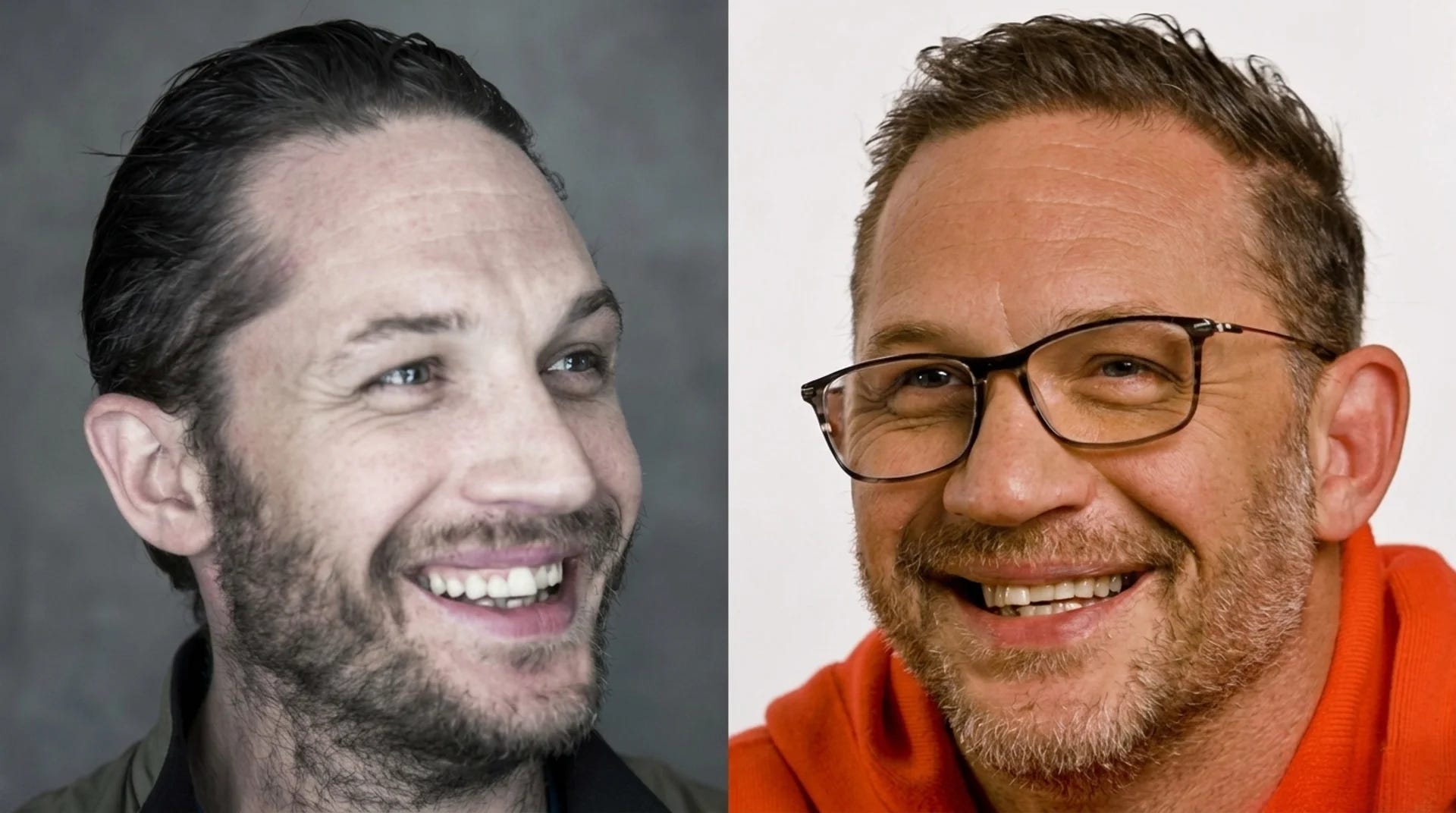
Rather as you can see in this pic above his changes were subtle. He wanted to still more or less retain his authetic smile but just be a bit more aligned than before.
The problem is… that even small, artificial changes will impact the body.
In a recent interview with Esquire, Hardy — now 47 — admitted that his body has hit a wall. Two knee surgeries. A herniated disc. Sciatica. Plantar fasciitis. A pulled hip tendon. His words are worth reading directly: “It’s like it’s all falling to bits now, and it’s not going to get better.”
That is a man describing biomechanical collapse. And he’s only 48 (the same age as me).
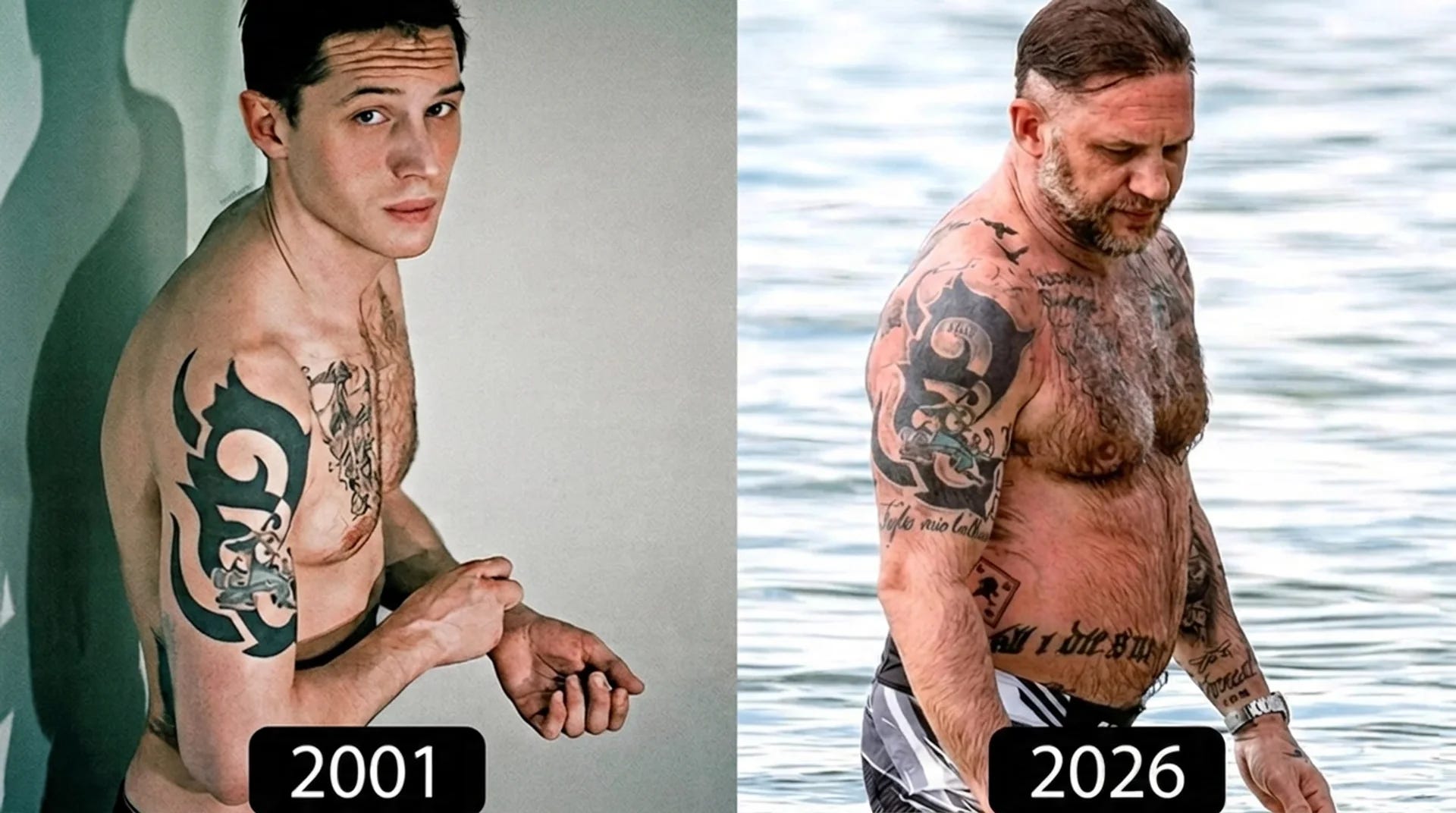
Now compare that to Travis Pastrana, who I wrote about recently — a man who has broken over 90 bones, suffered more than 25 concussions, and is still competing at the Race of Champions at age 41. The difference isn’t the abuse each body took. The difference is the structural environment each body is operating from.
Why is Tom falling apart fast now?
Well in my view the answer is that the compensation system got overridden. And once that happens, the body stops healing the way it should — because it’s spending all of its resources trying to adapt to a structural environment it can never quite reconcile.

When it goes downhill it’s not just physical
The other thing you will find when people are sliding downhill from tampering with their body’s natural structure is that the slide is not just physical, it’s mental.
And I noticed signs of this with Tom. For example he’s had clashes with the producers of Mobland and was recently fired from the show.
Also he commented, “I’ll collapse like a house of cards under too much pressure,” not long ago about his need to change his body for different roles
This is a person who sounds like he is pretty stressed out.
And while i’m sure the pressure is real… my own experience is that you absorb it relatively easily when you’re biomechanically healthy. But it beats you up if you’re not.

Closing thoughts
Leave the body alone and it compensates brilliantly.
Intervene without understanding what you’re doing — which is what virtually every cosmetic dental procedure does — and you pull the foundation out from under it.
Tom Hardy’s early body was a product of great natural structure and an intact compensation mechanism. Tom Hardy’s current body is paying the price for what came after.
This is why you will see some people with great bodies but very crooked teeth out there.
And some people with very nice, straight teeth but bodies that are falling apart.
Respect the intelligence of your body.
That’s my advice.
I recently listened to a podcast on an unrelated topic having to do with spiritual growth and the host talked about the death of masters at a certain high level -- how only their teeth are left behind. And if they are at level lower than this, only teeth + hair and nails. Whether or not to be taken literally, I find this correlation fascinating as far as what I've been learning from your teachings. Thoughts?
I always thought that Ruud Gullit, a famous Dutch soccer player, really improved his appearance when he fixed his protruding front teeth. He wore braces for several years. I can't attach photos here, but compare his looks in 1988 and in 2026. But maybe there's something different going on. Anyways, it confuses me a bit. Dental work can (maybe) in some cases do a good job. What's your thought?