

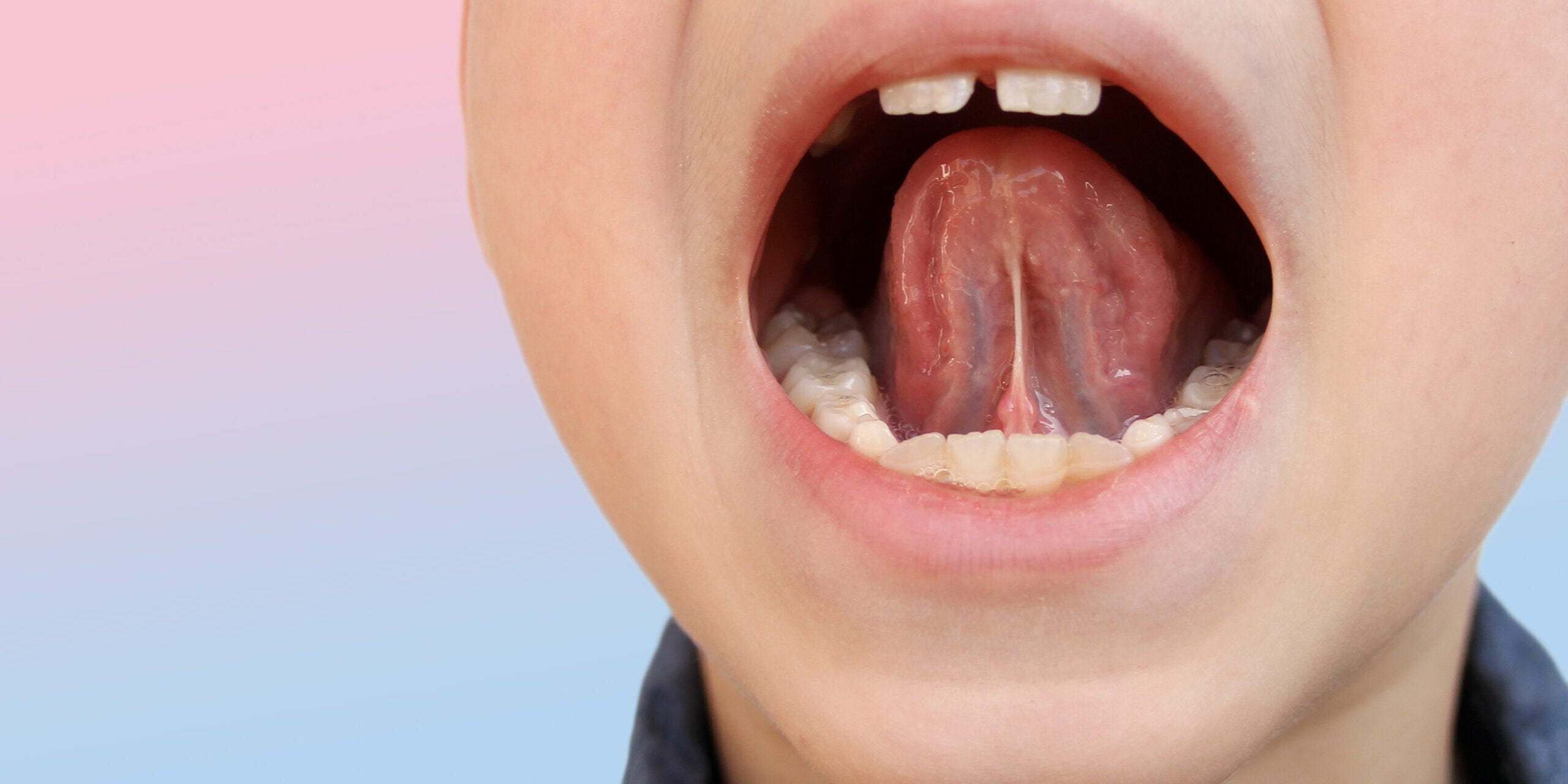
When folks ask me what they can do to expedite the process, the most common thing I mention is myofunctional therapy.
As it is something that is focused on the same soft tissue of the jaw/skull that I talk about here.
And it’s something I spent a ton of time doing back in the day. Both the conventional way and the unconventional way.
Let’s dive in.
What is myofunctional therapy?
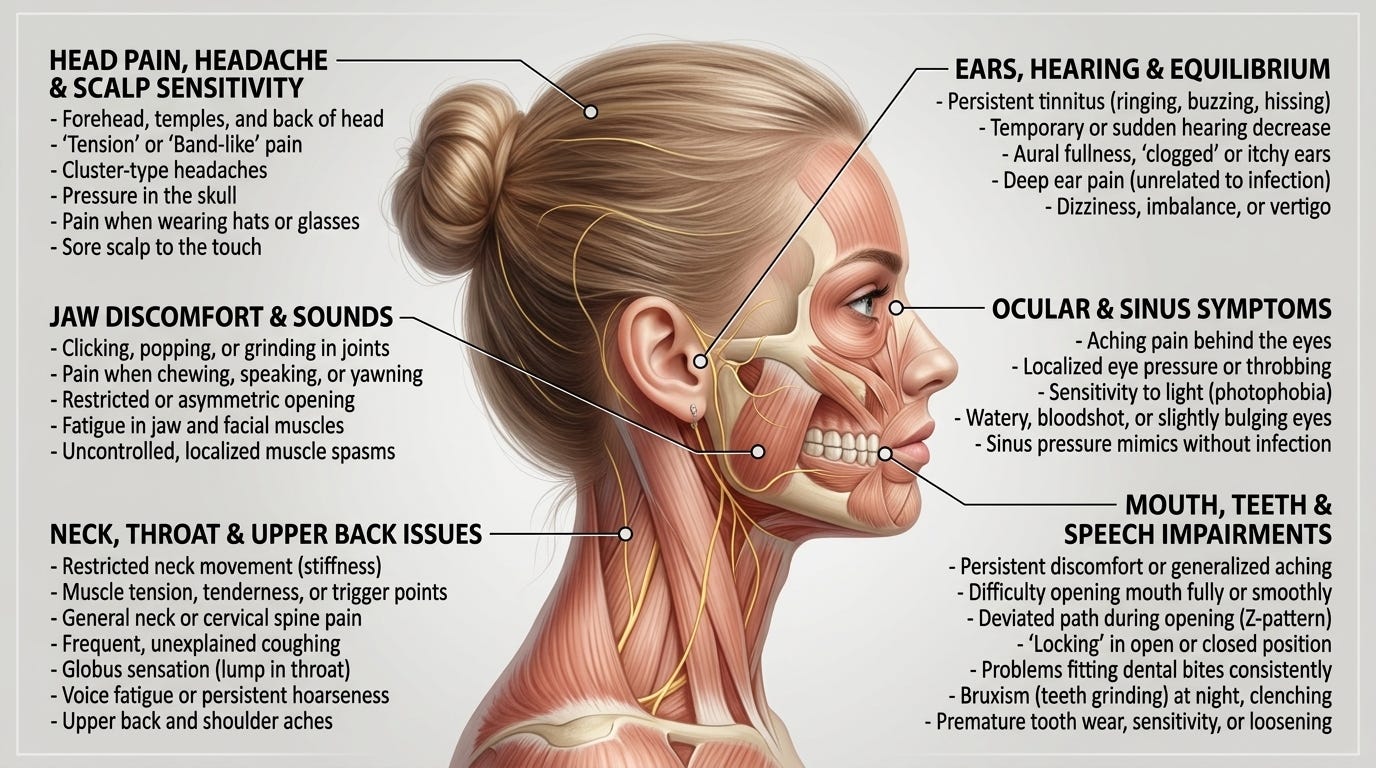
Myofunctional therapy is a form of treatment aimed at retraining the muscles of the face, tongue, and throat to function properly. It focuses on correcting improper oral and facial habits that can interfere with breathing, speaking, swallowing, and even overall facial development.
It is designed to impact all different parts of the face, skull and neck as you see in the pic above.
The goals are:
Correct Tongue Posture: Encouraging the tongue to rest against the roof of the mouth instead of lying low or pressing against teeth.
Normalize Breathing Patterns: Promoting nasal breathing instead of mouth breathing.
Improve Swallowing Function: Teaching proper swallowing mechanics to prevent abnormal tongue movements.
Support Jaw Development: Aligning facial and jaw muscles for optimal function and appearance.
How are you treated?
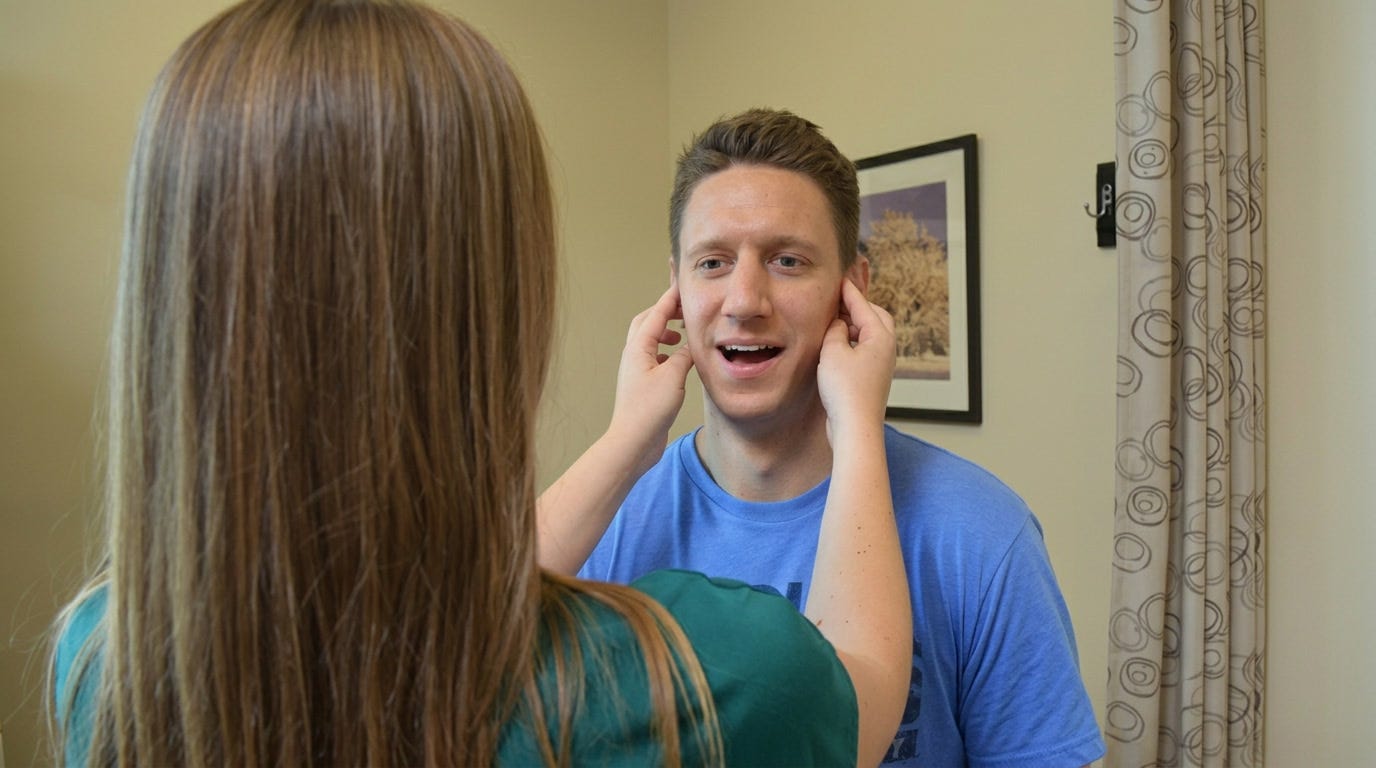
Essentially you can work with a myofunctional therapist or you just do it on your own.
Therapists usually have some type of related background like being a speech therapist or dental hygienist, and then they get certified to be a myofunctional therapist.
The International Association of Orofacial Myology (IAOM) offers a recognized certification and tends to be one of the popular organizations therapists are from.
But you also don’t need to work with a therapist as there is an absolute ton of instructional content online now.
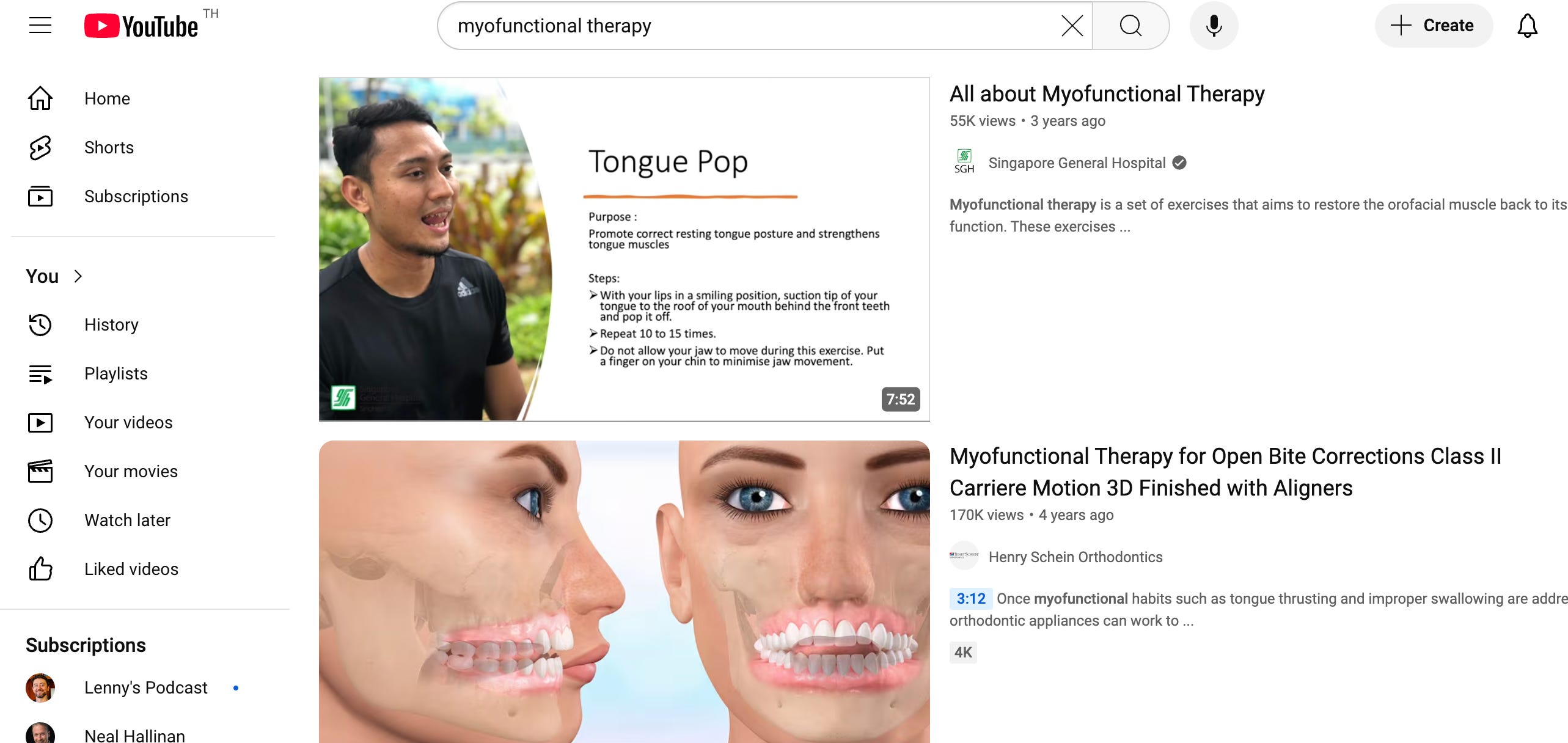
So I think it’s kind of become a bit like yoga. In that it’s probably even more popular to do it on your own while watching a Youtube video than seeing an actual therapist.
Because let’s be honest…. doing these exercises is not rocket science :)
One other thing that you will find with these therapists is that many of them promote the use of Myobrace. In fact many of them give their patients one as part of their program and it forms part of their exercise routine.
I worked with a myofunctional therapist for awhile
I was seeing a myofunctional therapist every month or so for awhile back in 2015-16. We did it completely online.
I forget how much I paid but I think it was around $60 for a 45- minute session or so.
And a lot of the progress was meant to come via my homework, which i was supposed to do between sessions.
I made some marginal progress for awhile, but determined that it was a bit slow and it felt inefficient. So I began iterating on my own techniques.
My own “myofunctional technique”
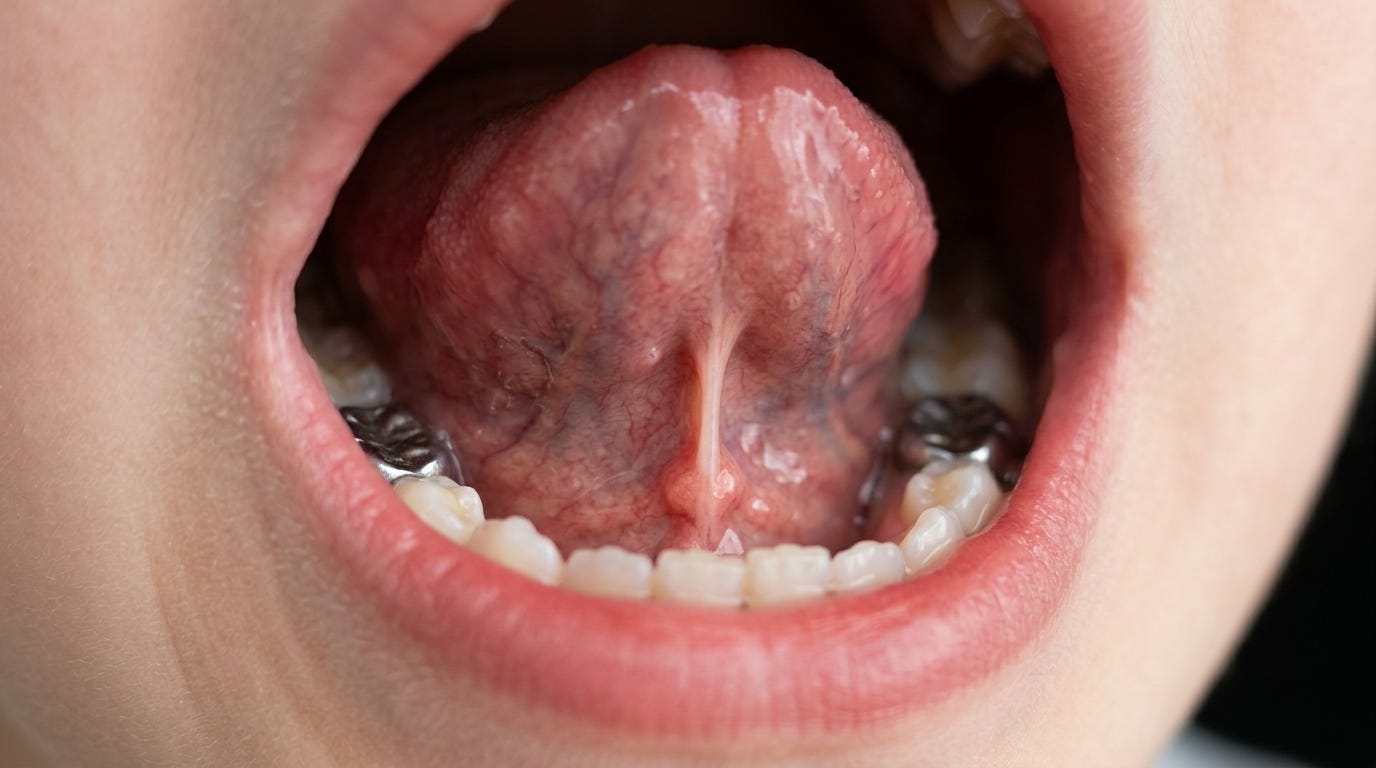
One thing that I noticed early on was that if I dabbed a stick into the underside of my tongue, which was one of the exercises my therapist had shown me, that it was quite painful.
And so I began dabbing with the stick where it was painful and holding that stretch with my tongue. Which taught me that if i held it long enough the pain sort of went away.
And it felt as if something had released. Also it seemed as if my complexion was improving a bit.
So this then became something that I went deep on. I tried to literally dab anywhere in my mouth with the stick to see where i could find pain and then hold it.
I found that under the tongue and up near the ears on either side of my mouth were the main epicenters of pain. So i kept working these areas.
The progress I made while doing this eventually helped lead to developing what I call my ‘fast approach’, so this is something I definitely recommend doing. As it begins to teach you how the ‘soft tissue’ works.
My definition of done
So i have numerous definitions of done of this entire biomechanical process, but one of them relates to my myofunctional exercises.
These definitions of done include:
Full flexibility of the body
Perfectly symmetric face
A fully flexible tongue
No ‘crease’ when putting a paper towel under your lower lip
You can dab a stick as deeply as you want in pretty much any spot in the mouth and it will not be painful
This last one is the one i’m referring to and it relates to what I realized when I took this stuff ‘to the end’ back in 2016 or so.
Basically I had gotten rid of all of the painful points in my mouth. How do i know I did that?
Well because i was testing for that constantly and using it to gauge progress.
Why does myofunctional therapy work?
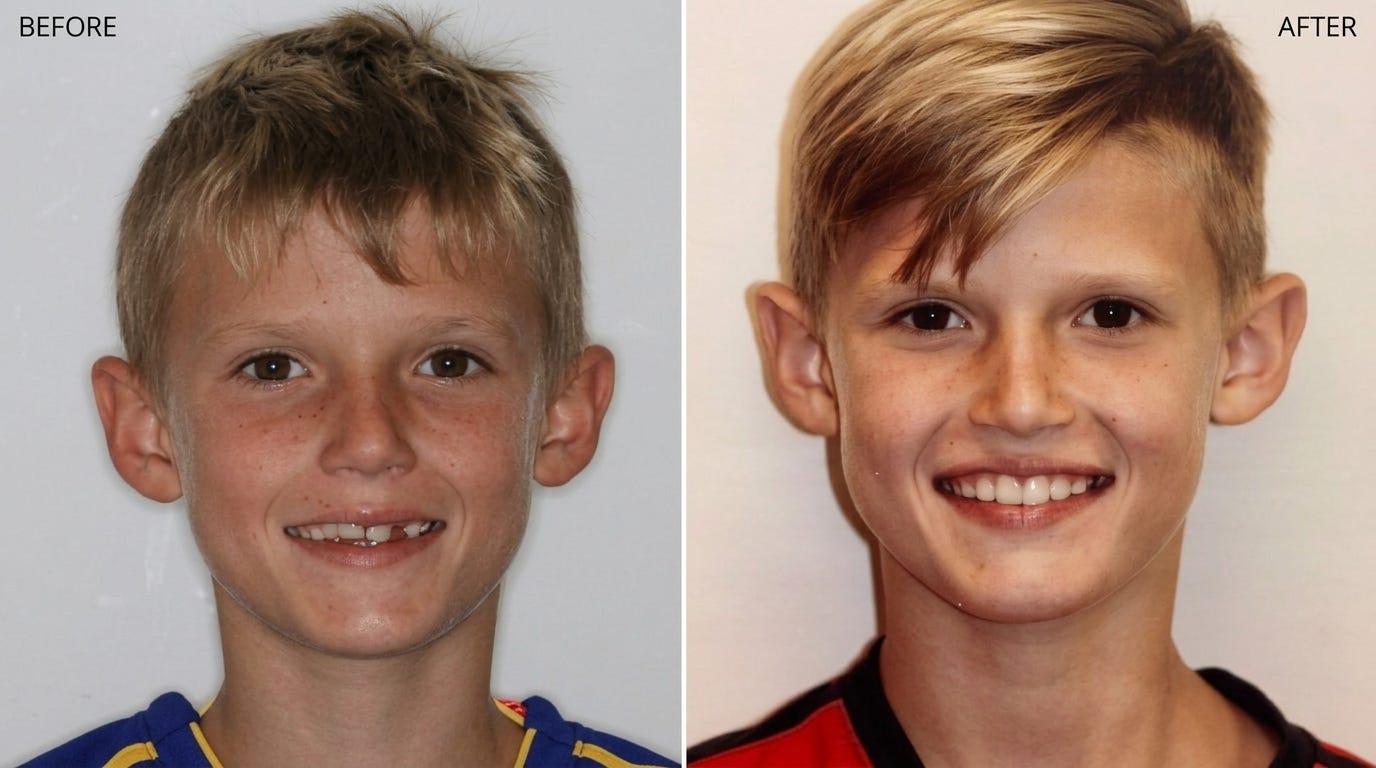
So the answer to this one is simple… myofunctional therapy stretches the exact same tissue that I talk about as being the basis of how Reviv works.
It is the soft tissue that covers the jaw and can inflate or deflate the skull.
So am I saying that myofunctional therapy works as well as Reviv? No, not exactly.
Myofunctional therapy stretches this soft tissue in a very similar way to how for example yoga stretches the soft tissue of the body. They will BOTH improve curve of spee if you were measuring its impact on a tracking splint.
But in both cases your progress will revert if you do not wear a mouthguard of some sort to sleep. Because you’re creating a bit of a posterior open bite when you do the exercises and then it just closes if this new occlusion is not than supported by something like Reviv.
Read more about this here.

And so myofunctional therapy will result in the exact same ‘hamster wheel’ that i referred to here with yoga if you’re not wearing a mouthguard concurrently.
But the fact that many myofunctional therapists do in fact have their patients use a Myobrace or some type of mouthguard is the reason why sometimes you will see some terrific results.
Closing thoughts
Sometimes folks ask me “Ken, what is this soft tissue you are talking about and why are you the only one talking about it?”
To which I respond that I’m not the only one talking about it. It’s the foundation of numerous other things.
For example it is at the foundation of how yoga, mewing and myofunctional therapy all work.
They perhaps just don’t call it ‘soft tissue’ the way i do. And perhaps they have other interpretations of what is going on.
But myofunctional therapy is one of those things that is perhaps closest in philosophy to Reviv. You need all of these tissues in the mouth and tongue to stretch.
And when you do it improves the facial complexion and symmetry, but it also reflects in the entire body. Whatever you do to improve your face will ALWAYS reflect in your entire body. It’s one of ‘Ken’s laws’ :)
So yeah.. if you’re doing Reviv i highly recommend going deep down the myofuntional therapy rabbit hole.

Check out our other social channels:
X.com: https://x.com/Kenny516
Medium.com: https://medium.com/reviv-method
Tiktok: https://www.tiktok.com/@getreviv
Facebook: https://www.facebook.com/revivtechnique
Instagram: https://www.instagram.com/egk_reviv/
I'm hoping to get my COM soon so I was excited to read this one! I agree it's important, BUT can be a bit of a hamster wheel like you said, especially if your structure has already deteriorated quite a bit. I can attest to that, as I did myofunctional therapy for about a month, and my therapist told me I probably wouldn't get profound results unless I did an expansive adult appliance, like VIVOS or ALF. And then I didn't get a good gut feeling about those based on the mixed results I was seeing. Then eventually found my way here. Haha! But this makes me excited. Feels like an important piece of the puzzle and I hope I can be of service to the continued development of this field!
It's certified orofacial myologist. There's also OMT, COMT and MFT depending on the program.
And yeah it's amazing how simple it should really be. I was quoted $20k for an airway "package" option including vivos, tongue tie revision, Invisalign, and myofunctional therapy!