

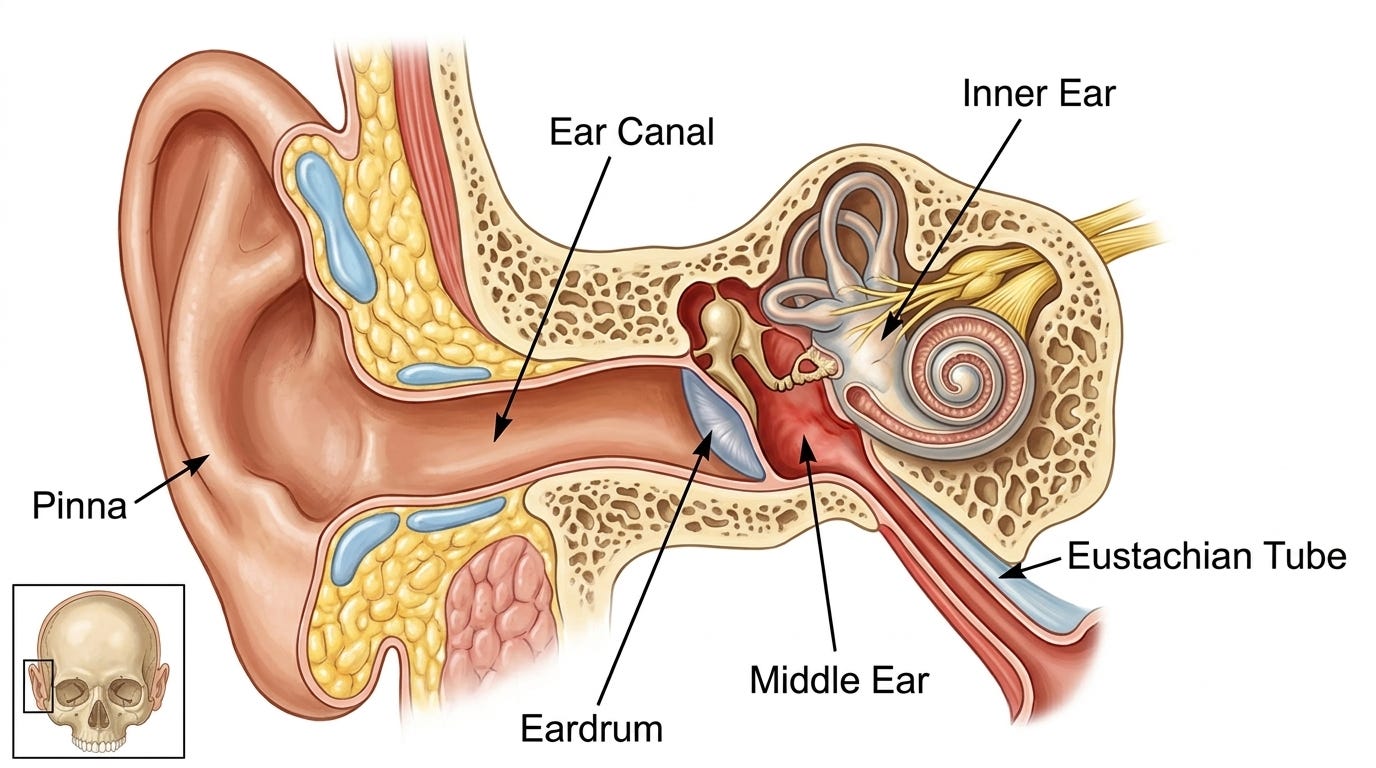
A little while back someone pinged me and asked if I thought this stuff could help ‘Eustachian Tube Dysfunction’.
A number of folks have hit me with questions like this and when it’s not something I dealt with myself or saw fixed on someone in my test group I like to play it safe.
And rather instead of giving a straight answer…. I just give my thought process on why I would think it either is or is not related.
So I responded to them a bit like I responded in this article below… but figured i’d make an article out of it and try to flush it out some more.
What is Eustachian Tube Dysfunction?
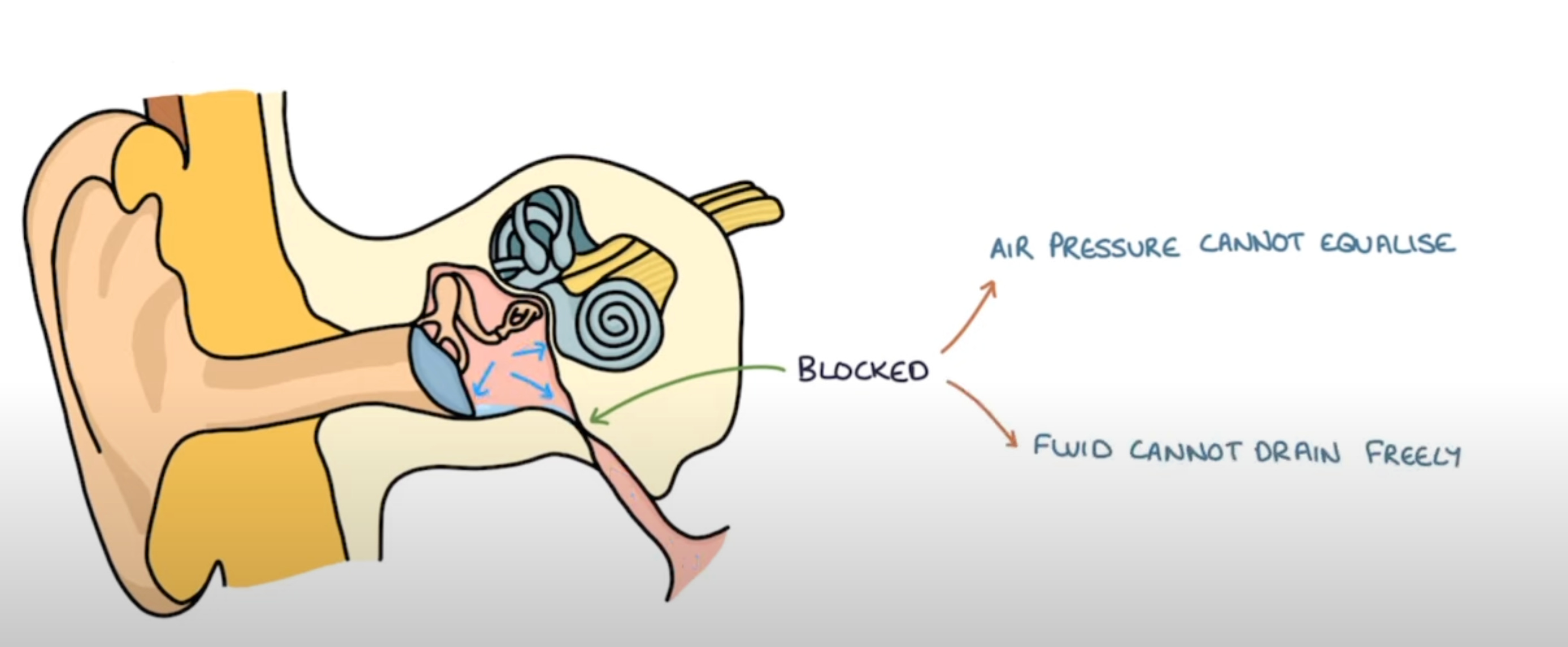
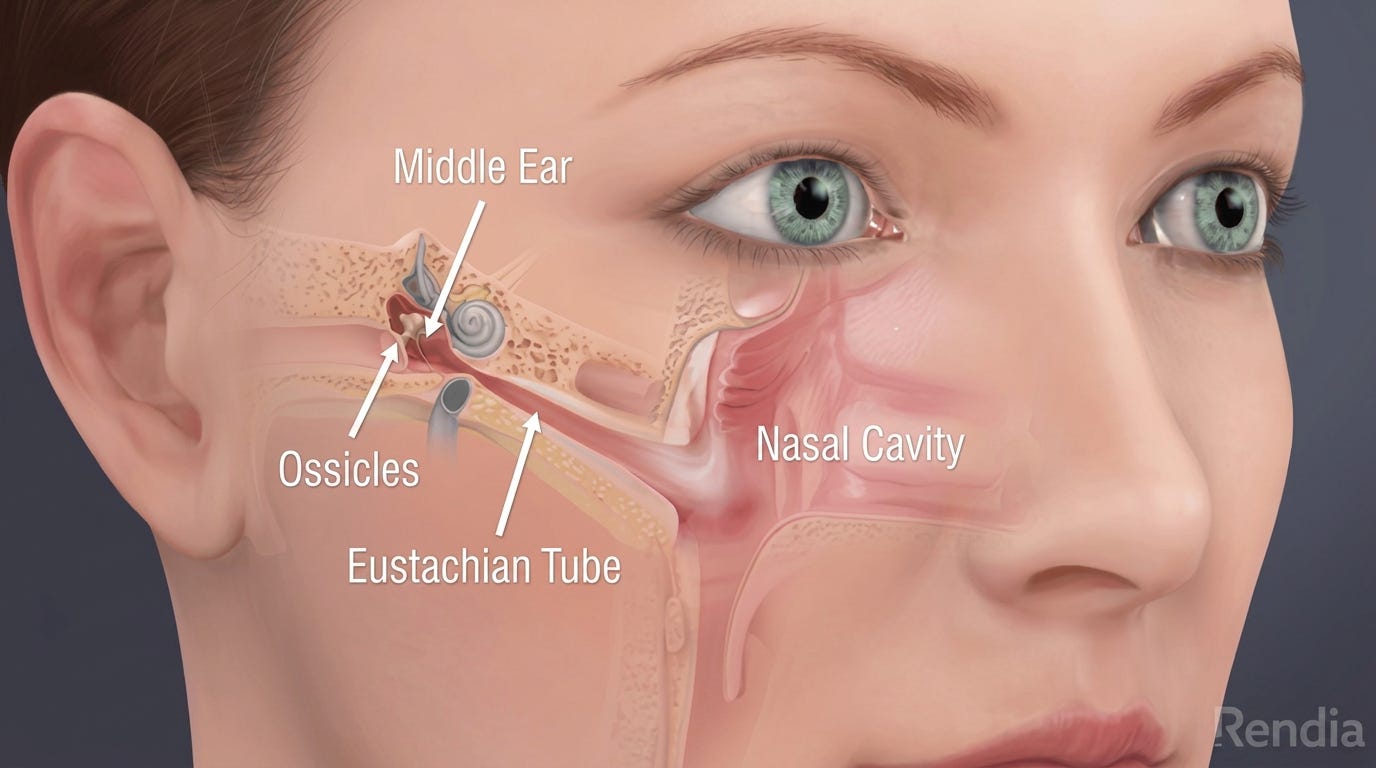
Eustachian Tube Dysfunction (ETD) occurs when the tubes connecting your middle ear to your upper throat and back of the nose don't open and close properly.
As in the diagram above there is often a blockage which results in air pressure not equalizing and fluid not draining freely.
As a result the middle ear can often fill with fluid.
This can cause symptoms including ear fullness, popping or clicking sounds, tinnitus, and muffled hearing.
Studies suggest it affects around 1% of adults, though many cases may go undiagnosed.
What causes it?
Conventional medicine attributes ETD to various factors including allergies, sinus infections, rapid altitude changes, and anatomical abnormalities.
I’ve mainly heard of ETD via the TMJ community. I’ve seen many folks that were diagnosed with TMJ over the years also say that they’ve had problems with ETD.
And it’s not hard to see this connection. Because your TMJ sits right next to this part of your ear.
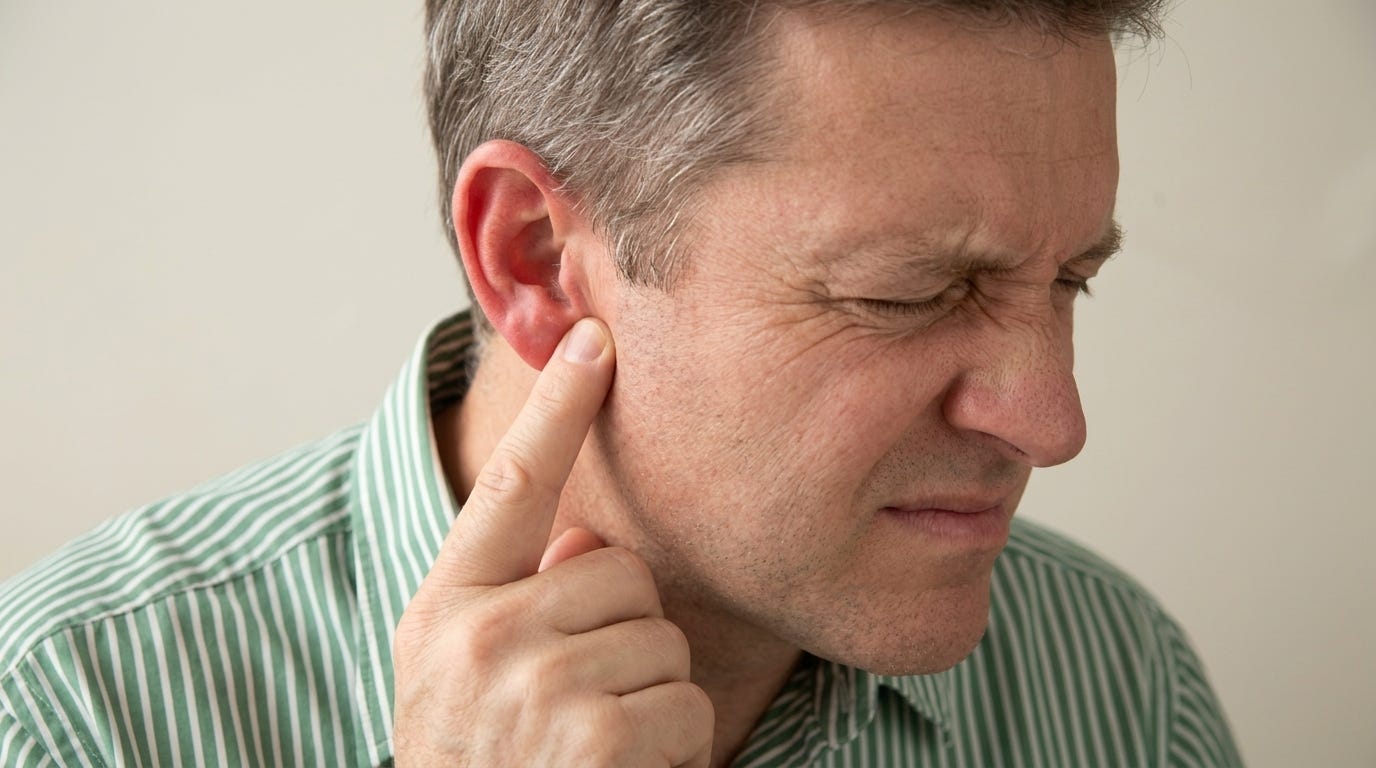
One way that a TMJ dentist told me he uses to diagnosed TMJ issues was to actually put your index fingers in your ear and then open your jaw. And if you had a TMJ issue the TMJ would often push into the ear canal such that your index finger would clearly feel pinched a bit by it.
Also you can find lots of studies like the one below that connect TMJ to ETD.
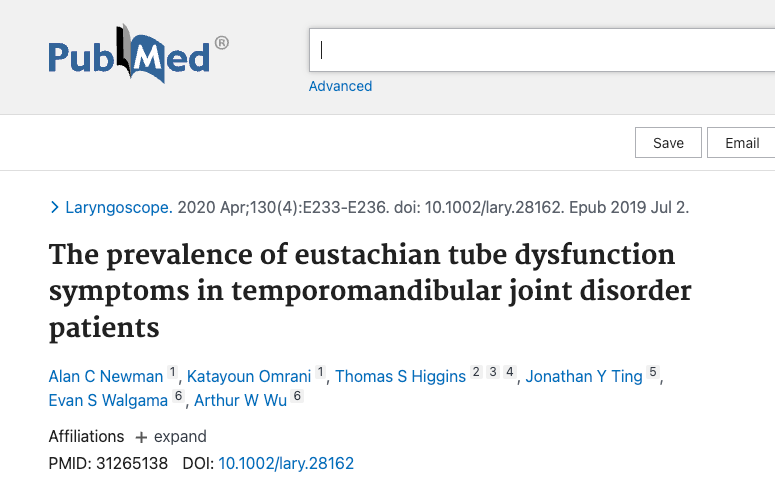
This one, for example, concludes as you see below. That symptoms of ETD are highly prevalent among patients with TMJ.

How is it treated normally?
Traditional treatments include decongestants, nasal sprays, exercises like yawning or swallowing, and in some cases, surgical interventions like tube insertion.
However, these approaches often provide only temporary relief because they're addressing symptoms rather than the root cause.
When i’ve met folks that had ETD in the past it seemed like it was a pretty chronic issue for them. And one in which they’d tried pretty much all of the non-invasive traditional treatments with relatively little long-term impact.
Do I think it is caused by these biomechanics?
Yes I'm confident ETD is directly related to these biomechanics.
Consider the anatomy - the TMJ is positioned extremely close to the ear, and when the jaw gets displaced and twisted due to the biomechanical collapse process I talk about here it would literally be impossible for the eustachian tube to not be affected.
This image below is a pretty good representation of what is happening to your skull and jaw as a result of the biomechanical collapse process.
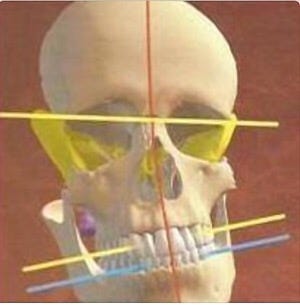
Now look carefully at where the eustachian tube is on the girl’s face above and imagine this displacement of this skull. There is NO WAY that the eustachian tube is not impacted.
That’s just mechanical engineering in my view!
Hmmm or is it civil engineering? Damn it… i have no idea what type of engineering it is because i’m not an engineer. Hahaha
My own experience
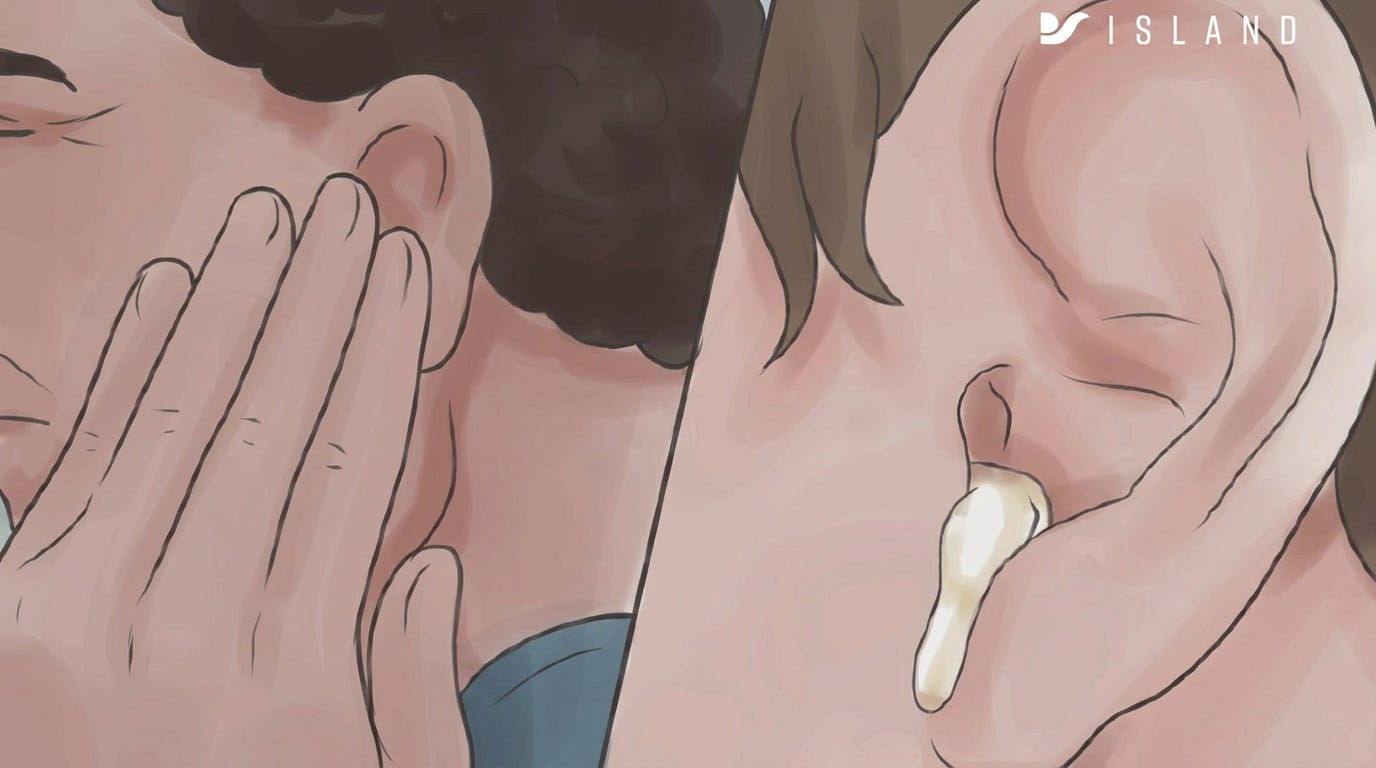
Throughout my recovery process, I've experienced numerous ear-related changes.
I've had long periods where my ears constantly discharged large amounts of wax that far surpassed anything i’d experienced before. Often this wax is not just in my ear but behind my ear, etc.
I've also gone through phases of muffled hearing (for a day or two) as structures shift and adjust.
Most notably, years ago I experienced a crucial moment when a long-spasmed muscle near my ear released. I’d never even known it was in spasm till it very painfully released for hours.
This painful release occured right before the final correction of the jaw positioning back in ~2016 when I took this process to the ‘end’, and so i think these two things are very tightly coupled.
This suggests to me that muscles around the ear can remain in spasm for years due to the deranging of the skull and this perhaps contributes to ETD symptoms.

Closing thoughts
The ear and its surrounding structures are among the most affected areas during biomechanical correction. This makes perfect sense given their proximity to the TMJ and their role in maintaining structural balance.
I believe ETD can be effectively addressed through these biomechanical principles, though the process requires patience as the surrounding tissues gradually release and remodel.
I think this biomechanical approach will eventually revolutionize how we treat ETD. Instead of managing symptoms with medications or surgery, we will address the root cause.
But when you’re using these biomechanics to solve things like neurological disease, heart disease, dementia and cancer…. it almost sounds like a sideshow to say that it also solves ETD. LOL
Ok… enough of my jaded humor.
Time to get my kid out of the bathtub :)
Got my Revive mouthguard today. Yeehaw!!