

The youtube version
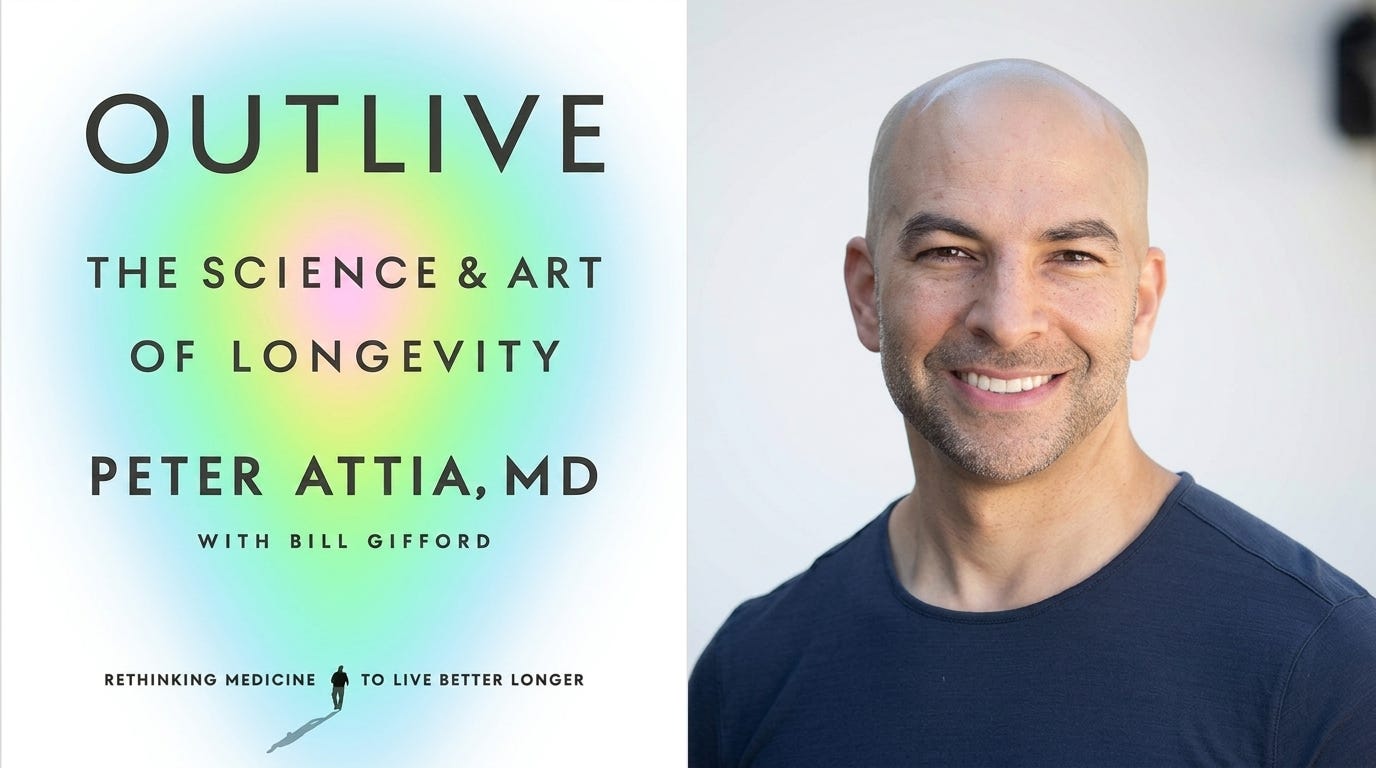
In the past couple of years a number of folks have talked to me about Peter Attia.
They say something like… “Ken… you’re into this longevity stuff. You need to read this guy - Peter Attia’s book.”
And so while I never read it, I did take a look at a couple of podcasts where he was interviewed (like this one by Tim Ferris) and have read some things online about him.
But now when people say this, I respond like this… “I don’t think i need to understand anything further about Peter Attia. In the coming decade or so I plan on destroying pretty much every major idea he says in this book. Rather he needs to be paying attention to me. ”
Because when this biomechanics stuff really starts to spread and the number of people that are using and benefitting from it mushrooms… it’s gonna make what he wrote look pretty foolish.
Who is Peter Attia?
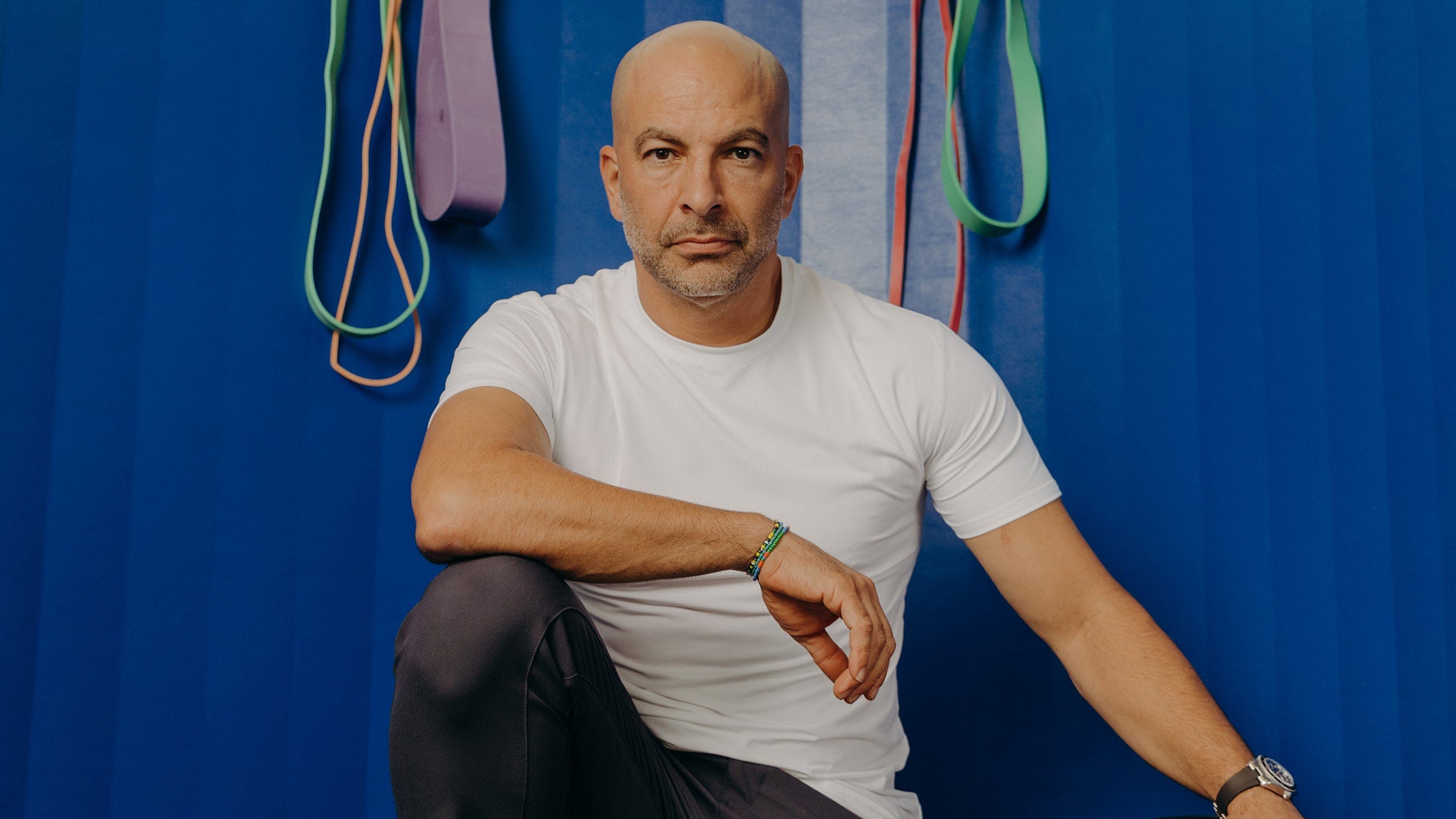
Peter Attia, MD, has become one of the most prominent voices in longevity medicine.
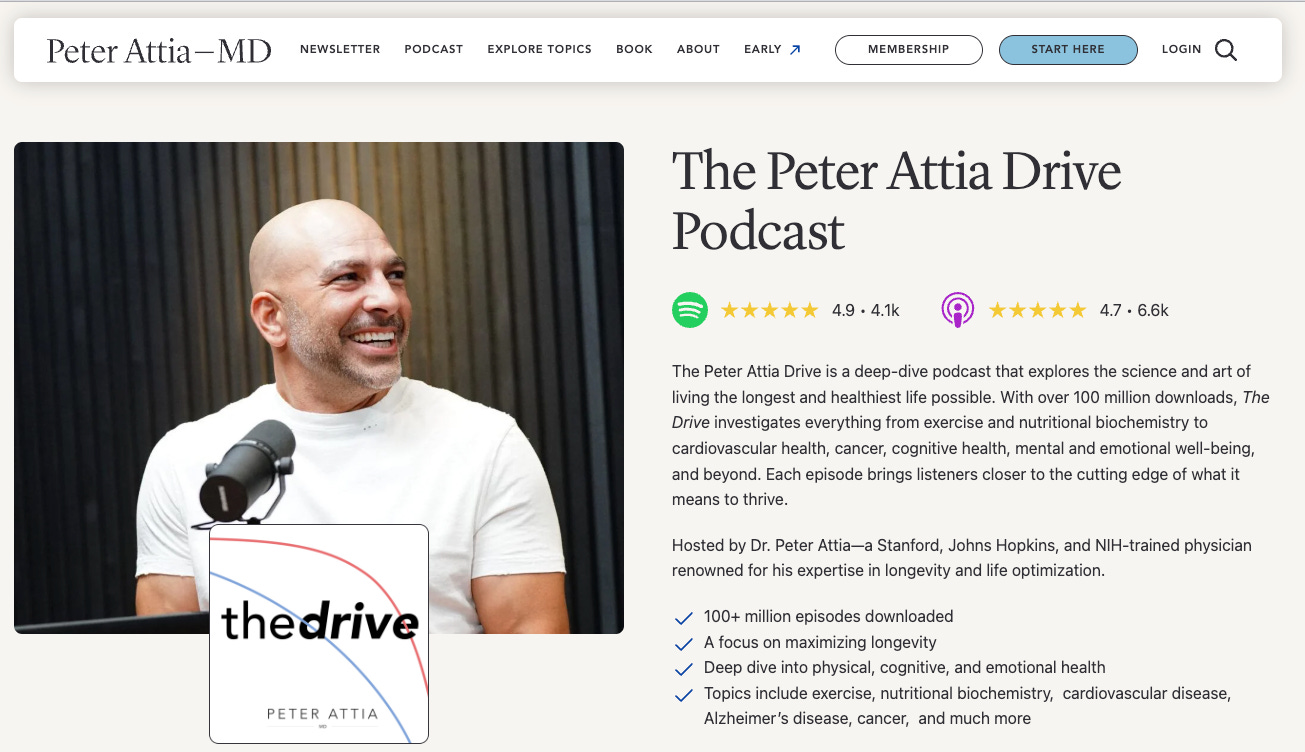
A former Stanford physician and McKinsey consultant, he gained popularity through his podcast "The Drive", which has been downloaded on Spotify over 100m times.
They bring on leading experts in their respective fields who are a mix of medical professionals, scientists/researchers and athletes & performance experts.
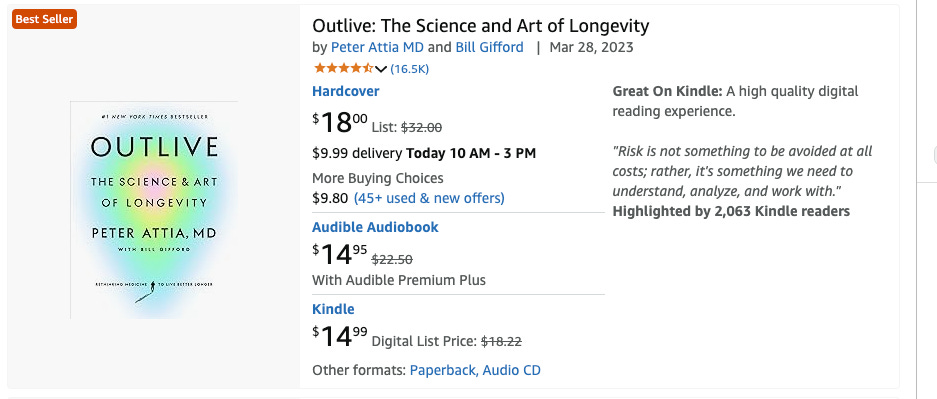
He also published the book "Outlive: The Science and Art of Longevity,” which has over 16.5k Amazon review and is a top seller.
His approach combines detailed data analysis with personal experimentation, making complex medical concepts accessible to the general public.
He’s also often seen with many celebrities and high net worth individuals who are probably asking his advice on longevity.
What are the main concepts he talks about?
Here is a summary of the key topics ChatGPT extracted from his book, Outlive:
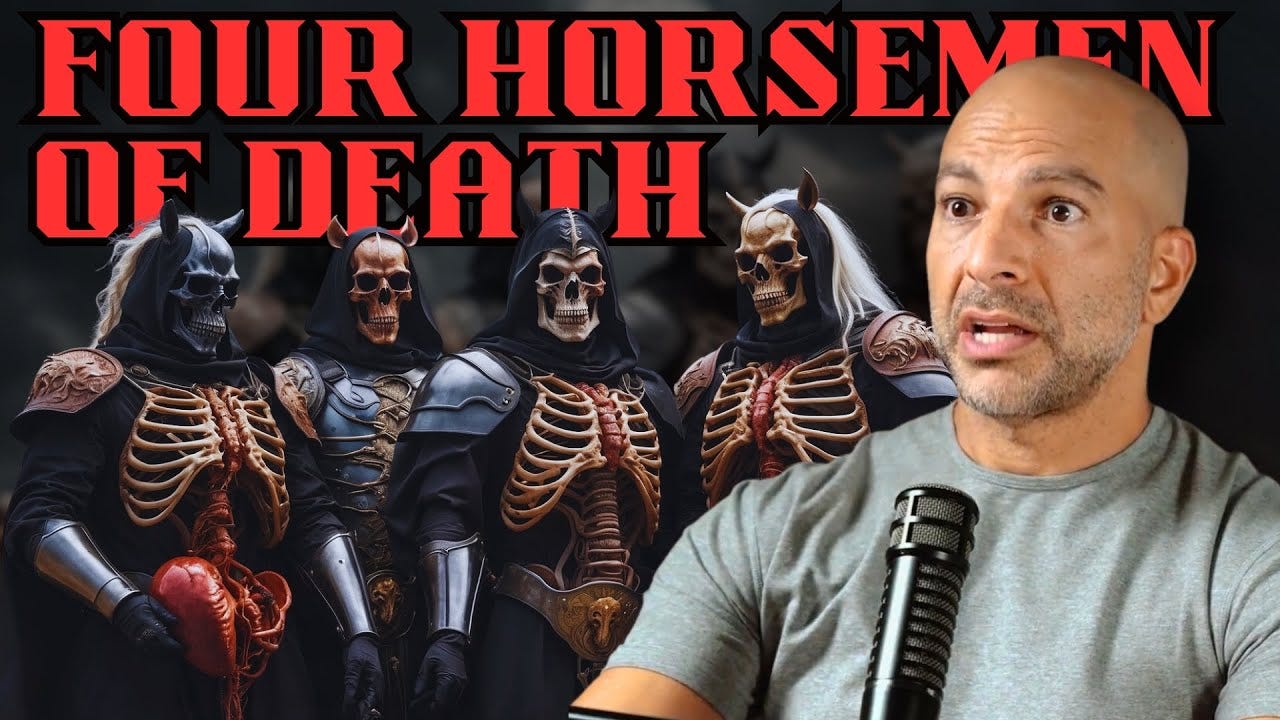
Combatting Major Health Risks: Attia emphasizes reducing the risks of the "Four Horsemen" of chronic disease: heart disease, cancer, neurodegenerative conditions, and metabolic diseases like diabetes. He advocates proactive health strategies, such as reducing ApoB (a cardiovascular risk factor) and cutting fructose intake.
Exercise as a Foundation: Attia stresses the importance of physical fitness to aging well. His approach includes:
Zone 2 Cardio for improving mitochondrial health.
VO2 Max Training for high-intensity intervals to boost endurance.
Strength Training to preserve muscle mass, critical for physical function as we age.
Stability and Balance Training to reduce fall risks
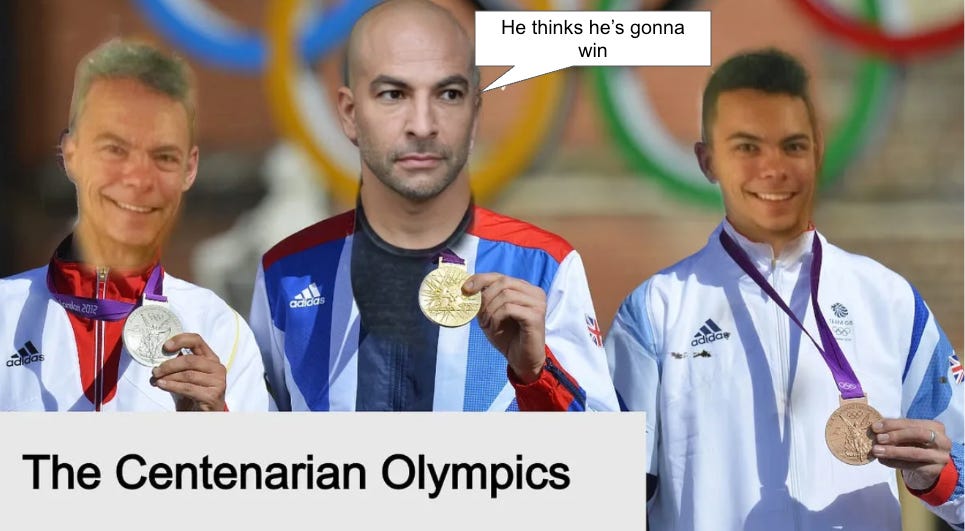
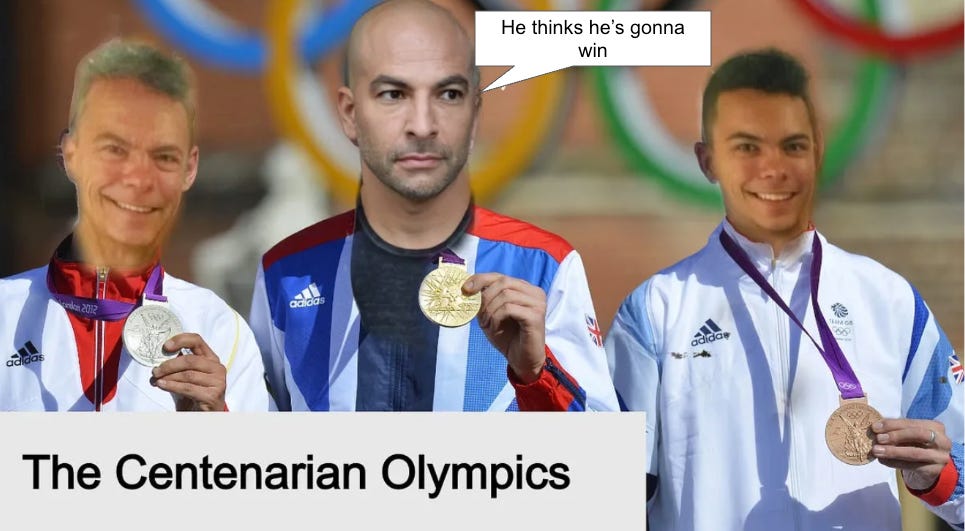
The "Centenarian Olympics" Concept: Attia encourages people to prepare for the activities they want to perform late in life—like picking up grandchildren or hiking—by training for them now.
Nutrition and Metabolic Health: He advises a simple dietary approach, emphasizing monounsaturated fats, protein, fasting, and limiting sugar, processed oils, and alcohol. Metabolic health is central to his philosophy, given its impact on longevity.
Bone Health and Longevity: Strategies like strength training, proper nutrition, and medical interventions when needed help prevent fractures and maintain independence in old age.
Mental and Emotional Well-being: Attia highlights the importance of mental health, emotional resilience, and social connections, as loneliness and poor mental health can significantly reduce life quality and expectancy
Quality Sleep: Sleep is a non-negotiable part of his framework for longevity, with recommendations like reducing blue light exposure, optimizing room temperature, and limiting caffeine and alcohol.

Let me start with what I agree with
I'll acknowledge some obvious truths in Attia's work:
yes, strength and fitness correlate with health;
yes, mental health matters;
yes, quality sleep is important.
But agreeing with these points is like agreeing that the bottom of the ocean is wet - they're obvious observations that tell us nothing about root causes.
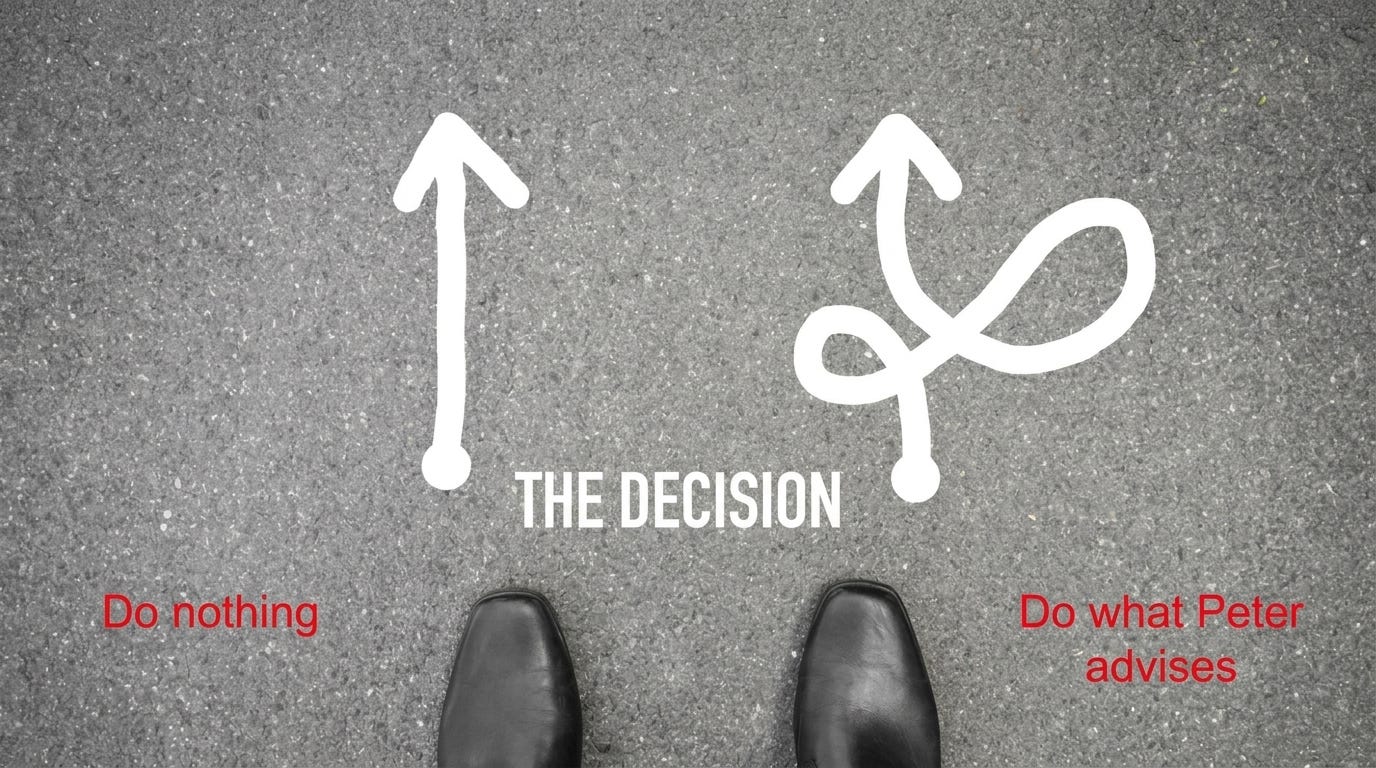
Following Peter’s advice will land folks in the same destination as having done nothing
Let me use an example to show you what I mean… and let’s assume that i’m right and structure and these biomechanics that I talk about are at the root cause of longevity.
Then what would we see?
Well the people with the best structure would have:
the best strength (because of their healthy spine),
the best mental health (because the skull is not crushed)
and the best sleep (because that is just the way it works).
His advice to focus on those things would be 100% useless. Because if your structure is screwed from a young age and you focus on his advice… it will get you nowhere.
If it was possible to have a baseline of what “would have” happened if you did nothing… than you’d probably see that after 20 years of following Peter’s advice you arrived exactly where your baseline would have landed you.
So the only reason Peter can say these things is simple… it is impossible for humans to have a baseline of ‘what would have been had they done nothing’.

Peter has zero clue on root cause
While Attia meticulously documents correlations, he completely misses the fundamental biomechanical foundation of health.
He doesn't understand that the curve of spee and dental biomechanics are what actually determine structural integrity.
I can shoot a LOT of holes through his logic - centenarians who never exercised, people who eat terribly but stay healthy because their structure is sound.
His complex framework crumbles in the face of these exceptions because it's built on correlations rather than causation.
And let me not be biased… let’s hold me up to the same logic I applied above to Peter… “would people that do nothing achieve the same as if they did what Ken advised them?”
There are already probably 20+ from the past 1-2 years that would tell you that they are very clearly kicking the ass of their baseline from the previous years (got rid of brain fog, got rid of pain, feel stronger, feel more energy, etc).

Closing thoughts
To me it's almost comical that someone can be considered a "longevity expert" while missing the fundamental mechanics that drive health and aging.
Attia's work is essentially an elaborate exercise in correlation hunting, dressed up in medical terminology and scientific references. To me it is as useful as a navigation system built on incorrect maps.
In the coming years, as these biomechanical principles become better understood, books like "Outlive" will be viewed as products of their time - perhaps well-intentioned, but fundamentally misguided attempts to understand longevity without grasping its mechanical foundations.
So Peter… you might be on that ‘longevity throne’ right now… but i’m coming to dethrone your ass ;)
"…and McKinsey consultant." spiked my controlled-opposition radar. Just sayin'.
Ken, do you have any theories on why the antedeluvians lived over 900 years?