

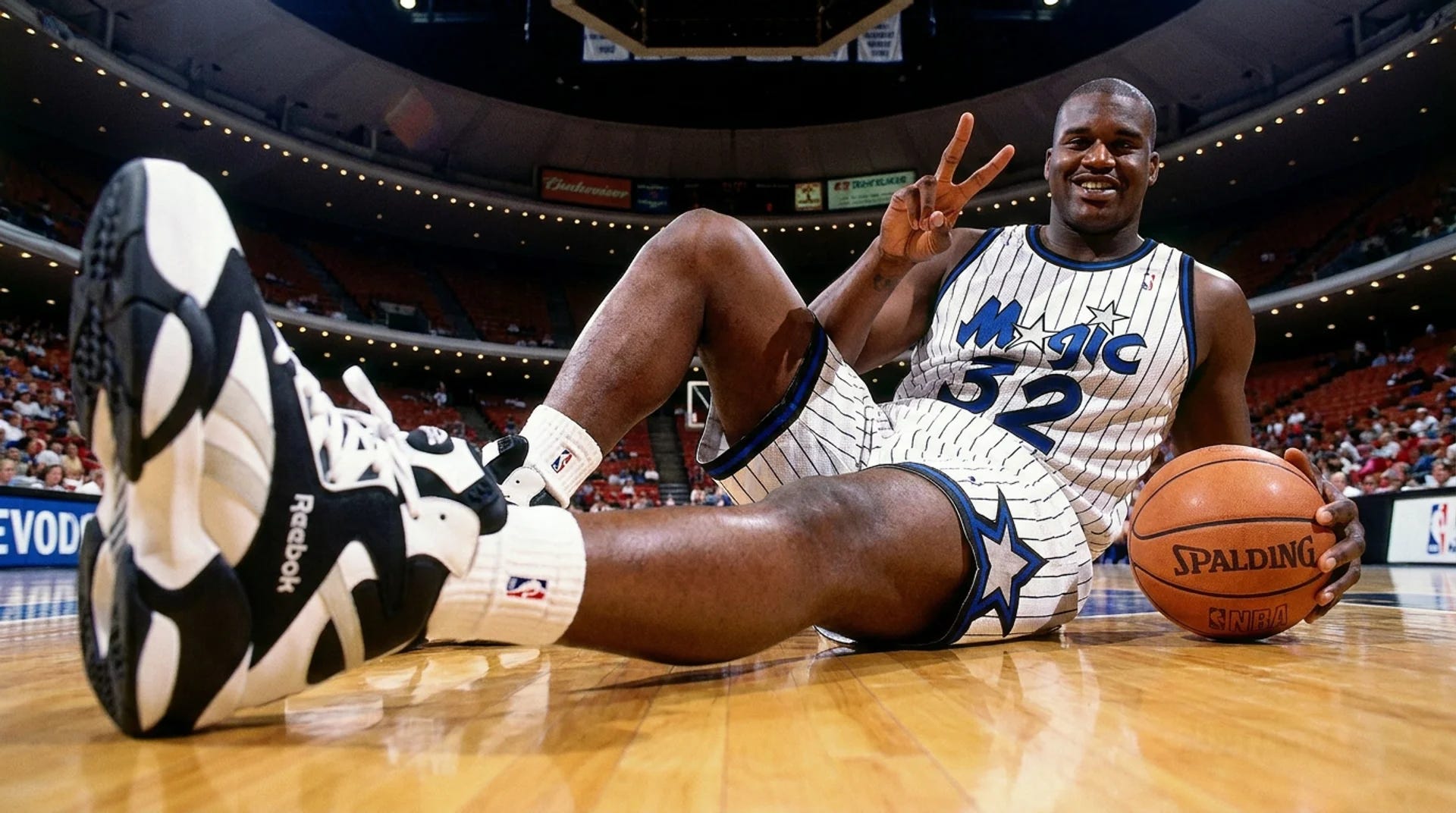
I was browsing Youtube sometime back when I came across this video below.
Basically it’s Shaq talking about how he never used to play very hard in practice. And it had given him a bit of a bad rap in the league back then.
For example, I think Kobe Bryant used to get on his back about it and it was one of the numerous causes of strife in their relationship when they played together on the Lakers.
But the reality is… I think Shaq was right.
And he was probably unwittingly listening to his body.
Athletes are typically respected for playing hard in practice
In sports coaches & athletes love to recite the mantra of “you play how you practice.”
And players that play really hard in practice are often highly respected for it.
For example Micheal Jordan.
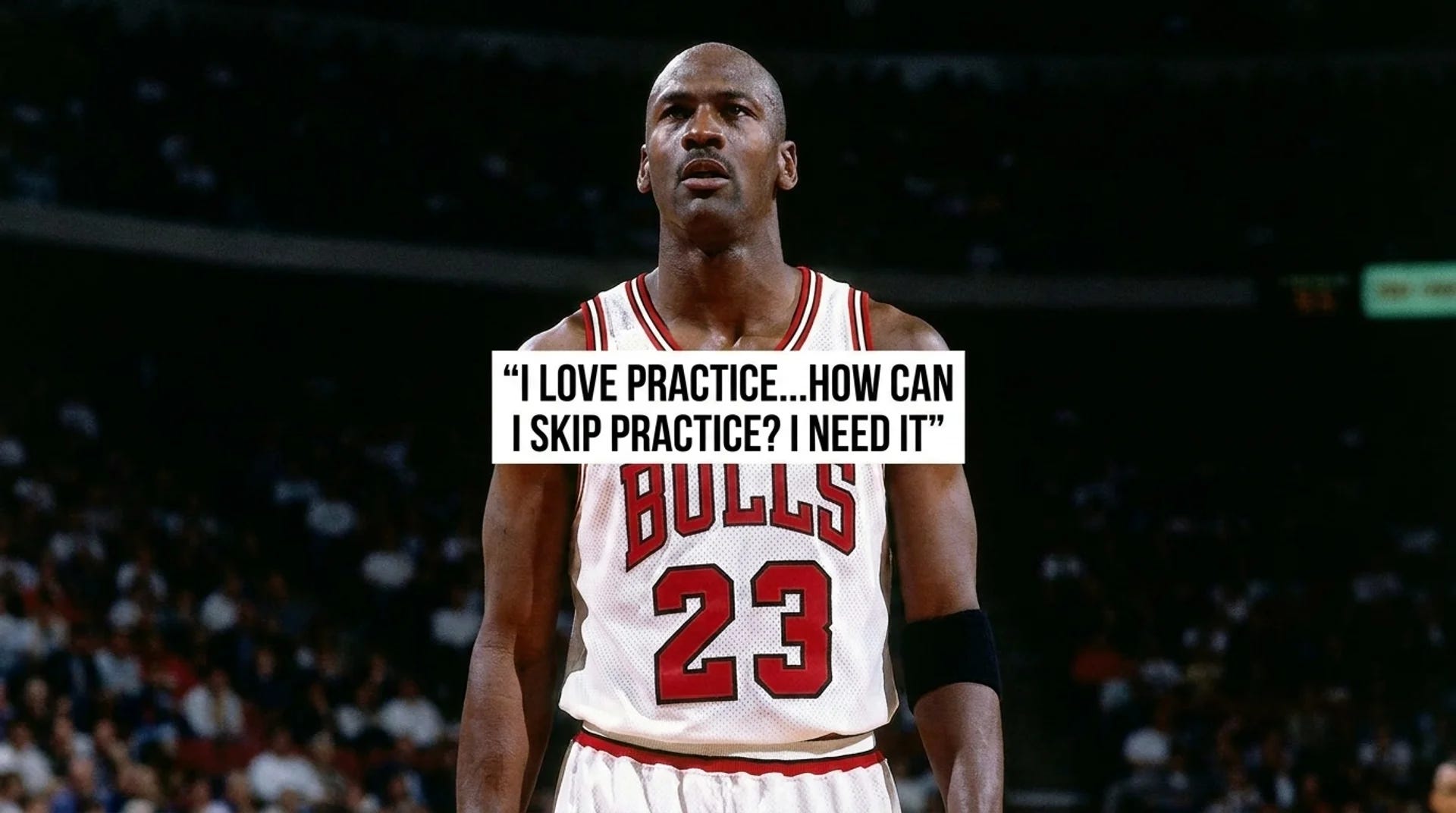
I loved Jordan growing up. And he was known for always working really hard in practice.
He played in practice like it was a real game. Day in and day out.
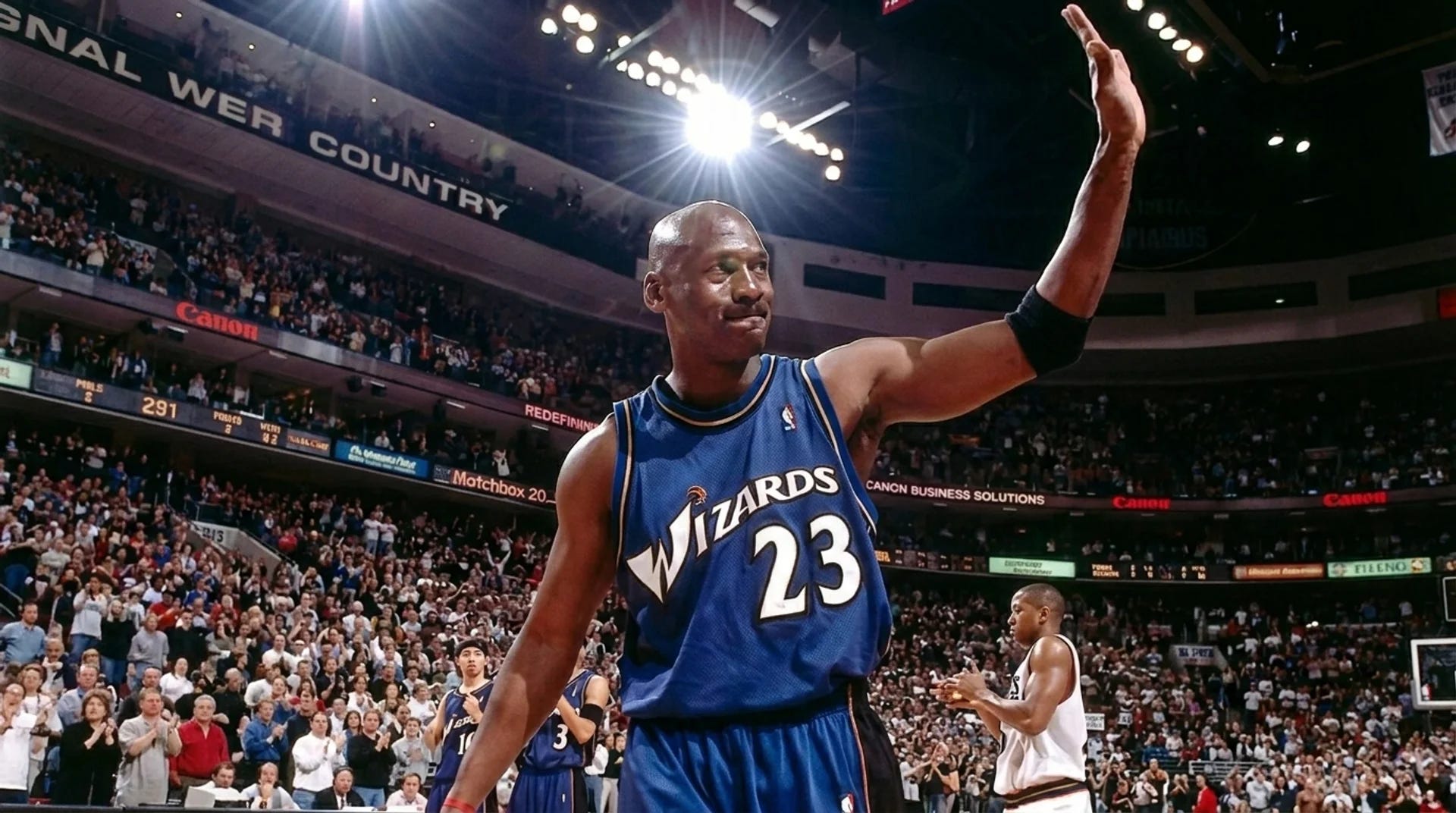
But when he was playing for the Washington Wizards in 2002-3 at age 39-40 he was a shadow of his former self. Despite the fact that in his early 20’s he probably had some of the best biomechanics of anyone that ever played in the league.
We all accept this as being the ‘norm’ in NBA basketball (ie. retiring before the age of 40), but with the understanding I now have of these biomechanics… I don’t think that needs to be the norm at all.
And rather I think at least part of the reason that Jordan’s biomechanics had declined so quickly at the end of his career was that he worked too hard in practice. Plain and simple.
Why is it not a good idea to play hard in practice?
When you have a locked bite (ie. upper & lower teeth come together in a fixed position) then the more you exercise, the faster you collapse. That is my view on how the relationship works.
And essentially it is because the exercise is shifting the skeleton a bit (for the better), but the locked bite is preventing that shift from happening.
So you end up wearing down your teeth faster because the upper and lower teeth are coming together in a way they are not positioned to and tooth wear is the end result..
And as you wear down your teeth faster, your skeleton collapses faster.
So you decline faster and end up having to retire faster.
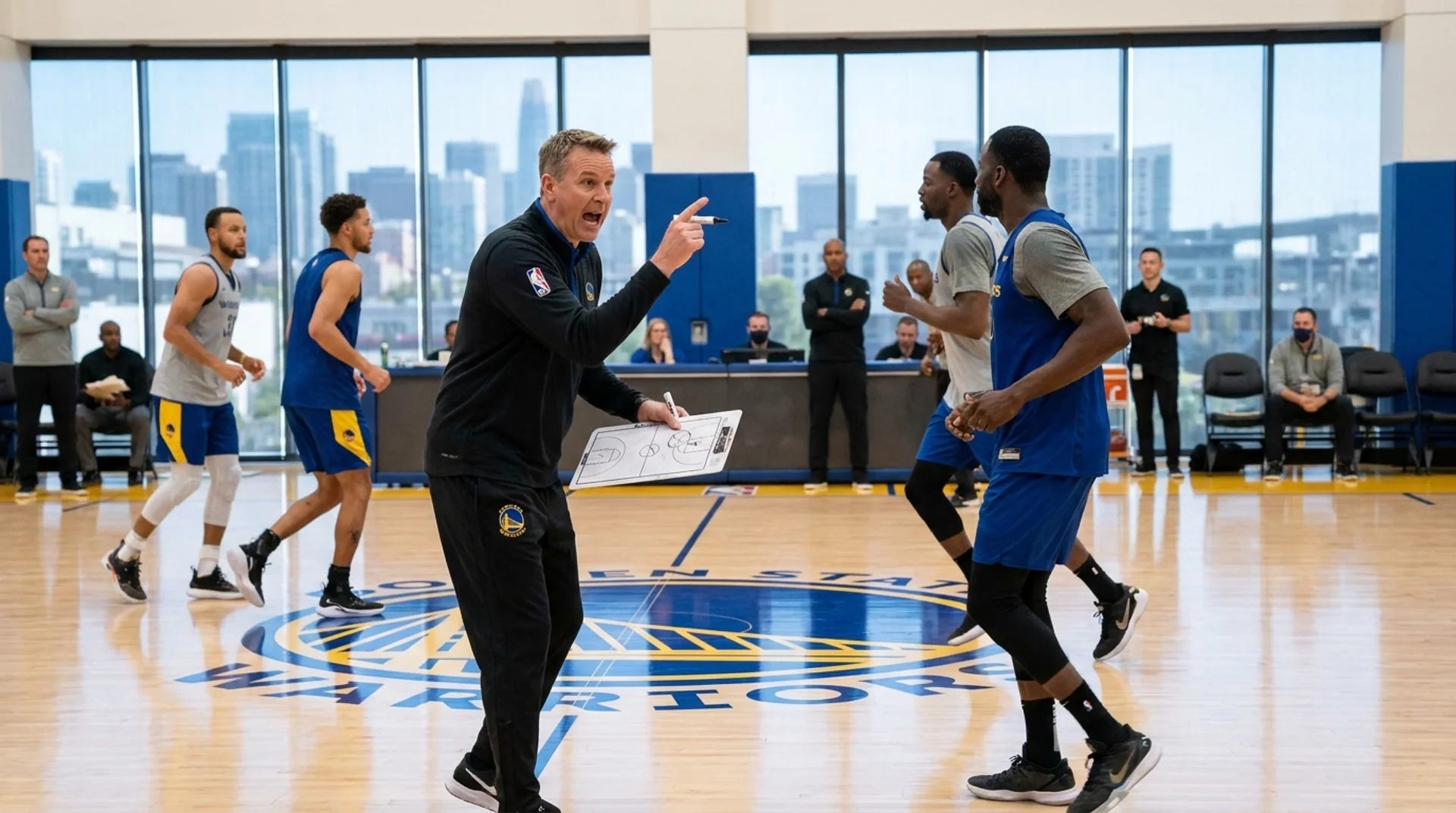
Smart coaches will run lazy practices
The smart play if you have a locked bite is being lazy at practice. Memorize the plays, but don’t exert your body too much doing them.
And I say that as someone that played on my high school basketball and lacrosse teams for numerous years, plus played baseball for my town for many years growing up.
I spent hundreds of hours in ‘practice’ and in hindsight I think it’s poor logic to practice hard.
The skeleton will only get worse, not better (unless of course the person is wearing a mouthguard to sleep).
Also, a compensating body will play less consistently. I’ll explain.
I don’t think practicing makes you much better
The other thing i’ve learned in recent years is that I don’t think practicing actually makes you better.
I’ll give you an example.
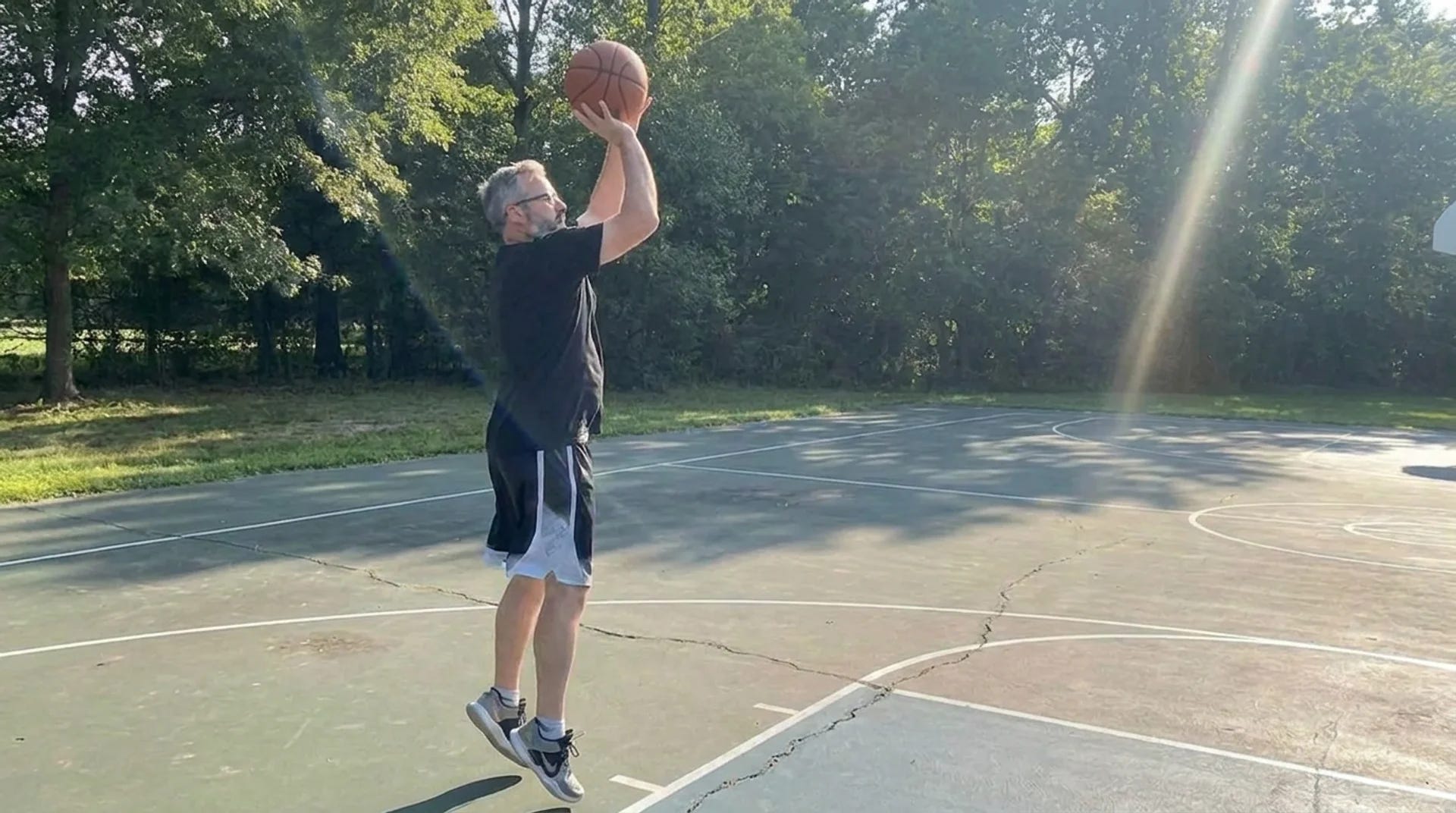
When I played on my JV and Varsity basketball team I remember how inconsistent my jumpshot felt depending on the day.
Some days my legs felt more sore or tight than others and I often adjusted how I shot the ball a bit to make up for it. Because my arms would need to make up for the power that was not coming from the legs.
I contrast that now with how i feel now when i’m shooting a ball with my son (we occasionally go to an indoor hoop and shoot around a bit as a way of spending quality time together).
My shot feels more consistent as my legs are never sore (in part because I don’t play that much, but also in part because i never get sore due to these biomechanics).
I intuitively feel that if I had this knowledge when playing basketball in high school I would have been a far better player. Because i was a shooter and consistency is everything.

Closing thoughts
My point today is to challenge some of the conventional thinking as you learn more about how biomechanics works.
Especially if you started the process and are feeling how it works on your own body.
If you’re like me… I think you will start to realize that some of the traditional notions of what is ‘good’ for you are flat out wrong.
Do you really need a lot of practice? Or is it better to just focus on improving your biomechanics and practice in a bit of a lazy way?
I’m not saying you need to take everything I say as fact. But I am saying…. think logically and challenge the notion yourself as you go through this biomechanical journey.
I used to be a professional dancer and I would say that one has to find a balance of practicing enough to get very proficient but not in a way that is driven and overworking yourself especially the older you get. Over working does not get better results. For me it was just keeping a steady pace of doing something most days, staying strong, flexible and in the "groove" if that makes sense, but not necessarily repetitive unless I was trying to master certain movements. But for sure the execution of what a 20 yr old could do vs a 40 or 50 yr old changed and I never could be as good as a 20 yr old at certain things. I was a professional performer from age 35- 50+ but this was not a hard driving profession like pro sports are. No need to overwork if you had a good foundation of skills from early on. Still the younger women had the most impressive skills & performances. I was never sore. I just enjoyed it and made a little money performing & teaching.
Do you think Greg Oden had extraction orthodontics?