

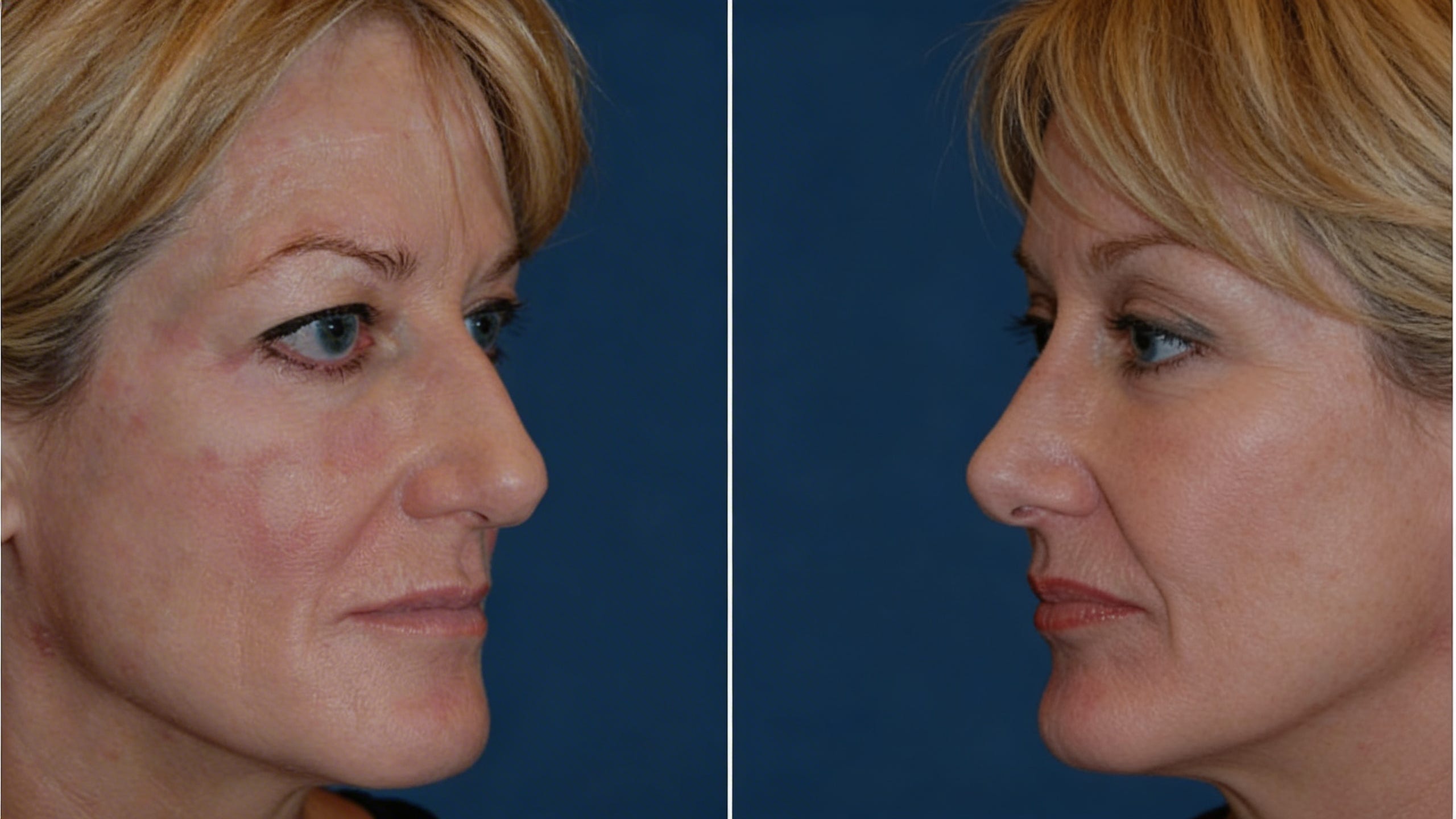
The cosmetic implant market is exploding.
What was once considered extreme is now becoming normalized, with jaw implants, cheek implants, chin implants, and under-eye implants rapidly becoming mainstream aesthetic procedures.
But beneath the surface of this trend lies a fundamental misunderstanding of how facial structure actually works.
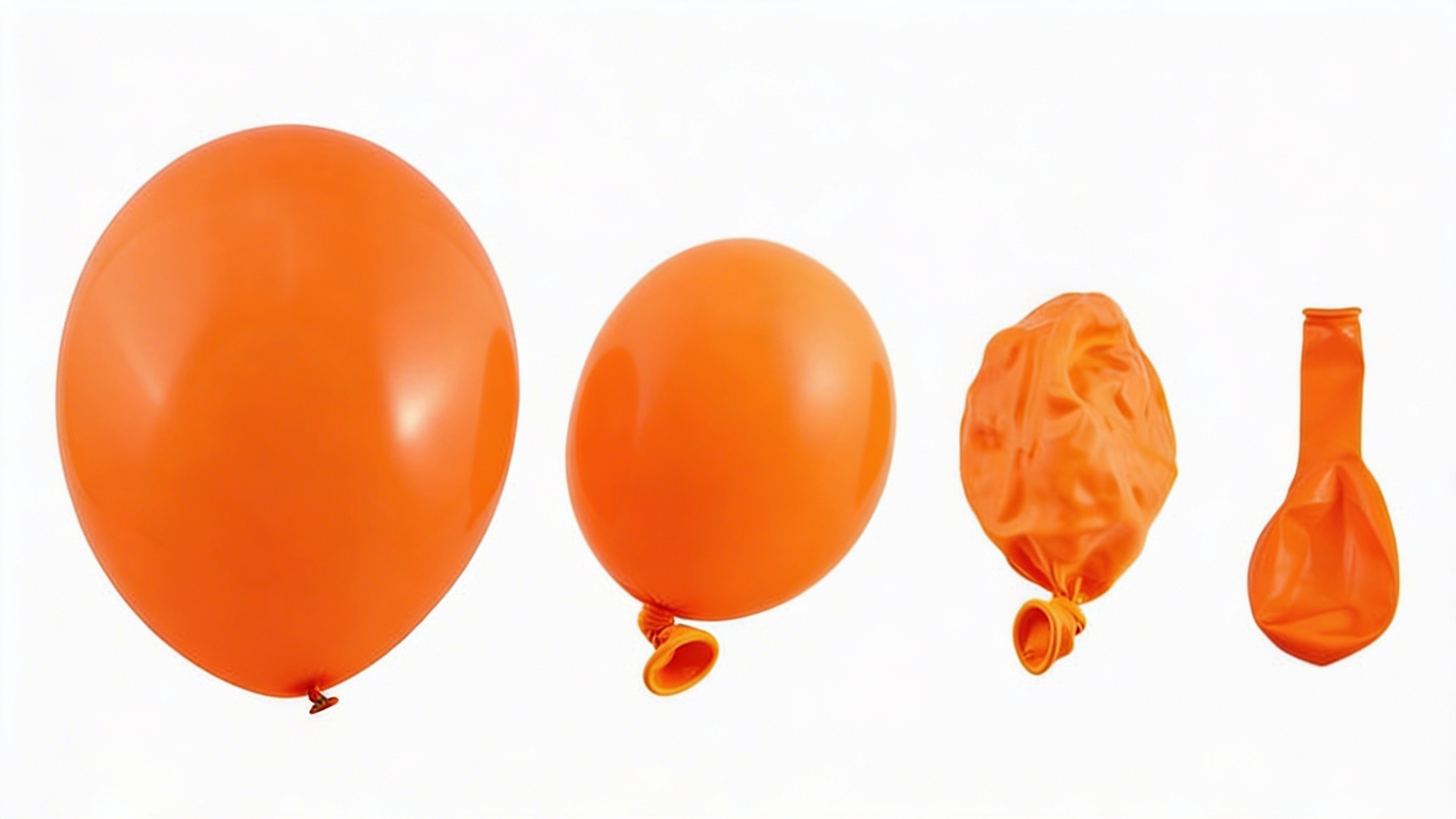
You see.. in my view the skull works like an inflatable/deflatable balloon.
And unfortunately those physics just do not mesh well with this idea of implants.
Implants are a Massive Trend
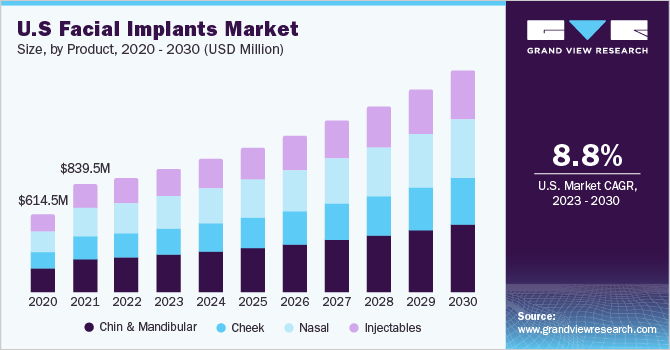
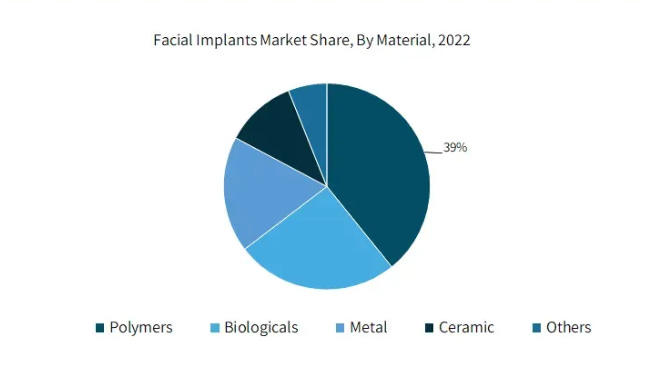
The facial implant market has experienced explosive growth over the past five years.
According to recent data, over 200,000 cosmetic facial implant procedures are performed annually in the United States alone, with growth rates estimated between 8 - 15% year-over-year.
This explosive expansion isn’t just happening in back-alley clinics either. Some of the world’s most renowned cosmetic surgeons and PhD-holding maxillofacial specialists are now performing these procedures at premium prices reaching $15,000 to $40,000 per implant.
Celebrity adoption has turbocharged this trend into cultural phenomenon status. Various Hollywood actors, athletes, and influencers have openly discussed getting cheek, chin, and jaw implants as their solution to facial aesthetics.
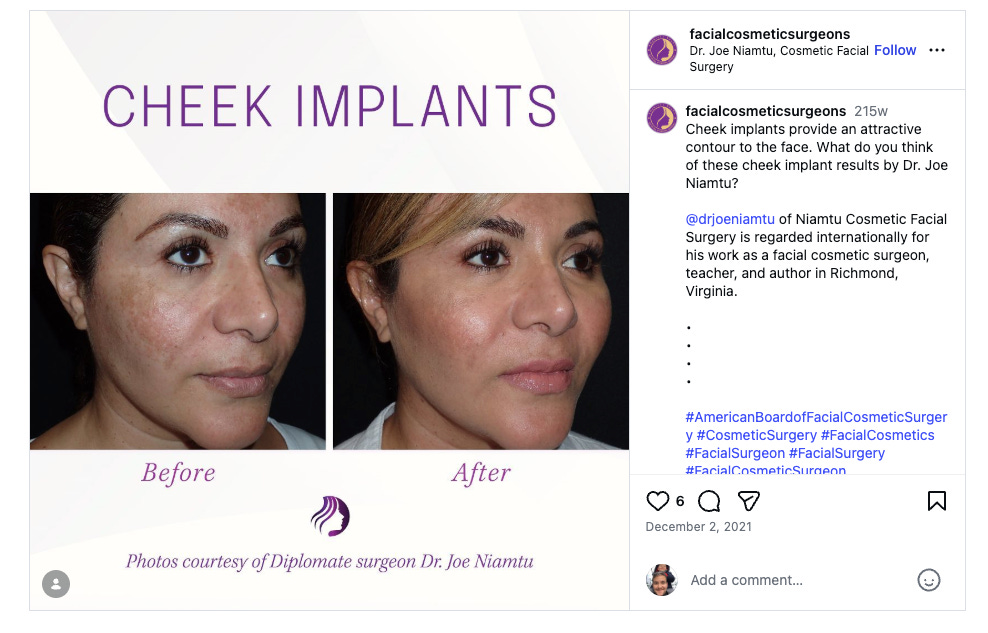
The social media age has weaponized before-and-after photos, with cosmetic surgeons building entire Instagram followings around implant transformations.
Medical schools and residency programs have responded to market demand by increasing their training in implant procedures.
Top institutions now offer specialized fellowships in implant dentistry and maxillofacial reconstruction.
Board-certified surgeons with international credentials promote these procedures at high-end clinics across major metropolitan areas.
The procedural infrastructure has become so established that what was considered experimental fifteen years ago is now taught in dental school curricula as standard protocol.
What Are the Use Cases for These Implants?
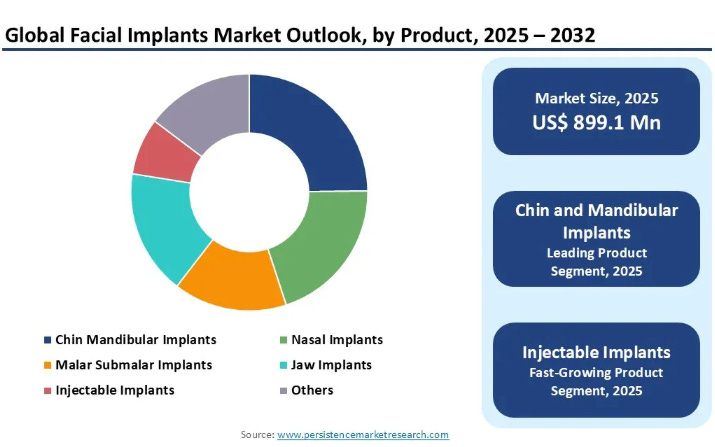
Implant use cases span a growing range of facial aesthetics.
Under-eye implants aim to address hollowness and supposed “negative canthal tilt.”
Cheek implants promise enhanced prominence and definition.
Chin implants target what practitioners call “weak” chins.
Jaw implants attempt to create lateral width and angular definition.
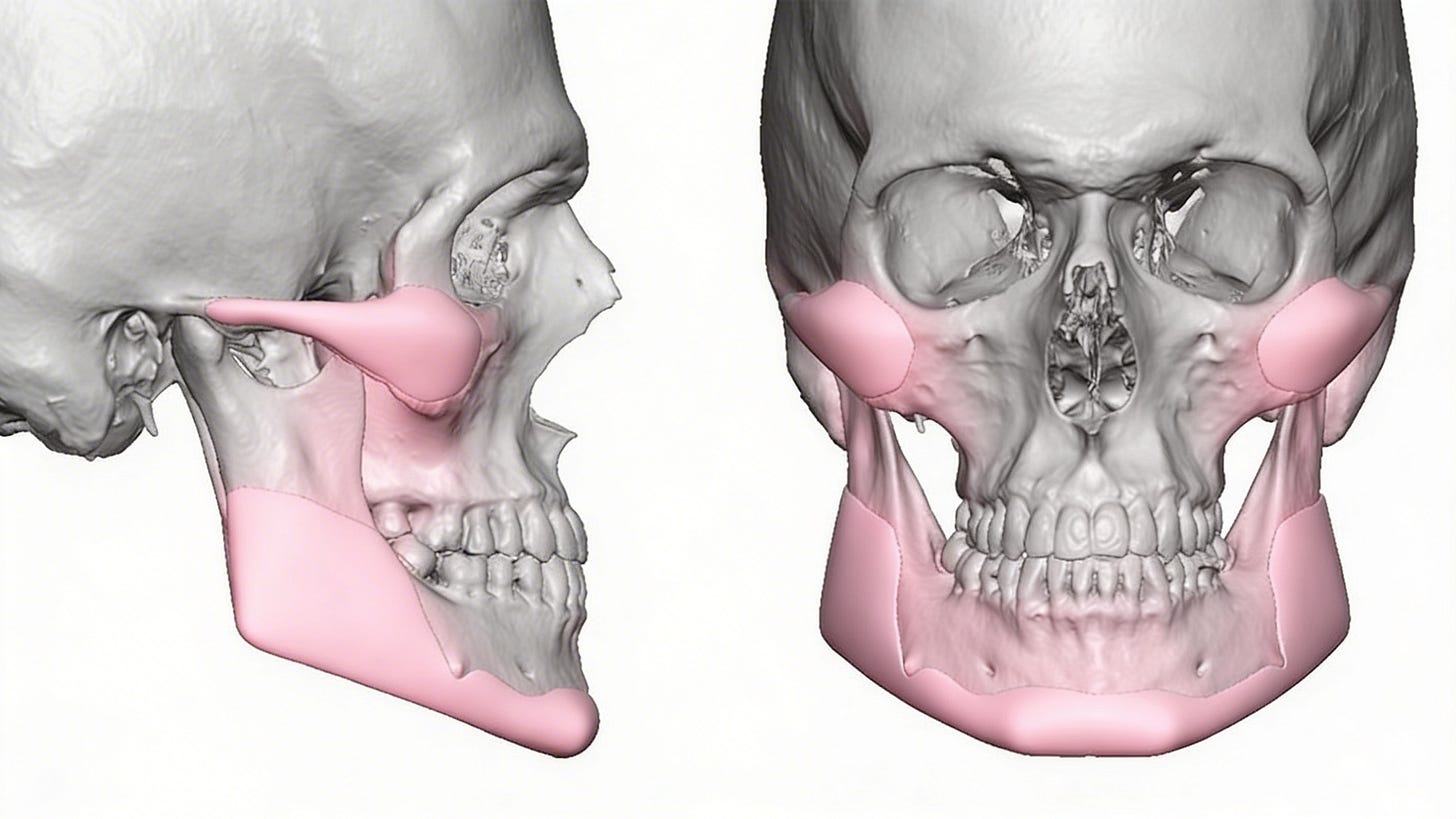
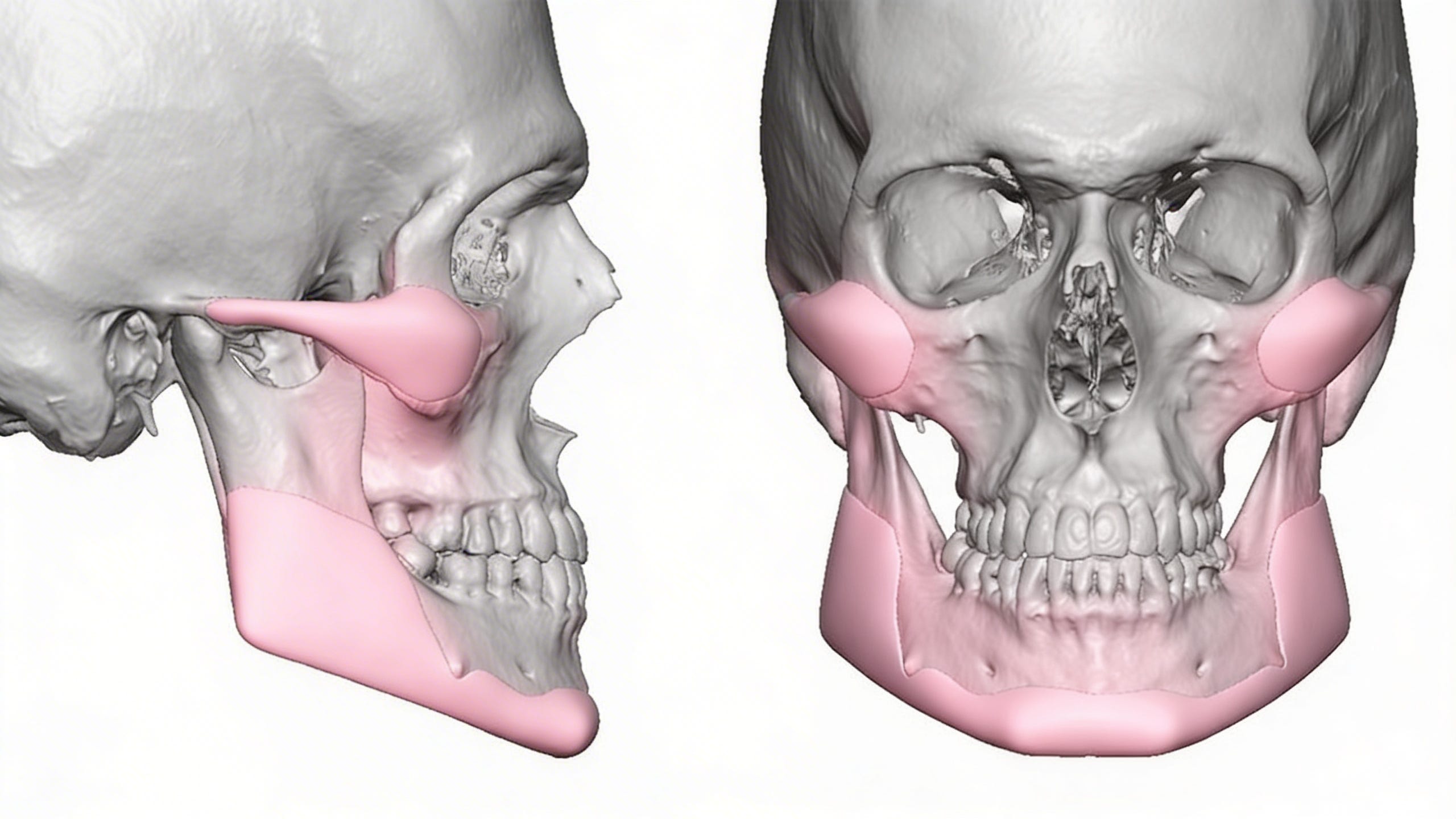
The marketing narrative is seductive: implants offer a shortcut to “forward growth,” to that coveted horizontal facial profile that aesthetic communities obsess over.
The problem is that this narrative is fundamentally flawed.
How Are These Implants Done?
The procedure itself is relatively straightforward from a mechanical standpoint.
Surgeons place incisions, create pockets in soft tissue, insert synthetic materials (usually silicone, gore-tex, or titanium), and suture everything back. The process takes one to three hours depending on complexity.
Maintenance is supposed to be minimal—implants are marketed as permanent solutions.
But reality tells a different story. Many patients report ongoing sensation issues, chronic inflammation, and the need for revision surgeries.
Costs vary wildly: $5,000 to $15,000 for straightforward cheek implants, but $15,000 to $40,000 for comprehensive jaw reconstruction.
Rarely discussed is the revision rate—industry insiders acknowledge that at least 20% of implant patients require corrective surgery within five years. And I have a feeling most of the remaining folks had substantial change, but just didn’t get the revision.
The problem with implants is physics
You see all of these implants would generally be fine if the skull was a relatively static thing.
The problem is that it is not.
The skull is always changing and in my view it has the physics of a balloon as I describe in this article.

As humans age they are typically biomechanically collapsing, which means that their skull is gonna deflate.
As it deflates the ~22 cranial bones are going to move around and derange as the soft tissue balloon covering them gets smaller.
And that is going to push these implants out of position and make the person’s face look weird
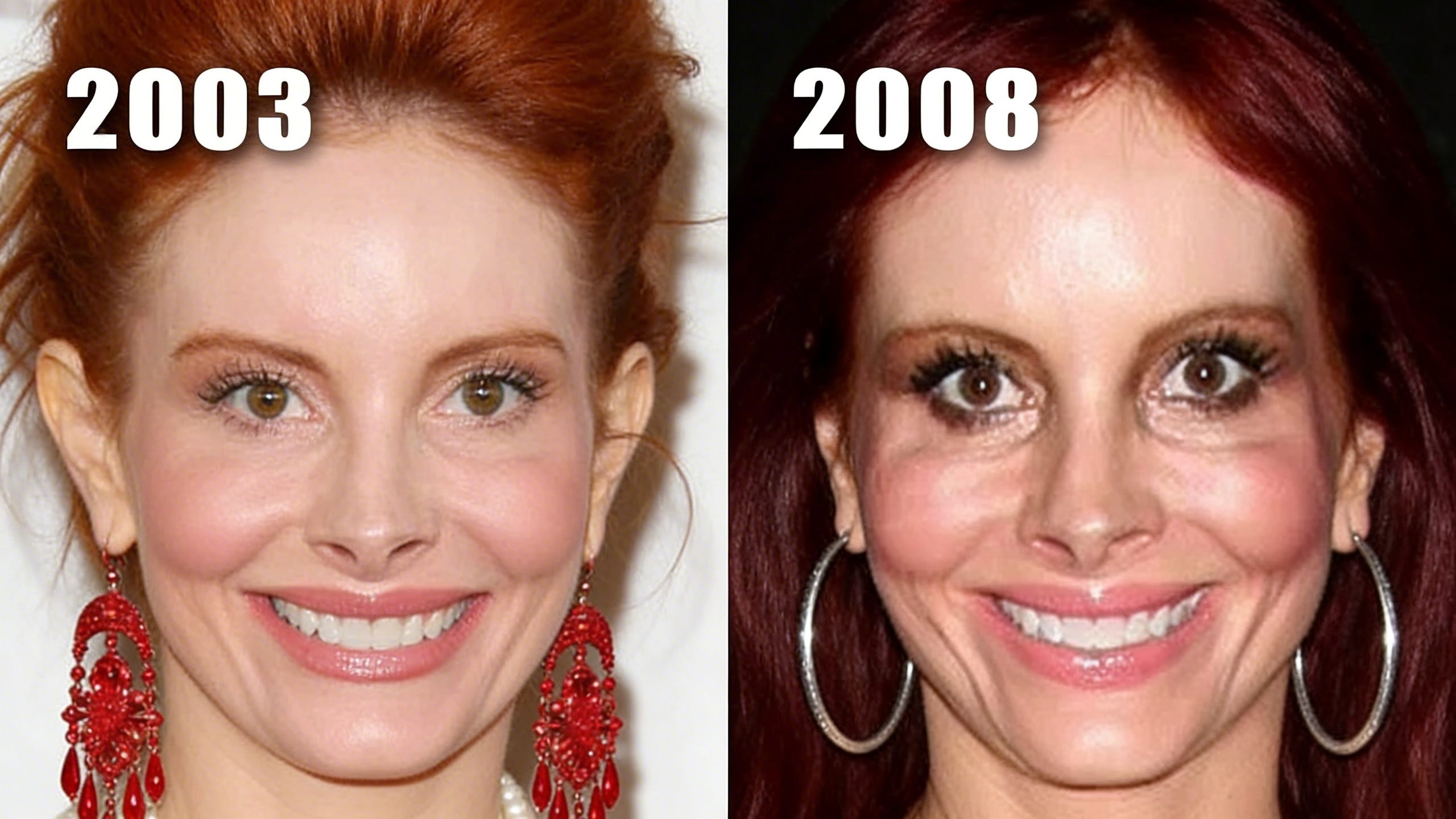
For example this pic above is one I saw online that i think is a classic of how a lot of these implants will evolve as the person ages.
Because the skull will deflate and it will just get more and more obvious that you have this artificial thing in your face.

There is only one way to fix the skull
If you take my assumption that the skull has the physics of a balloon to be correct then you should be concluding the same thing I did.
Which is that the only way to improve how it looks in a stable way is to inflate the damn thing.
Because if not then as it deflates… whatever artificial intervention you did (eg. implants, fillers, surgery, etc) will start to look weird.
For the same reasons that you cannot fix a slightly deflated balloon with mechanical interventions. You need to inflate it.
And the way to inflate it is the biomechanics I talk about.

Closing thoughts
There are many thousands of people who are doing these implants right now.
And I almost think it’s like God’s evil trap.
The people that have the most money and are the most superficially-driven will be the ones that do these implants.
In a very similar way to how it used to be only the wealthier and more superficially-driven people that did orthodontics (till the cost came down and it became easily accessible to the masses).
And in both instances (implants + orthodontics) I am very sure that most folks will one day be sorry they made that decision.
Because you don’t beat physics. Regardless of who your surgeon is ;)
In chinese culture, there is this saying "相由心生" which translates to 'appearances are born from the heart'. the basic idea is that your face/ appearance is a translation of your inner state of being
ever since i made the link as to why body tension/ trauma affects our face i've been observing and experiencing myself as well as those around me and have become a firm believer of the adage. I myself can map that the right side of my face/ eye used to be more scrunched/ sunken, and as i released tension on the right side of my occiput/ neck, it has become more relaxed, open, prominent, as has my mental state. and i've observed that people who are kind almost always have good looking faces - of course, sometimes you can see people who are kind but also in pain - the two can, and perhaps often, go together. and people who look 'tough', 'hard', are also the same way in their thought and behavior.
what happens when implants are implemented? just as orthodontics can be done in a 'good' way, i think there can be both good and bad outcomes. but the underlying reason why one goes for facial implants is often tied to compensation for an inner lack - and in that case, that inner lack will somehow translate into the quality-configuration-choice of implants. as is the case with plastic surgery, there are some celebrities who are able to do it 'properly' - something that suits them, ages well, generally enhances their appearance without being too 'obvious'. but there are many who can't control themselves and keep going for more and more - their face reflecting their state of inner confusion and artificiality.
Hey Ken, how about sharing your results and motivating us even more?